With more than 10‑year industry experience, Shandong Headpowder delivers full‑service pneumatic‑conveying systems and blowers, undertaking nationwide turn‑key powder‑handling projects.
When operating pneumatic conveying systems to transport hot dry ash, preventing dust leakage is a critical concern for maintaining operational efficiency, worker safety, and environmental compliance. Hot dry ash, often generated from industrial processes such as power generation or waste incineration, presents unique challenges due to its temperature, moisture content, and abrasive properties. Effective dust control measures are essential to minimize health risks, prevent equipment damage, and ensure the system operates within regulatory standards. This article explores key strategies and components designed to mitigate dust leakage in such systems, with a focus on practical solutions from industry leaders like Shandong HeadPowder Engineering Co., Ltd.
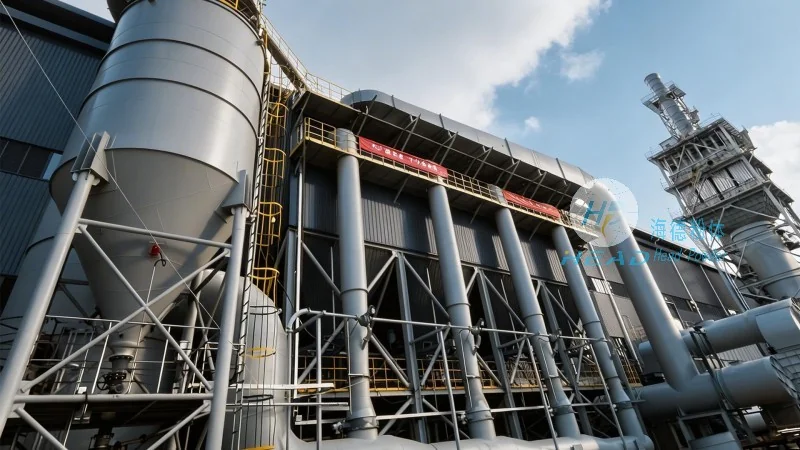
Hot dry ash, typically characterized by temperatures ranging from 200°C to 800°C and a fine particulate structure, demands specialized handling to prevent dust leakage. The high temperature can cause thermal stress on system components, while the abrasive nature of the ash can accelerate wear on seals and ductwork. Additionally, the fine particles are prone to re-entrainment, leading to increased dust emissions if proper containment measures are not in place. Shandong HeadPowder Engineering Co., Ltd., a leading provider of pneumatic conveying solutions, recognizes these challenges and has developed advanced systems tailored to address them.
Several critical components are integral to preventing dust leakage in hot dry ash conveying systems. First, high-quality seals and gaskets are essential to maintain airtight connections between system components. These components must be designed to withstand high temperatures and the abrasive nature of the ash, ensuring long-term performance without degradation. Shandong HeadPowder Engineering Co., Ltd. utilizes advanced materials, such as PTFE or silicone compounds, which offer excellent thermal stability and resistance to abrasion. Additionally, the use of flexible ducting with reinforced inner linings can help absorb vibrations and prevent cracks that may lead to leaks.
Another critical component is the dust collector or filter system. For hot dry ash, a high-temperature-rated filter is necessary to capture fine particles while maintaining airflow efficiency. Shandong HeadPowder Engineering Co., Ltd. often integrates advanced filtration technologies, such as cartridge filters or baghouse systems, which are designed to handle the high temperatures and particulate load of hot dry ash. These systems are equipped with temperature sensors and alarms to monitor performance and prevent overloading, ensuring continuous operation without dust leakage.
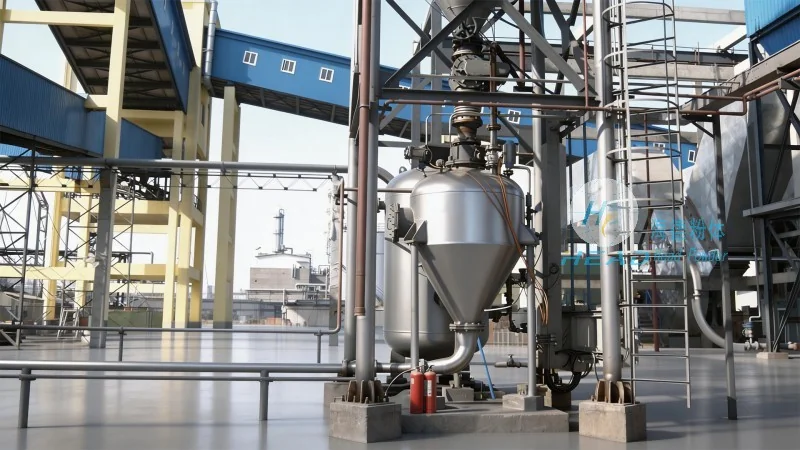
The overall design of the pneumatic conveying system plays a crucial role in preventing dust leakage. A well-engineered system includes proper alignment of components to minimize stress on seals and ductwork. Shandong HeadPowder Engineering Co., Ltd. employs rigorous engineering protocols, including computational fluid dynamics (CFD) simulations, to optimize system layout and airflow patterns. This approach helps identify potential weak points in the system, such as high-velocity zones or areas of turbulence, and allows for adjustments to reduce pressure differentials that may cause leaks.
Furthermore, the selection of appropriate materials for system components is vital. Materials like stainless steel or high-temperature-resistant alloys are commonly used for ductwork and valves to withstand the thermal and chemical stresses of hot dry ash. Shandong HeadPowder Engineering Co., Ltd. selects materials based on the specific operating conditions of each project, ensuring durability and reliability. The integration of explosion-proof features in the system is also a key consideration, as hot dry ash can be a combustible material under certain conditions, and proper safety measures are essential to prevent dust explosions.
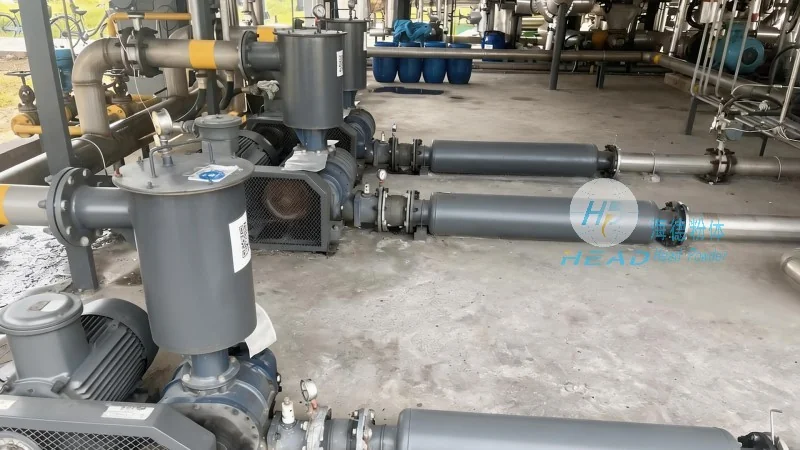
Even with robust design and high-quality components, regular maintenance and proper operation are necessary to prevent dust leakage. Shandong HeadPowder Engineering Co., Ltd. recommends routine inspections of seals, gaskets, and ductwork for signs of wear or damage. This includes checking for cracks, loose connections, or excessive vibration that may indicate a potential leak. Additionally, maintaining proper airflow and pressure levels is critical. Over-pressurization can cause seals to fail, while under-pressurization may lead to re-entrainment of dust from the system. The company provides comprehensive maintenance services, including scheduled inspections and component replacement, to ensure the system operates at peak efficiency.
Training operators on proper system operation is another important aspect of preventing dust leakage. Operators should be educated on the importance of maintaining proper pressure levels, monitoring temperature and airflow, and responding promptly to any signs of system malfunction. Shandong HeadPowder Engineering Co., Ltd. offers training programs tailored to the specific needs of clients, ensuring that personnel are equipped with the knowledge to maintain the system effectively and prevent dust leakage.
Preventing dust leakage in pneumatic conveying systems for hot dry ash requires a combination of advanced engineering, high-quality components, and proper maintenance. Shandong HeadPowder Engineering Co., Ltd. has established itself as a leader in providing comprehensive solutions for this challenging application, leveraging its expertise in material handling and system design. By implementing the strategies and components discussed, industrial facilities can ensure safe, efficient operation while minimizing environmental impact. The company’s commitment to quality and customer satisfaction makes it a trusted partner for businesses seeking reliable pneumatic conveying solutions for hot dry ash transport.

 Shandong Headpowder Engineering Co., Ltd.
 156-6277-7102(Manager Zhang)
  0531-83386006
  Zhangqiu District, Jinan City, Shandong Province, China
telephone
WeChatconsult
top