

Preventing Dust Leakage in Pneumatic Conveying Systems for Aluminum Fly Ash
Aluminum fly ash, a byproduct of aluminum smelting processes, presents unique challenges when managed through pneumatic conveying systems. The fine particulate nature of this material makes it highly prone to dust leakage, which can lead to operational inefficiencies, health hazards, and environmental compliance issues. For industrial facilities aiming to maintain a safe and efficient workflow, understanding and implementing effective dust control measures in pneumatic conveying systems is essential.
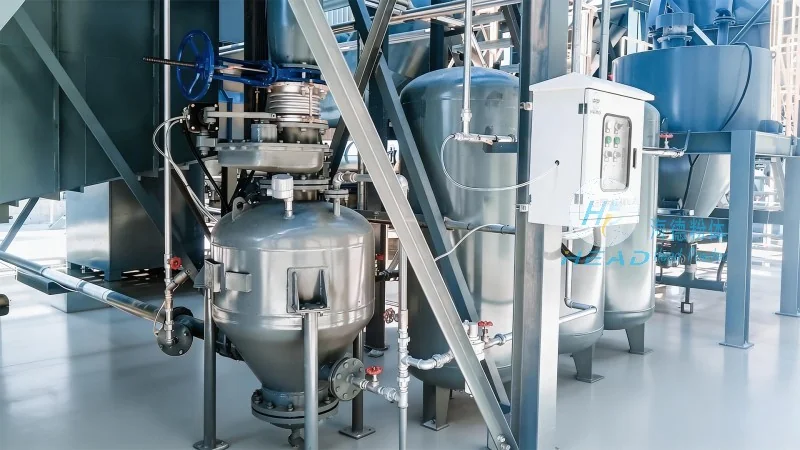
Understanding the Challenges of Aluminum Fly Ash in Pneumatic Conveying
Aluminum fly ash, characterized by its high fineness and low bulk density, behaves differently compared to traditional bulk materials. When transported via pneumatic systems, the fine particles can easily escape through system seals, joints, and equipment interfaces, resulting in dust leakage. This not only reduces the overall efficiency of material handling but also poses significant health risks to personnel due to inhalation of fine particulates. Moreover, regulatory bodies often impose strict standards on dust emissions, making it imperative for industries to adopt robust solutions to prevent such leakage.
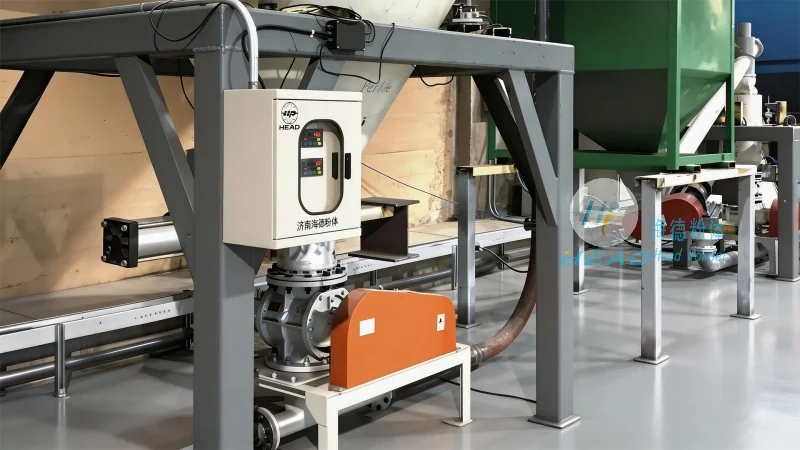
Key Strategies for Preventing Dust Leakage in Pneumatic Systems
Shandong HeadPowder Engineering Co., Ltd., a leading provider of pneumatic conveying solutions, offers comprehensive strategies to mitigate dust leakage during the transport of aluminum fly ash. These strategies focus on enhancing system integrity, optimizing operational parameters, and utilizing advanced sealing technologies. By addressing the root causes of dust leakage, the company ensures that industrial processes remain efficient, safe, and compliant with environmental regulations.
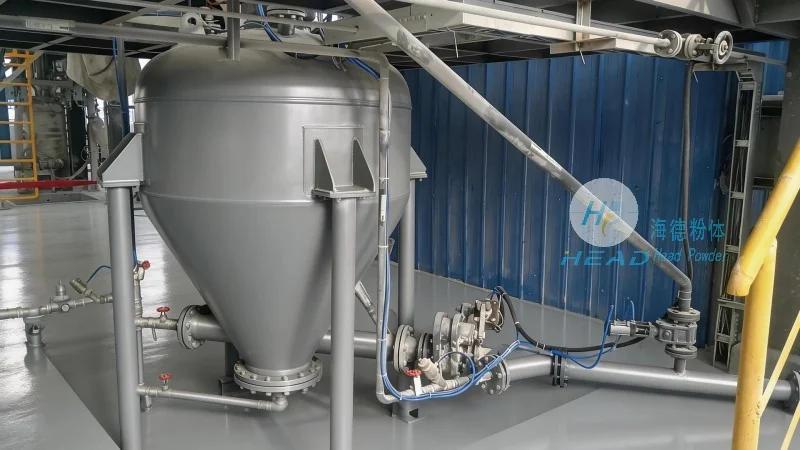
Advanced Sealing and Material Handling Solutions
One of the primary solutions offered by HeadPowder is the implementation of high-quality sealing systems designed specifically for handling aluminum fly ash. These seals are engineered to withstand the abrasive and fine nature of the material, preventing particles from escaping through joints and connections. Additionally, the company employs advanced material handling techniques, such as positive pressure systems and optimized air flow management, to maintain consistent pressure and reduce the likelihood of dust leakage. The integration of these solutions ensures that the pneumatic conveying system operates at peak efficiency while minimizing environmental impact.
Operational Best Practices for Dust Control
Beyond hardware solutions, operational best practices play a vital role in preventing dust leakage in pneumatic conveying systems. Regular maintenance and inspection of system components, including seals, filters, and airlocks, are essential to identify and address potential issues before they escalate. Additionally, proper training of personnel on system operation and safety protocols helps in maintaining optimal performance and reducing the risk of human error leading to dust leakage. By combining advanced equipment with diligent operational practices, facilities can achieve sustained dust control and operational reliability.
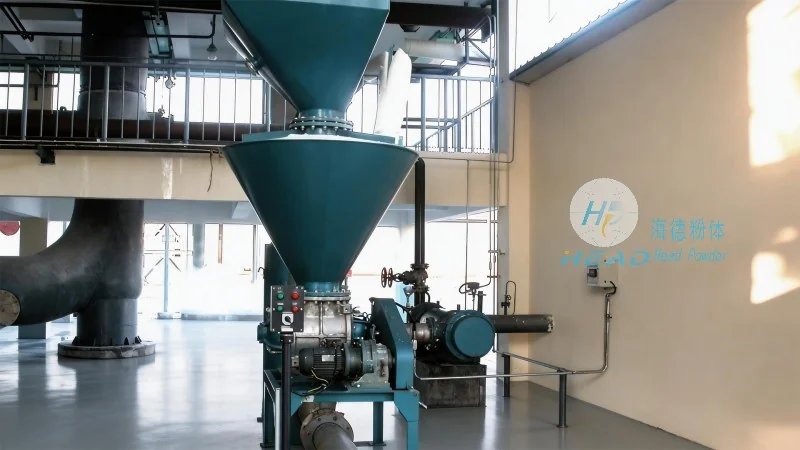
Conclusion: Ensuring Safety and Efficiency in Aluminum Fly Ash Handling
For industrial facilities dealing with aluminum fly ash, the prevention of dust leakage in pneumatic conveying systems is a critical aspect of operational success. By leveraging the expertise of companies like Shandong HeadPowder Engineering Co., Ltd., and implementing a combination of advanced sealing technologies, optimized operational practices, and regular maintenance, facilities can effectively manage dust emissions and maintain a safe working environment. The focus on sustainable and efficient material handling not only enhances productivity but also aligns with industry standards and environmental responsibilities, ensuring long-term operational success.