With more than 10‑year industry experience, Shandong Headpowder delivers full‑service pneumatic‑conveying systems and blowers, undertaking nationwide turn‑key powder‑handling projects.
For industries dealing with the handling and transportation of fine powders, such as pepper powder, the selection of an efficient and reliable conveying system is critical to operational efficiency and product quality. Pneumatic conveying technology has emerged as a preferred solution due to its ability to handle delicate materials while minimizing product degradation and contamination risks. This article explores the application and optimization of pneumatic conveying systems specifically tailored for pepper powder, highlighting the technical considerations and benefits that make it an ideal choice for modern processing facilities.
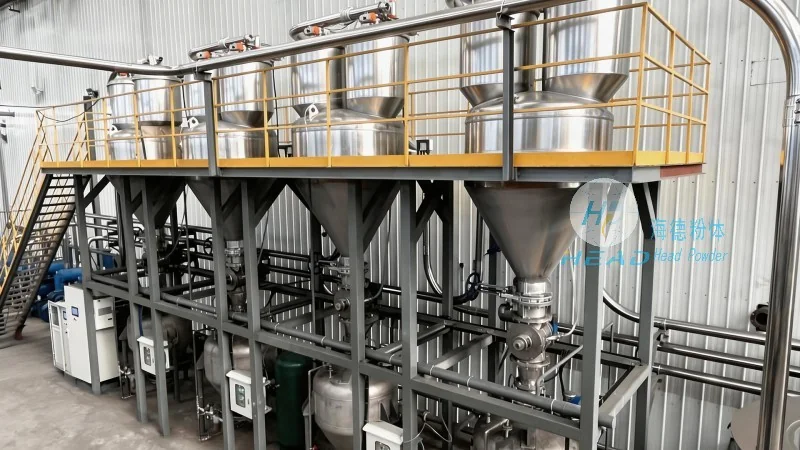
Pneumatic conveying systems utilize air or gas to transport bulk materials through a pipeline network. In the context of pepper powder, which is a fine, dry powder with potential for static charge accumulation and sensitivity to moisture, the design of the conveying system must address these challenges to ensure consistent performance. The primary types of pneumatic conveying systems include dilute phase and dense phase, each offering distinct advantages depending on the material characteristics and distance of transport.
Dilute phase systems operate at higher air velocities, typically moving material in a dispersed state, making them suitable for short to medium distances and low to medium material loads. Dense phase systems, on the other hand, use lower air velocities and higher material concentrations, providing a more controlled and gentle transport that reduces product breakage and degradation. For pepper powder, which is prone to agglomeration and requires minimal mechanical stress, a dense phase or hybrid system is often preferred to maintain the integrity of the product.
The success of a pneumatic conveying system for pepper powder hinges on several key design elements. First, the selection of appropriate air flow rates and pressure levels is crucial to prevent material blockages and ensure consistent throughput. HeadPowder, a leading engineering firm specializing in material handling solutions, emphasizes the importance of calculating the required air volume based on the material's bulk density, particle size distribution, and moisture content. This calculation helps in determining the optimal pipeline diameter, air velocity, and pressure drop to maintain a stable conveying operation.
Second, the choice of pipeline materials and internal surface finishes plays a significant role in preventing product contamination and corrosion. Pepper powder, being a food-grade material, requires systems constructed from stainless steel or other corrosion-resistant materials that meet food safety standards. The internal surfaces are often polished to reduce friction and minimize the risk of material buildup, which can lead to blockages and system inefficiencies. Additionally, the incorporation of static elimination devices, such as ionizers or grounding straps, is essential to prevent static charge accumulation, which can cause material segregation and equipment malfunctions.
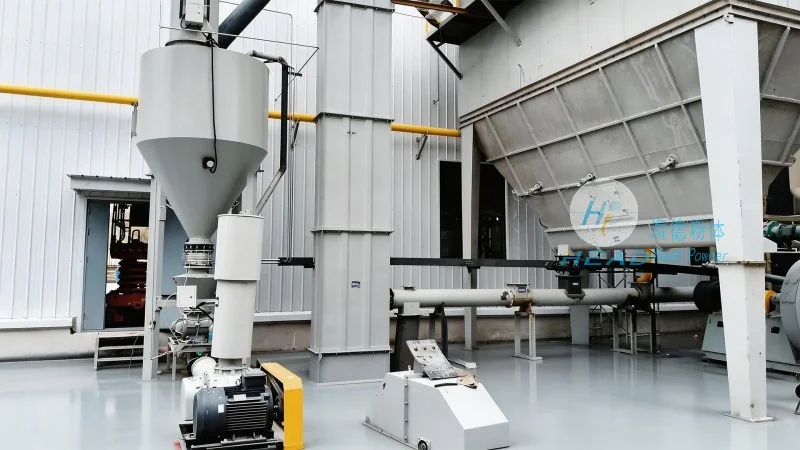
Third, the system's layout and integration with existing processing equipment are critical for seamless operation. The design must consider the points of material intake and discharge, ensuring that the conveying system can be easily integrated with storage silos, processing lines, and packaging equipment. HeadPowder's expertise in custom engineering allows for the development of tailored solutions that align with the client's specific operational requirements, ensuring that the system operates in harmony with the overall production workflow.
Optimization of pneumatic conveying systems for pepper powder involves continuous monitoring and adjustment to maintain peak performance. Regular maintenance of the system components, including air compressors, filters, and pipeline seals, is essential to prevent performance degradation and ensure consistent air quality. HeadPowder provides comprehensive maintenance services to clients, including routine inspections and component replacements, to minimize downtime and maximize system efficiency.
Furthermore, the use of advanced control systems and sensors can enhance the system's performance by providing real-time data on air pressure, flow rate, and material level. These systems allow operators to make immediate adjustments to maintain optimal conveying conditions, reducing the risk of material blockages and product loss. HeadPowder integrates modern control technologies into its conveying solutions, enabling clients to achieve higher levels of automation and operational control.
Another optimization strategy involves the implementation of energy-efficient designs. By selecting appropriate air flow rates and minimizing pressure losses through well-designed pipelines and fittings, the system can operate with reduced energy consumption. This not only lowers operational costs but also aligns with sustainability goals, making the system more environmentally friendly. HeadPowder's focus on energy-efficient solutions ensures that clients can achieve cost savings while maintaining high performance standards.
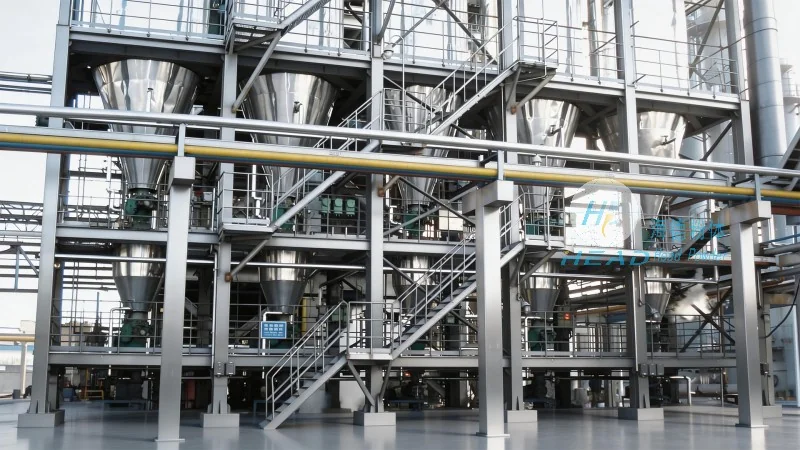
The adoption of pneumatic conveying technology for pepper powder offers numerous benefits that enhance both operational efficiency and product quality. One of the primary advantages is the ability to handle delicate materials without causing breakage or degradation. Pepper powder is a valuable product, and maintaining its color, flavor, and texture is essential for market value. Pneumatic conveying systems, especially dense phase designs, provide a gentle transport that preserves these characteristics, resulting in higher quality end products.
Another significant benefit is the reduction in labor costs and operational complexity. Unlike traditional mechanical conveying systems, which require frequent maintenance and material handling, pneumatic systems offer a more automated and hands-off approach. The integration of automated controls and sensors further minimizes the need for manual intervention, reducing labor requirements and associated costs. HeadPowder's systems are designed to be user-friendly, with intuitive interfaces that allow operators to monitor and control the system with minimal training.
Furthermore, pneumatic conveying systems offer improved safety and hygiene standards. The enclosed pipeline design prevents dust emissions and contamination, ensuring a clean and safe working environment. This is particularly important in food processing facilities, where compliance with food safety regulations is paramount. HeadPowder's systems are constructed to meet stringent hygiene standards, including easy cleaning and sanitization features, which help clients maintain compliance and avoid costly regulatory issues.
In conclusion, the application and optimization of pneumatic conveying technology for pepper powder represent a significant advancement in material handling solutions. By addressing the unique challenges of pepper powder, such as its fine particle size and sensitivity to handling, these systems provide a reliable and efficient means of transport. HeadPowder Engineering Co., Ltd., with its expertise in custom engineering and material handling solutions, offers tailored pneumatic conveying systems that meet the specific needs of pepper processing facilities. By implementing these optimized systems, clients can enhance operational efficiency, improve product quality, and achieve cost savings, making pneumatic conveying the preferred choice for modern pepper powder handling.

 Shandong Headpowder Engineering Co., Ltd.
 156-6277-7102(Manager Zhang)
  0531-83386006
  Zhangqiu District, Jinan City, Shandong Province, China
telephone
WeChatconsult
top