With more than 10‑year industry experience, Shandong Headpowder delivers full‑service pneumatic‑conveying systems and blowers, undertaking nationwide turn‑key powder‑handling projects.
Efficient and reliable material handling is a critical factor in the production and processing of glutinous rice, a staple ingredient in many traditional and modern food products. Among the various conveying methods available, pneumatic conveying technology has emerged as a preferred solution for transporting glutinous rice due to its ability to handle delicate, low-density materials while maintaining product quality and hygiene standards. This article explores the application and optimization of pneumatic conveying systems specifically designed for glutinous rice, highlighting the technical advancements and practical benefits offered by such systems.
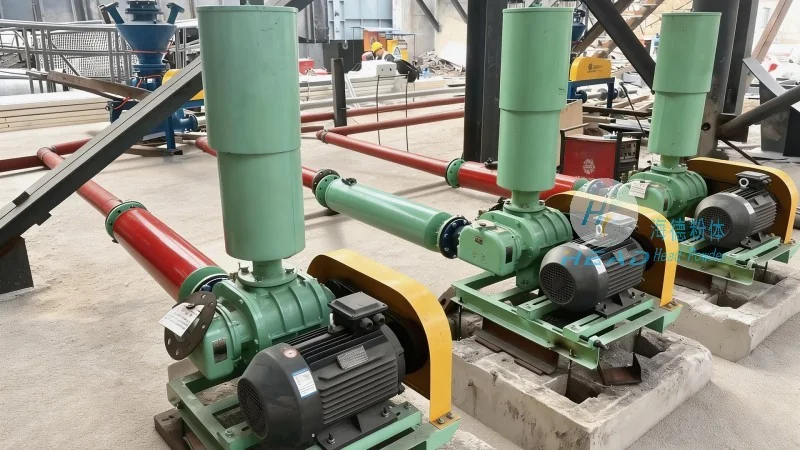
Pneumatic conveying, also known as air conveying, utilizes a pressurized or vacuum system to move bulk materials like glutinous rice through a pipeline using air. This method is particularly advantageous in the food industry because it minimizes product contamination, reduces the risk of mechanical damage to the rice grains, and enables seamless integration with other processing equipment. Unlike traditional mechanical conveyors, which may cause friction and breakage, pneumatic systems provide a gentle transport environment that preserves the texture and quality of glutinous rice, making it ideal for applications ranging from raw material intake to packaging.
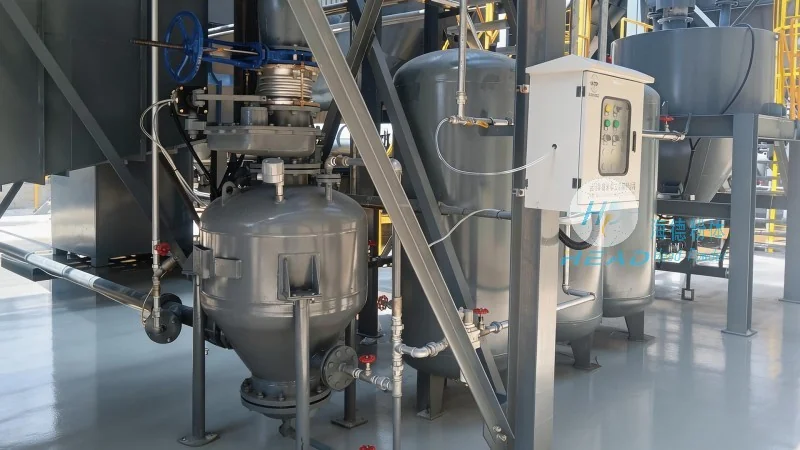
The effectiveness of a pneumatic conveying system for glutinous rice depends on several key components and design choices tailored to the material's properties. These include the type of air mover (e.g., rotary lobe blowers, centrifugal fans), the pipeline configuration (straight or curved), and the use of specialized equipment such as cyclone separators and rotary valves. For glutinous rice, which is typically low in bulk density and prone to bridging or clogging, the system design must address these challenges to ensure consistent flow and prevent material buildup. The selection of appropriate air velocities, pressure levels, and pipeline diameters is crucial to maintain a stable conveying process without causing excessive energy consumption or product degradation.
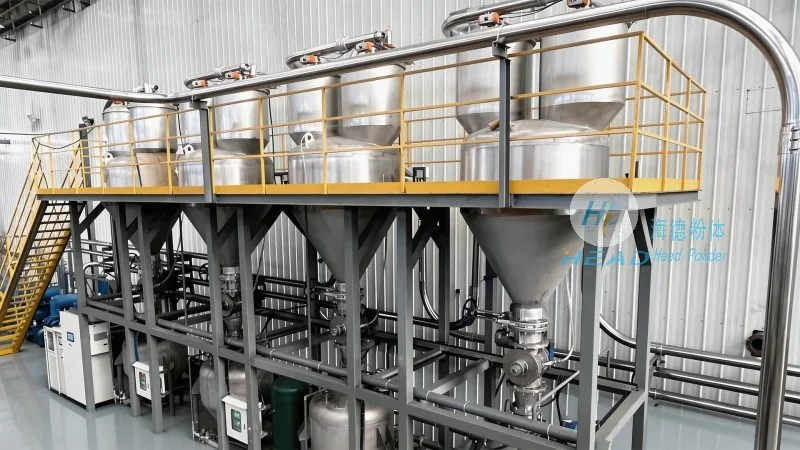
Optimizing a pneumatic conveying system for glutinous rice involves a combination of technical adjustments and operational best practices. One key strategy is the implementation of variable speed air movers, which allow for real-time adjustment of air pressure based on the material flow rate. This dynamic control helps maintain optimal conveying conditions, reducing energy waste and preventing overpressurization that could damage the rice grains. Additionally, the use of inline filters and moisture control systems is essential to maintain the quality of the air and the rice, as excess moisture can lead to caking or microbial growth in the pipeline. Regular maintenance of components such as cyclone separators and rotary valves is also critical to ensure long-term system efficiency and minimize downtime.
Shandong HeadPowder Engineering Co., Ltd., a leading provider of material handling solutions, has successfully applied optimized pneumatic conveying systems in various glutinous rice processing facilities. The company's expertise lies in customizing systems to meet specific customer requirements, including varying production volumes and product specifications. For instance, one client required a system to transport 10 tons of glutinous rice per hour from a silo to a milling machine, with strict hygiene and quality standards. HeadPowder designed a high-efficiency pneumatic system featuring a rotary lobe blower, a 100mm diameter pipeline, and a cyclone separator with a high separation efficiency of 99%. The system was optimized to operate at a pressure of 0.8 bar, ensuring smooth and continuous flow while minimizing energy consumption. The client reported a 20% reduction in operational costs and a significant improvement in product quality, as evidenced by reduced breakage rates and consistent moisture content.
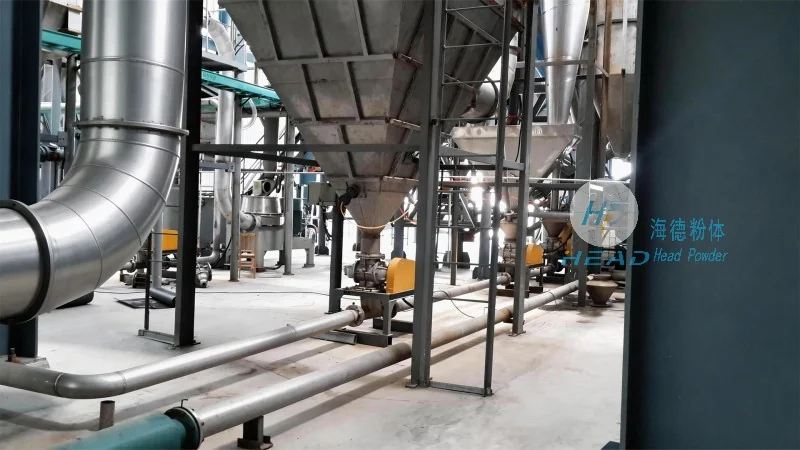
Pneumatic conveying technology continues to play a vital role in the efficient and safe handling of glutinous rice, offering significant advantages over traditional methods. By optimizing system design and operational parameters, manufacturers can enhance productivity, reduce costs, and maintain the quality of their products. As the food industry evolves, continued advancements in pneumatic conveying systems, such as the integration of smart sensors and automation, will further improve performance and reliability. For businesses in the glutinous rice processing sector, partnering with experienced engineering companies like Shandong HeadPowder Engineering Co., Ltd. can provide the expertise needed to implement effective and efficient conveying solutions that meet both current and future industry demands.

 Shandong Headpowder Engineering Co., Ltd.
 156-6277-7102(Manager Zhang)
  0531-83386006
  Zhangqiu District, Jinan City, Shandong Province, China
telephone
WeChatconsult
top