With more than 10‑year industry experience, Shandong Headpowder delivers full‑service pneumatic‑conveying systems and blowers, undertaking nationwide turn‑key powder‑handling projects.
Gypsum sand, a key material in construction and industrial processes, requires efficient handling methods to ensure smooth operations. Pneumatic conveying systems offer a reliable solution for transporting gypsum sand, leveraging air pressure to move the material through pipelines. This article explores the fundamental principles of gypsum sand pneumatic conveying, its classification into different types, and practical applications in various industries.
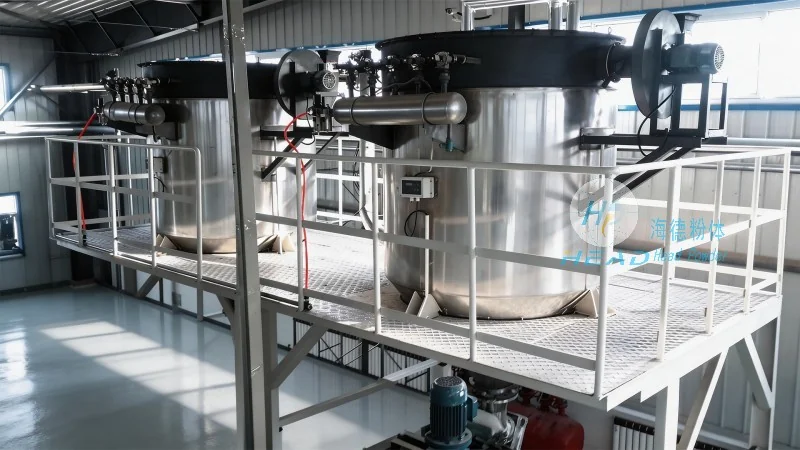
HeadPowder, a leading provider in the field of material handling solutions, specializes in designing and manufacturing advanced pneumatic conveying systems. With a strong commitment to quality and innovation, the company has established itself as a trusted partner for clients seeking efficient and reliable solutions for transporting gypsum sand and other bulk materials. HeadPowder's expertise lies in understanding the unique characteristics of gypsum sand and developing tailored pneumatic conveying systems that meet the specific needs of each application.
Gypsum sand pneumatic conveying operates on the principle of using compressed air to transport dry bulk materials through a pipeline system. The process typically involves a hopper or feeder that feeds the gypsum sand into the conveying line. As the material enters the pipeline, it is entrained by the high-velocity air stream, which carries the sand particles forward. The air and sand mixture travels through the pipeline until it reaches the discharge point, where the air is separated from the material, often using a cyclone separator or other air filtration equipment. The separated air is then recirculated back into the system, while the gypsum sand is collected for further processing or use.
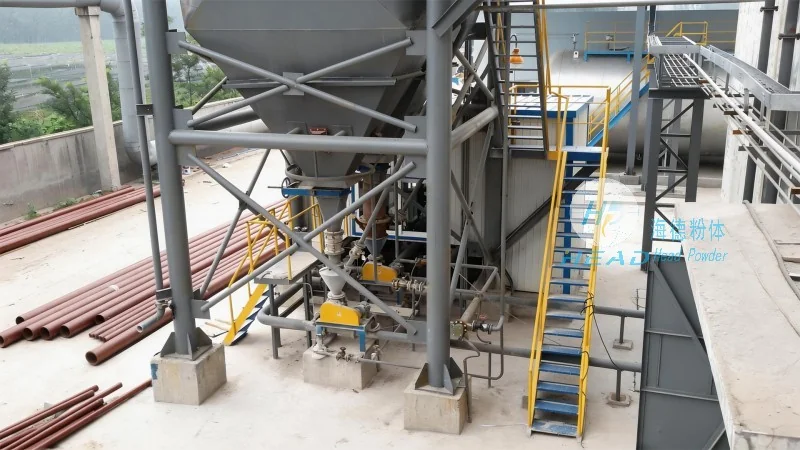
Gypsum sand pneumatic conveying systems can be classified into several types based on the method of air and material interaction. The primary classifications include:
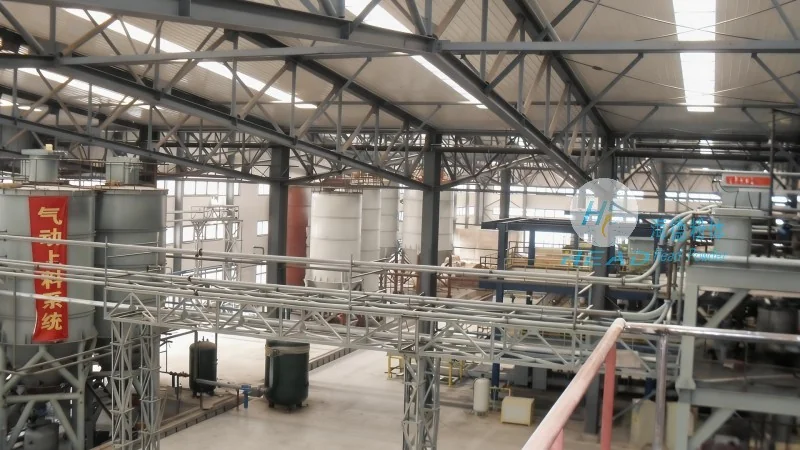
Gypsum sand pneumatic conveying is widely used in various industries due to its efficiency and flexibility. Some common applications include:
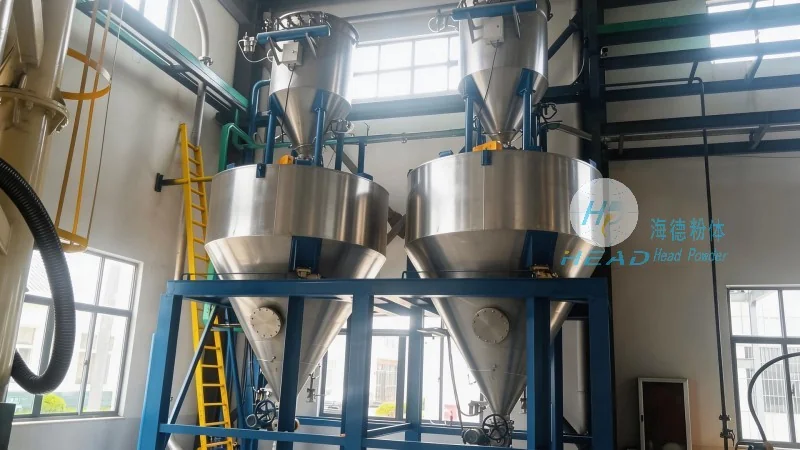
Implementing pneumatic conveying systems for gypsum sand offers several advantages over traditional methods like belt conveyors or bucket elevators. These benefits include:
Gypsum sand pneumatic conveying is a highly effective method for transporting this essential material in various industrial applications. By understanding the working principles and classification of these systems, industries can select the most appropriate solution to meet their operational needs. With advancements in technology and design, pneumatic conveying systems continue to evolve, offering improved efficiency, reliability, and cost-effectiveness. Companies like Shandong HeadPowder Engineering Co., Ltd. play a crucial role in providing tailored solutions that enhance the performance and productivity of gypsum sand handling processes.

 Shandong Headpowder Engineering Co., Ltd.
 156-6277-7102(Manager Zhang)
  0531-83386006
  Zhangqiu District, Jinan City, Shandong Province, China
telephone
WeChatconsult
top