With more than 10‑year industry experience, Shandong Headpowder delivers full‑service pneumatic‑conveying systems and blowers, undertaking nationwide turn‑key powder‑handling projects.
Understanding the principles and applications of maltose pneumatic conveying is crucial for efficient material handling in the food processing industry, particularly when dealing with sensitive products like maltose. This article provides an in-depth overview of the technology, its working mechanisms, and the various classifications used in industrial applications.
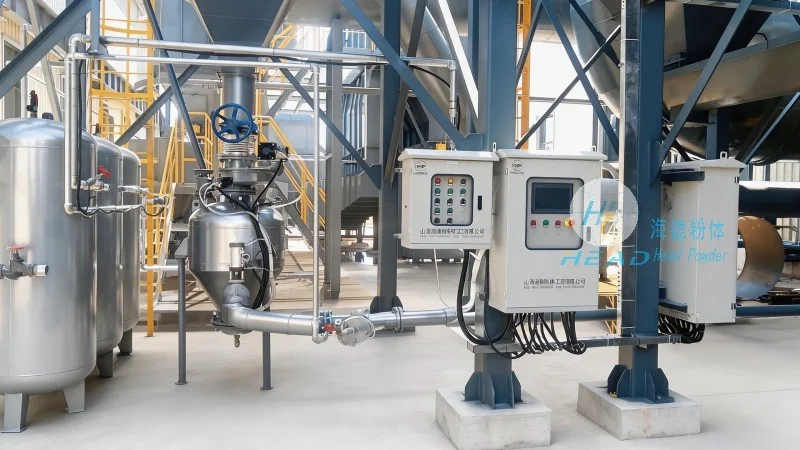
Maltose pneumatic conveying is a method of transporting bulk materials, such as maltose, using a stream of air or other gas. This technique is widely adopted in the food and pharmaceutical sectors due to its ability to handle delicate products without causing degradation or contamination. The process involves creating a flow of air that carries the maltose particles through a pipeline, ensuring a clean and efficient transfer from the source to the destination.
The core principle of pneumatic conveying for maltose relies on the interaction between the material and the air stream. In a typical system, air is introduced into a hopper or storage tank, creating a pressure differential that lifts the maltose particles into the conveying line. The air velocity is carefully controlled to maintain a stable suspension of the particles, preventing clogging and ensuring smooth transport. This method can be categorized into two main types: positive pressure and negative pressure systems, each with distinct characteristics suitable for different operational needs.
Maltose pneumatic conveying systems are classified based on several factors, including the pressure differential, the type of air flow, and the particle size and density of the material. The primary classifications include:
1. Positive Pressure Systems: In these systems, air is supplied under pressure from a blower or compressor, pushing the maltose particles through the pipeline. This method is ideal for long-distance or high-rise applications, as it can maintain consistent pressure and flow rates. Positive pressure systems are commonly used in large-scale production facilities where continuous material transfer is required.
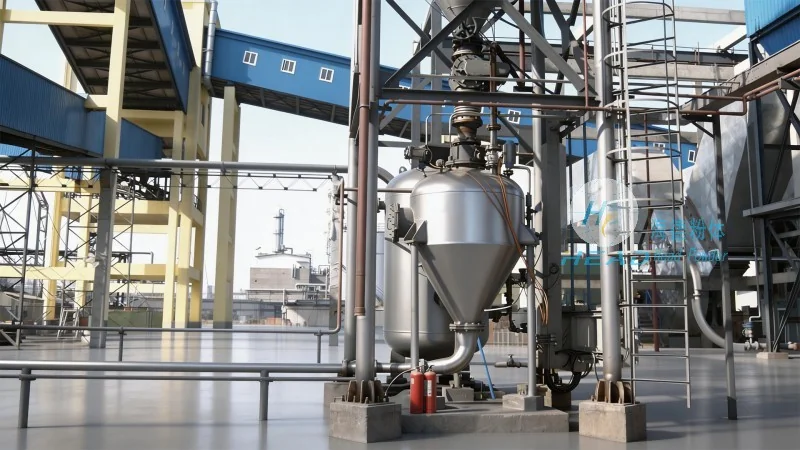
2. Negative Pressure (Vacuum) Systems: Conversely, negative pressure systems use a vacuum to draw the maltose particles into the conveying line. The vacuum is created by a fan or ejector, which pulls the material from the source and transports it to the destination. This approach is suitable for applications where the material needs to be collected from multiple points or where the destination is at a lower elevation than the source.
3. Dense Phase vs. Dilute Phase Conveying: Another classification is based on the phase of the material-air mixture. Dense phase conveying involves a higher concentration of particles in the air stream, resulting in a slower, more controlled transport. This method is beneficial for handling fine or cohesive materials like maltose, as it reduces the risk of particle degradation and equipment wear. Dilute phase conveying, on the other hand, uses a lower particle concentration, allowing for faster transport over shorter distances but with higher energy consumption.
The versatility of maltose pneumatic conveying makes it applicable in various stages of the maltose production and processing chain. For instance, in the initial stages, maltose can be conveyed from storage silos to processing units, ensuring a seamless transition from raw material to intermediate products. During the production process, the system can transport maltose between different processing equipment, such as mixers, reactors, and drying units, maintaining the product's quality and integrity.
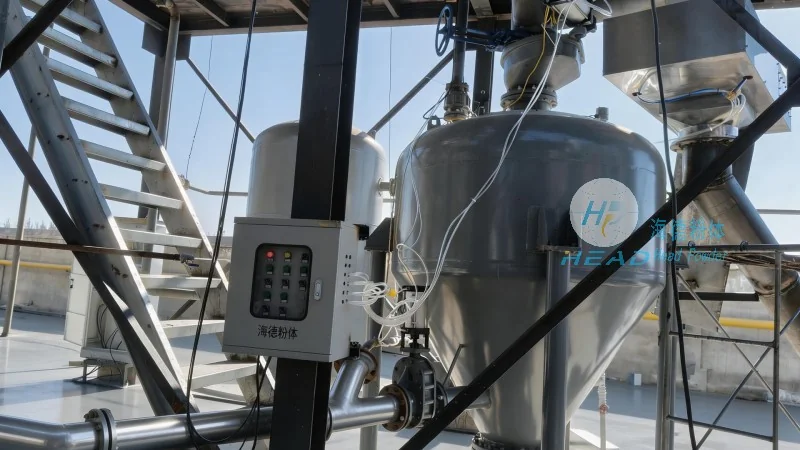
In the final stages, maltose is often conveyed to packaging lines or storage facilities. The ability to handle maltose in a clean, dust-free environment is particularly important in food processing, as it helps maintain product purity and compliance with regulatory standards. Shandong HeadPowder Engineering Co., Ltd., a leading provider of pneumatic conveying solutions based in China, specializes in designing and manufacturing systems tailored to the specific needs of maltose manufacturers. With years of experience in the industry, the company has developed advanced technologies that optimize the performance and efficiency of maltose pneumatic conveying systems.
When implementing a maltose pneumatic conveying system, several factors must be considered to ensure optimal performance and longevity. These include the particle size and density of the maltose, the required conveying distance and elevation, and the desired flow rate. The choice between positive and negative pressure systems, as well as dense and dilute phase conveying, depends on these parameters and the specific operational requirements of the facility.
Additionally, the material of construction for the conveying pipeline and components is critical. Maltose is a hygroscopic substance, meaning it can absorb moisture from the air, which may affect its quality. Therefore, systems are often designed with materials that are resistant to corrosion and moisture, such as stainless steel or specialized plastics. Proper maintenance and cleaning protocols are also essential to prevent product buildup and ensure the system operates efficiently over time.
Maltose pneumatic conveying is a sophisticated and efficient method for handling maltose in industrial settings. By understanding the working principles and classifications of these systems, manufacturers can select the most appropriate technology to meet their operational needs. With the expertise of companies like Shandong HeadPowder Engineering Co., Ltd., based in China, the implementation of reliable and effective maltose pneumatic conveying systems is achievable, ensuring smooth material handling and maintaining product quality throughout the production process.

 Shandong Headpowder Engineering Co., Ltd.
 156-6277-7102(Manager Zhang)
  0531-83386006
  Zhangqiu District, Jinan City, Shandong Province, China
telephone
WeChatconsult
top