With more than 10‑year industry experience, Shandong Headpowder delivers full‑service pneumatic‑conveying systems and blowers, undertaking nationwide turn‑key powder‑handling projects.
Protein powder, a key component in the food and nutritional supplement industry, requires efficient and reliable handling methods to ensure product quality and operational efficiency. Pneumatic conveying, a technology that uses air or gas to transport bulk materials like protein powders, has become a preferred solution for many manufacturers. This article explores the fundamental principles of pneumatic conveying systems, the various classification methods, and their practical applications in the protein powder industry, with a focus on the expertise of Shandong HeadPowder Engineering Co., Ltd., a leading provider in the field.
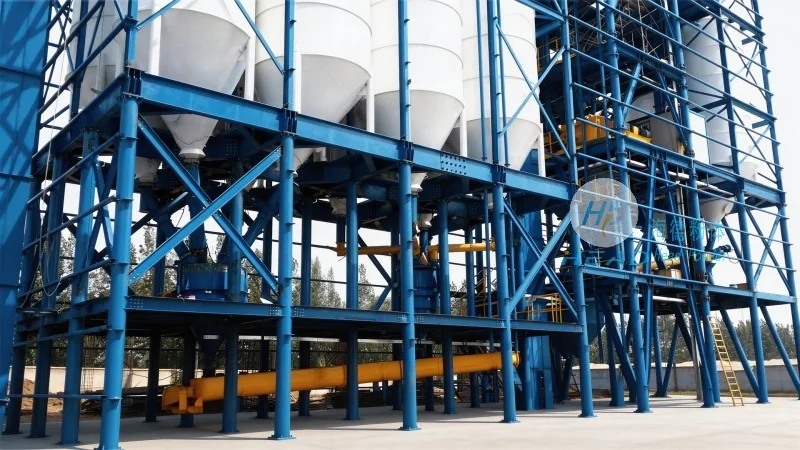
At the core of pneumatic conveying is the use of air flow to move solid particles through a pipeline. The process involves creating a pressure differential between the inlet and outlet of the system, which propels the material forward. There are two primary types of pneumatic conveying: pressure and vacuum systems. Pressure systems operate by introducing compressed air into the material stream, while vacuum systems create a negative pressure to draw material into the system. For protein powders, which are often sensitive to moisture and temperature, the choice of system type and design is critical to maintain product integrity.
The classification of pneumatic conveying systems for protein powders can be based on several factors, including the conveying velocity, pressure levels, and the nature of the material being transported. One common classification is by the velocity of the conveying air: low-velocity systems, which operate at speeds below 20 m/s, and high-velocity systems, which exceed this threshold. Low-velocity systems are generally more energy-efficient and gentler on the product, making them suitable for delicate protein powders that are prone to agglomeration or degradation. High-velocity systems, on the other hand, can handle larger quantities of material but may require more maintenance and energy input.
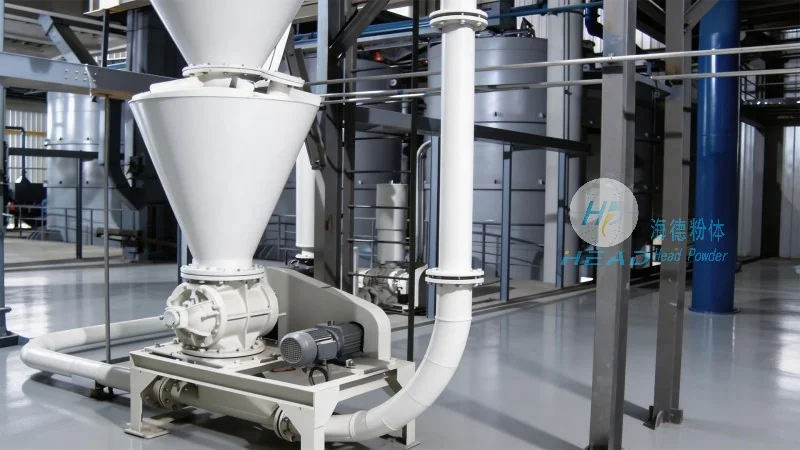
Another classification method is based on the pressure differential within the system. Positive pressure systems maintain a pressure higher than the ambient air pressure, while negative pressure systems operate at a pressure lower than ambient. Positive pressure systems are often preferred for protein powders due to their ability to handle dusty or fine materials without the risk of contamination from external air. They also provide better control over the material flow and can be integrated with existing production lines more easily. Negative pressure systems, while effective for handling hazardous or toxic materials, are less common in protein powder applications due to their higher risk of dust accumulation and maintenance complexity.
Furthermore, pneumatic conveying systems can be categorized by the type of air flow used: dilute-phase and dense-phase. Dilute-phase systems, which are the most common for protein powders, transport material in a dispersed state, with particles suspended in the air stream. This method is suitable for materials with low to medium bulk density and requires less energy compared to dense-phase systems. Dense-phase systems, in contrast, transport material in a more concentrated state, where particles are closely packed and move in a slug or plug flow. Dense-phase systems are ideal for handling high-value or sensitive products, as they minimize particle impact and reduce the risk of product degradation. For protein powders, the choice between dilute-phase and dense-phase systems depends on factors such as product value, handling requirements, and operational constraints.
The application of pneumatic conveying in the protein powder industry is widespread, encompassing various stages of the production and handling process. From raw material intake to final product packaging, pneumatic systems are used to transport ingredients, intermediate products, and finished goods. For example, in a protein powder manufacturing facility, raw materials such as soybeans or whey are first conveyed from storage silos to processing equipment using pneumatic systems. This ensures a continuous and hygienic flow of materials, reducing the risk of contamination and improving overall production efficiency. During the processing stage, intermediate products like dried or milled protein powders are transported between processing units, such as mixers and blenders, using pneumatic conveyors. This allows for seamless integration of different processing steps and minimizes downtime between operations.
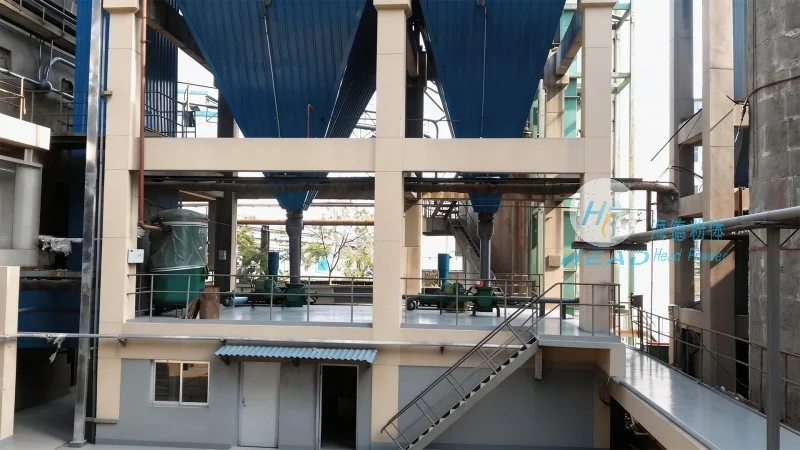
After processing, the finished protein powders are typically conveyed to packaging lines or storage silos. Pneumatic systems are particularly effective for this stage, as they can handle the final product in a clean and controlled manner, ensuring that the product remains free from contaminants and maintains its quality attributes. Additionally, pneumatic conveying can be used for material recovery and recycling, such as recovering lost powder from dust collectors or returning rejected batches to the processing line. This not only reduces waste but also improves the overall sustainability of the production process.
Shandong HeadPowder Engineering Co., Ltd., with its headquarters in Shandong, China, specializes in the design, manufacturing, and installation of pneumatic conveying systems tailored to the specific needs of the protein powder industry. The company's expertise lies in understanding the unique challenges of handling protein powders, including their sensitivity to moisture, temperature, and mechanical stress. By leveraging advanced engineering and material science, HeadPowder provides customized solutions that optimize the performance and reliability of pneumatic conveying systems. The company's products are designed to meet the highest standards of hygiene and safety, ensuring that they comply with industry regulations and customer requirements. With a focus on innovation and customer satisfaction, HeadPowder has become a trusted partner for many protein powder manufacturers worldwide, helping them to enhance their operational efficiency and product quality.
When selecting a pneumatic conveying system for protein powders, several factors must be considered to ensure optimal performance and product integrity. The first consideration is the material's physical properties, such as bulk density, particle size, and moisture content. These properties determine the appropriate system type and design parameters. For example, fine protein powders with low bulk density may require a high-velocity dilute-phase system, while coarser powders may benefit from a dense-phase system. The second factor is the required conveying capacity and distance. The system must be capable of handling the desired flow rate while maintaining the desired pressure and velocity. The third factor is the operational environment, including the need for dust control, explosion protection, or hygienic design. These factors influence the choice of components, such as filters, valves, and piping materials.
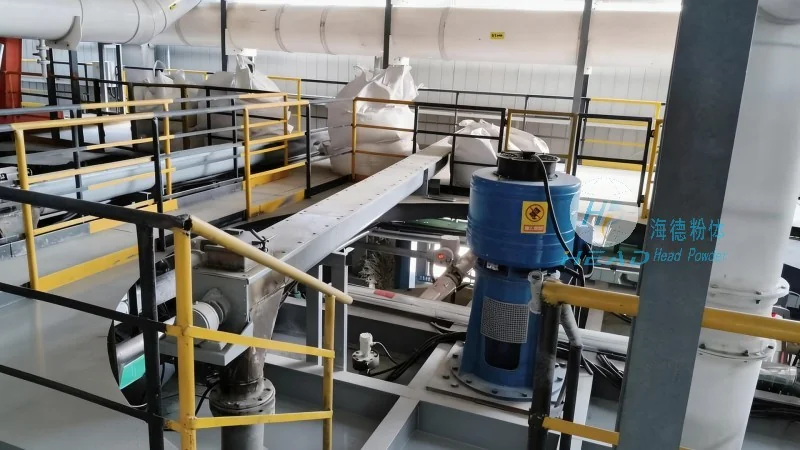
HeadPowder's team of engineers works closely with clients to assess these factors and develop a customized pneumatic conveying solution. The company uses advanced simulation and modeling tools to predict system performance and optimize design parameters before installation. This approach ensures that the final system meets the client's specific requirements and operates efficiently from day one. Additionally, HeadPowder provides comprehensive after-sales support, including maintenance, training, and technical assistance, to ensure the long-term reliability and performance of the system.
In conclusion, pneumatic conveying is a vital technology for the efficient and reliable handling of protein powders. By understanding the principles and classification of pneumatic systems, manufacturers can select the most appropriate solution for their needs, ensuring product quality and operational efficiency. With its expertise and commitment to innovation, Shandong HeadPowder Engineering Co., Ltd. plays a key role in advancing the protein powder industry by providing high-quality pneumatic conveying systems that meet the demands of modern manufacturing.

 Shandong Headpowder Engineering Co., Ltd.
 156-6277-7102(Manager Zhang)
  0531-83386006
  Zhangqiu District, Jinan City, Shandong Province, China
telephone
WeChatconsult
top