With more than 10‑year industry experience, Shandong Headpowder delivers full‑service pneumatic‑conveying systems and blowers, undertaking nationwide turn‑key powder‑handling projects.
HeadPowder, a leading engineering firm based in Shandong, China, specializes in the design and implementation of advanced pneumatic conveying systems for lithium fluoride. This article provides an in-depth overview of the classification and key components that constitute such systems, ensuring efficient and reliable material handling for industrial applications.
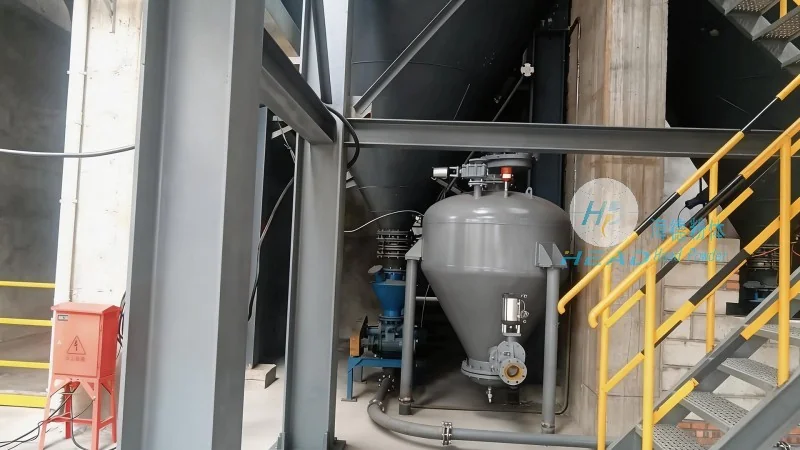
Lithium fluoride (LiF) is a critical chemical compound widely used in various industries, including nuclear energy, pharmaceuticals, and specialty chemicals. The efficient transport of LiF powder from storage to processing units is essential for maintaining production efficiency and safety. Pneumatic conveying systems offer a non-contact, dust-free method to handle such materials, making them a preferred choice for industries dealing with hazardous or sensitive powders. This article explores the different classifications of these systems and the essential components that make up a complete LiF pneumatic conveying solution.
Pneumatic conveying systems are typically categorized based on the velocity and pressure of the conveying medium, as well as the particle flow characteristics. For lithium fluoride, two primary classifications are commonly employed: dilute-phase and dense-phase systems. Each type has distinct advantages and is selected based on the specific requirements of the application.
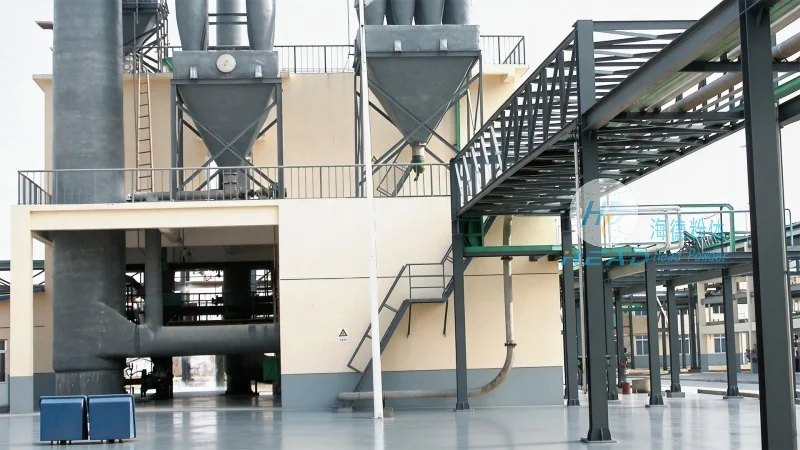
Dilute-phase systems operate at high velocities (typically 20-30 m/s) and low pressure (under 0.7 bar). In this mode, the solid particles are suspended in the air stream, forming a dilute mixture. This method is ideal for short to medium distance transport (up to several hundred meters) and is suitable for materials with good flow properties. For lithium fluoride, dilute-phase systems are often used in applications where the material is to be transferred from a hopper to a mixer or reactor. The high velocity ensures that the particles remain in suspension, preventing clogging and ensuring a consistent flow rate. However, due to the high air consumption, these systems may not be cost-effective for long-distance or high-volume transport.
Dense-phase systems, on the other hand, operate at lower velocities (5-15 m/s) and higher pressure (up to 7 bar). The particles are conveyed in a dense slurry, with the air acting as a carrier rather than a suspending medium. This method is particularly beneficial for transporting materials over longer distances (up to several kilometers) and for handling materials with poor flow characteristics or high moisture content. For lithium fluoride, dense-phase systems are often used when the material needs to be transferred from a storage silo to a processing plant or when the material is prone to bridging or agglomeration. The lower velocity reduces the risk of particle degradation and ensures a more controlled flow, which is crucial for maintaining the quality of LiF.
A complete pneumatic conveying system for lithium fluoride consists of several interconnected components, each playing a vital role in the efficient and safe transport of the material. The following sections detail the primary components and their functions.
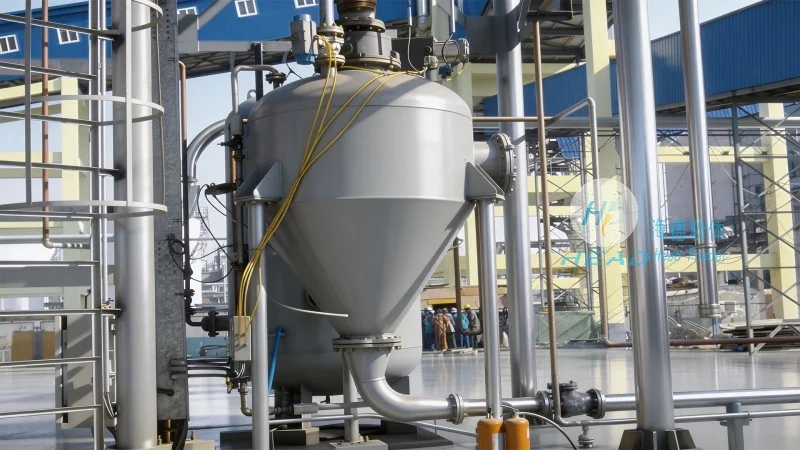
The system begins with a material feeding and storage hopper. For lithium fluoride, a stainless steel or corrosion-resistant hopper is typically used to prevent contamination and ensure durability. The hopper is equipped with a feeder, such as a rotary valve or a vibratory feeder, which controls the flow rate of the material into the conveying line. The feeder is designed to handle the specific characteristics of LiF, including its particle size distribution and flowability. Proper design of the hopper and feeder is crucial to avoid material bridging or clogging, which can lead to system downtime and safety hazards.
The conveying line is the core of the pneumatic system, responsible for transporting the lithium fluoride particles. The line is usually made of stainless steel or PVC, depending on the material's chemical compatibility and the system's operating conditions. The air supply is provided by a high-pressure blower or a positive displacement compressor, which generates the necessary pressure and velocity to move the material. The air flow rate and pressure are carefully controlled to ensure optimal conveying performance. For dilute-phase systems, the air flow rate is typically higher, while for dense-phase systems, the pressure is higher to maintain the dense slurry. The selection of the air supply equipment is critical, as it directly impacts the system's efficiency and energy consumption.
At the receiving end of the conveying line, separation and collection equipment is used to separate the lithium fluoride particles from the air stream. This is typically achieved using a cyclone separator or a baghouse filter. The cyclone separator uses centrifugal force to separate the particles from the air, while the baghouse filter uses fabric bags to trap the particles. The separated material is then collected in a receiving hopper or silo. For lithium fluoride, the separation equipment must be designed to handle the material's properties, such as its fine particle size and potential for static charge. Proper filtration and collection are essential to prevent dust emissions and ensure compliance with environmental regulations.
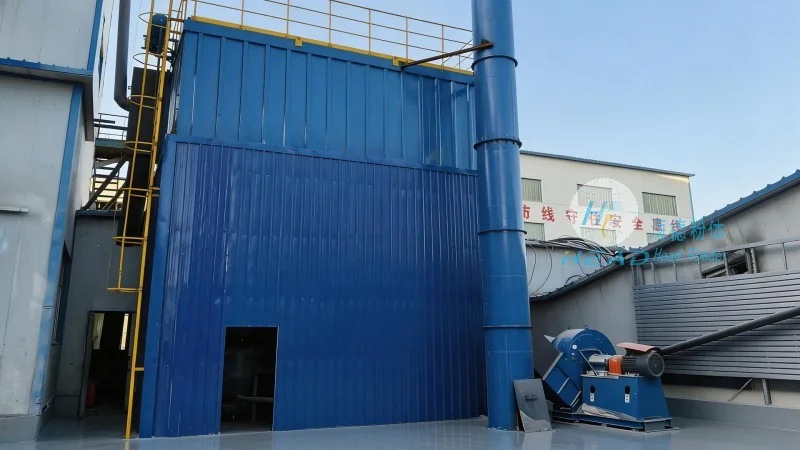
Modern pneumatic conveying systems for lithium fluoride are equipped with advanced control and monitoring systems to ensure optimal performance and safety. These systems include pressure sensors, flow meters, and level indicators, which provide real-time data on the system's operation. The control system adjusts the air flow rate and pressure based on the material feed rate, ensuring that the system operates within its design parameters. Additionally, the system may include safety features such as pressure relief valves and emergency shut-off valves to prevent over-pressurization and other hazards. The monitoring systems allow operators to detect and address any issues promptly, minimizing downtime and ensuring the consistent quality of the conveyed material.
HeadPowder Engineering Co., Ltd., based in Shandong, China, offers comprehensive solutions for the classification and implementation of lithium fluoride pneumatic conveying systems. By understanding the different classifications—dilute-phase and dense-phase—and the key components, such as the feeding hopper, conveying line, separation equipment, and control systems—industries can select the most suitable system for their specific needs. The efficient and safe handling of lithium fluoride is critical for maintaining production efficiency and ensuring product quality. With its expertise in engineering and material handling, HeadPowder provides tailored solutions that meet the unique requirements of each application, ensuring reliable and cost-effective material transport for lithium fluoride.

 Shandong Headpowder Engineering Co., Ltd.
 156-6277-7102(Manager Zhang)
  0531-83386006
  Zhangqiu District, Jinan City, Shandong Province, China
telephone
WeChatconsult
top