Classification and Composition of Spices Pneumatic Conveying Systems
Release time:2026-09-14 10:38:47
name of the company:Shandong Headpowder Engineering Co., Ltd.
telephone:156-6277-7102
contacts:Manager Zhang
HeadPowder Engineering, a leading manufacturer based in Shandong, China, specializes in the design, manufacturing, and supply of advanced pneumatic conveying systems tailored for the spice industry. With a strong commitment to quality and innovation, the company has established itself as a trusted partner for businesses seeking efficient and reliable solutions for handling and transporting spices. This article provides an overview of the classification and key components of spices pneumatic conveying systems, highlighting the technology's importance in modern spice processing operations.
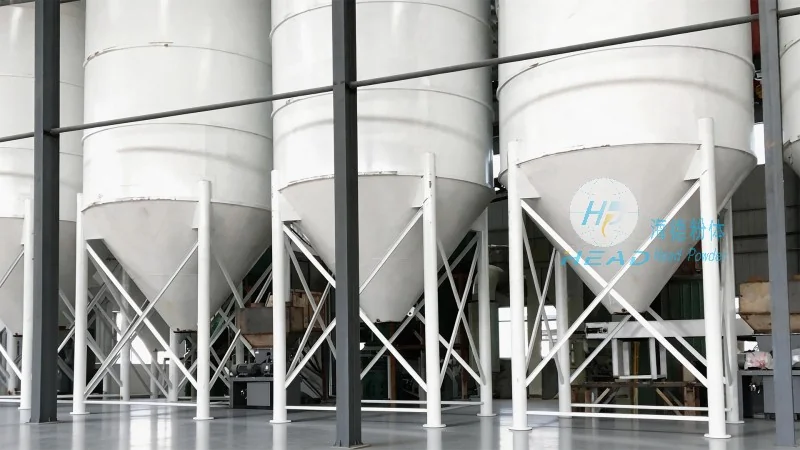
Introduction to Spices Pneumatic Conveying Systems
Spices pneumatic conveying systems are essential equipment used in the food processing industry to transport bulk spices from one location to another within a facility or between different processing stages. These systems utilize air or gas as the conveying medium to move dry, free-flowing materials like spices, ensuring a clean, hygienic, and efficient transfer process. The primary goal of such systems is to minimize product contamination, reduce labor costs, and enhance overall operational efficiency in spice handling operations.
Classification of Spices Pneumatic Conveying Systems
Spices pneumatic conveying systems can be classified based on several factors, including the pressure of the conveying medium, the direction of material flow, and the specific application requirements. The main categories include:
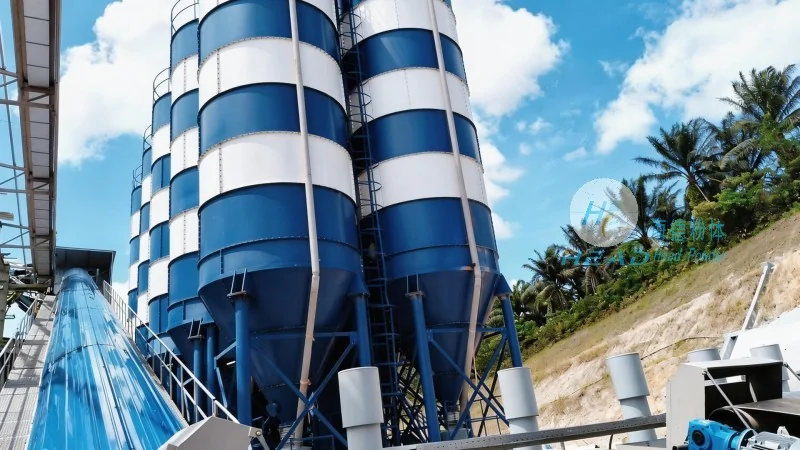
- Positive Pressure Systems: These systems operate by blowing air or gas into the conveying line, creating a positive pressure that propels the material forward. Positive pressure systems are commonly used for short to medium distance conveying and are suitable for handling fine or powdery spices. They typically feature a blower or compressor at the inlet, which supplies the necessary air pressure to move the material.
- Negative Pressure (Vacuum) Systems: In contrast, negative pressure systems create a vacuum at the discharge end, drawing the material into the conveying line. This type of system is ideal for applications requiring long-distance transport or when the material needs to be transferred from multiple points to a central collection point. Negative pressure systems are often preferred for handling larger or more abrasive spices that might cause wear on the system components.
- Combined Pressure Systems: Some advanced systems combine both positive and negative pressure principles to optimize conveying efficiency. These hybrid systems may use a positive pressure blower at the inlet to boost material movement and a vacuum at the discharge to ensure complete collection, particularly useful for complex spice processing lines with multiple transfer points.
Key Components of a Spices Pneumatic Conveying System
A typical spices pneumatic conveying system consists of several critical components that work in tandem to ensure smooth and efficient operation. The main components include:
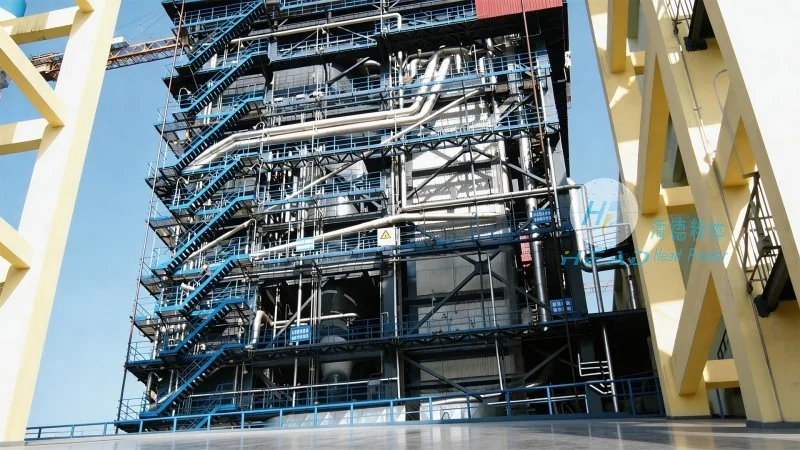
- Feed Hopper and Feeder: The feed hopper is used to store the raw spices before they are conveyed. It is equipped with a feeder, such as a rotary valve or a screw feeder, which controls the flow rate of the material into the conveying line. The feeder ensures a consistent and controlled supply of spices, preventing blockages and maintaining system performance.
- Conveying Line and Pipe Work: The conveying line is the main pathway for the spices and air mixture. It is typically made of stainless steel or other corrosion-resistant materials to withstand the abrasive nature of spices and maintain hygiene standards. The pipe work is designed with appropriate bends, elbows, and straight sections to facilitate smooth material flow and minimize pressure losses.
- Blower or Vacuum Pump: The blower or vacuum pump provides the necessary air or gas to move the spices through the system. In positive pressure systems, a high-pressure blower generates the required pressure, while in negative pressure systems, a vacuum pump creates the suction force. The choice of equipment depends on the system classification and the specific conveying requirements.
- Separation and Collection Equipment: At the discharge end, the system includes separation and collection equipment to separate the spices from the air and collect the material in a storage bin or processing unit. This may include cyclones, filters, or dust collectors, which ensure that the conveyed spices are clean and free from air contaminants. The separation process is crucial for maintaining product quality and preventing cross-contamination.
- Control and Monitoring Systems: Modern spices pneumatic conveying systems are equipped with control panels and monitoring devices to regulate the operation and ensure safety. These systems allow operators to adjust the flow rate, pressure, and other parameters in real-time, providing feedback on system performance and alerting to any potential issues. Advanced control systems may also integrate with other processing equipment for seamless operation.
Benefits of Using Spices Pneumatic Conveying Systems
Implementing a spices pneumatic conveying system offers numerous benefits for spice processing businesses. These include:
- Improved Hygiene and Cleanliness: Pneumatic systems eliminate the need for manual handling, reducing the risk of product contamination and ensuring compliance with food safety regulations. The enclosed system design prevents dust and particles from entering the workspace, maintaining a clean and safe environment.
- Enhanced Efficiency and Productivity: By automating the conveying process, businesses can significantly reduce labor costs and increase production throughput. The consistent flow of spices ensures that processing lines operate smoothly, minimizing downtime and maximizing output.
- Reduced Product Loss and Damage: Pneumatic conveying minimizes product degradation and loss due to less handling and fewer impacts compared to traditional methods like bucket elevators or belt conveyors. This helps preserve the quality and flavor of the spices, which is critical for maintaining product value.
- Flexibility and Scalability: Spices pneumatic conveying systems can be customized to meet the specific needs of different spice processing operations. They can be easily expanded or reconfigured to accommodate changes in production volume or processing requirements, providing long-term value and adaptability.
Conclusion
Spices pneumatic conveying systems are a vital component of modern spice processing facilities, offering efficient, hygienic, and reliable solutions for material handling. HeadPowder Engineering, with its expertise and commitment to quality, provides comprehensive pneumatic conveying systems tailored to the spice industry's unique requirements. By understanding the classification and key components of these systems, businesses can make informed decisions to enhance their operational efficiency and product quality. As a leading manufacturer based in Shandong, China, HeadPowder Engineering continues to innovate and deliver advanced solutions that meet the evolving needs of the spice industry.

 Shandong Headpowder Engineering Co., Ltd.
 156-6277-7102(Manager Zhang)
  0531-83386006
  Zhangqiu District, Jinan City, Shandong Province, China