With more than 10‑year industry experience, Shandong Headpowder delivers full‑service pneumatic‑conveying systems and blowers, undertaking nationwide turn‑key powder‑handling projects.
Carboxymethyl cellulose (CMC) is a widely used chemical additive in various industrial applications, including pharmaceuticals, food processing, and construction materials. The efficient and reliable transportation of CMC powder through pneumatic conveying systems is crucial for maintaining product quality and operational efficiency. This document outlines key design considerations for developing effective CMC pneumatic conveying system solutions.
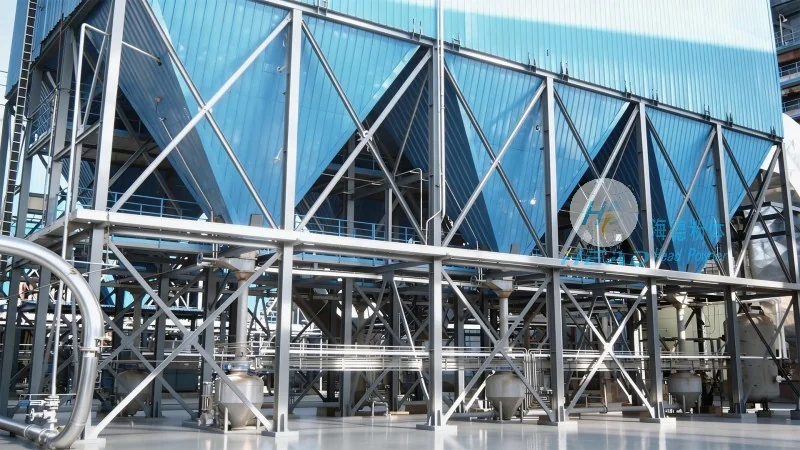
Shandong HeadPowder Engineering Co., Ltd. (HeadPowder) is a leading provider of customized pneumatic conveying systems tailored to the unique needs of industries handling fine powders like carboxymethyl cellulose. With a focus on engineering excellence and customer satisfaction, HeadPowder offers comprehensive solutions that address the specific challenges associated with CMC material properties and process requirements.
HeadPowder’s headquarters is located in Shandong, China, where the company’s team of experienced engineers and technicians work collaboratively to design, manufacture, and implement advanced pneumatic conveying systems. The company’s commitment to quality and innovation ensures that each project is executed with precision, meeting or exceeding industry standards and client expectations.
Designing an optimal CMC pneumatic conveying system involves a thorough analysis of several critical factors. These considerations are essential to ensure the system operates efficiently, safely, and with minimal product degradation. The following points highlight the most important aspects to address during the system design phase:
1. **Material Properties and Flow Characteristics**: CMC powders exhibit specific rheological and particle size characteristics that influence their behavior in a conveying system. Understanding the bulk density, moisture content, and flowability of the material is paramount. For example, CMC often has a relatively low bulk density and can be prone to agglomeration, which may require specialized equipment such as rotary valves or airlocks to ensure consistent material feed.
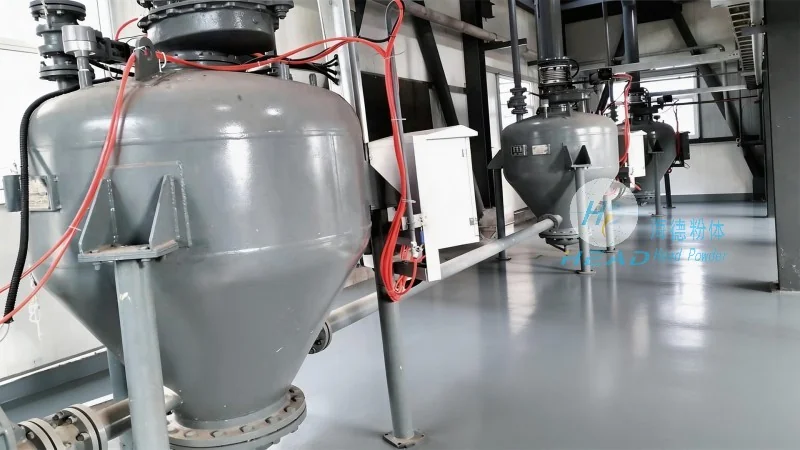
2. **Conveying Method Selection**: The choice between positive pressure, negative pressure, or a combination of both depends on the specific application and system layout. Positive pressure systems are commonly used for long-distance or high-capacity conveying, as they offer better control over material flow and can handle more challenging materials. Negative pressure systems, on the other hand, are suitable for applications where dust control is a priority and the material is to be conveyed from a single source to multiple destinations.
3. **Airflow and Pressure Management**: Proper airflow and pressure regulation are critical to prevent material blockages and ensure smooth operation. The system must be designed to maintain sufficient air velocity to keep the powder in suspension, while avoiding excessive pressure that could lead to equipment wear or product degradation. HeadPowder engineers use advanced computational fluid dynamics (CFD) modeling to optimize airflow patterns and pressure drops, ensuring energy efficiency and system reliability.
4. **Equipment Selection and Integration**: The selection of components such as cyclones, filters, and material handling units must be tailored to the CMC application. For instance, high-efficiency cyclones are often used to separate the conveyed material from the air stream, while dust collectors may be integrated to comply with environmental regulations. The integration of these components into a cohesive system is essential for maintaining product purity and operational safety.
5. **Dust Control and Environmental Compliance**: CMC powders are typically fine and can generate significant dust during handling. Effective dust control measures, including sealed equipment, proper ventilation, and filtration systems, are mandatory to protect both personnel and the environment. HeadPowder incorporates advanced dust collection technologies to ensure compliance with local and international environmental standards.
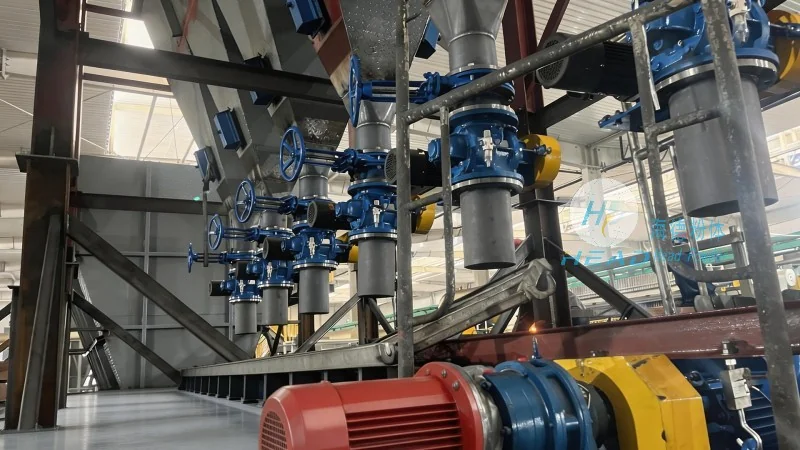
6. **System Scalability and Flexibility**: As production needs evolve, the conveying system must be adaptable to changes in material volume or processing requirements. Modular design and flexible components allow for easy expansion or reconfiguration without disrupting ongoing operations. This ensures that the investment in the system remains viable and can support future growth.
Adopting a well-designed CMC pneumatic conveying system offers numerous advantages for industrial operations. These benefits extend beyond mere material transport and contribute to overall process efficiency and cost reduction:
• **Enhanced Product Quality**: By minimizing material contact with external surfaces and reducing exposure to air, the system helps preserve the purity and quality of CMC. This is particularly important in pharmaceutical and food applications where product integrity is non-negotiable.
• **Improved Operational Efficiency**: Automated and continuous conveying reduces labor costs and minimizes downtime associated with manual handling. The consistent flow of material also allows for better process control and batch consistency.
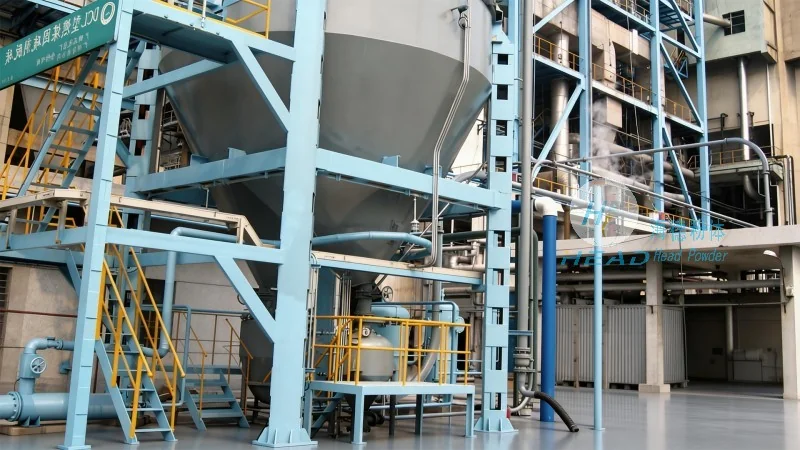
• **Reduced Maintenance and Downtime**: High-quality components and proper system design reduce the likelihood of equipment failure and the need for frequent maintenance. This leads to lower operational costs and increased system uptime.
• **Environmental Sustainability**: Advanced dust control and energy-efficient airflow management contribute to a smaller environmental footprint. HeadPowder’s systems are designed with sustainability in mind, aligning with global efforts to reduce industrial emissions and waste.
Designing an effective carboxymethyl cellulose pneumatic conveying system requires a comprehensive approach that considers material properties, operational requirements, and environmental regulations. Shandong HeadPowder Engineering Co., Ltd. specializes in providing tailored solutions that address these challenges, ensuring reliable and efficient material handling for CMC applications.
Whether you are looking to upgrade an existing system or design a new one from the ground up, HeadPowder’s team of experts is ready to assist. With a commitment to quality, innovation, and customer satisfaction, HeadPowder is your trusted partner in achieving optimal pneumatic conveying performance for carboxymethyl cellulose and other fine powders.

 Shandong Headpowder Engineering Co., Ltd.
 156-6277-7102(Manager Zhang)
  0531-83386006
  Zhangqiu District, Jinan City, Shandong Province, China
telephone
WeChatconsult
top