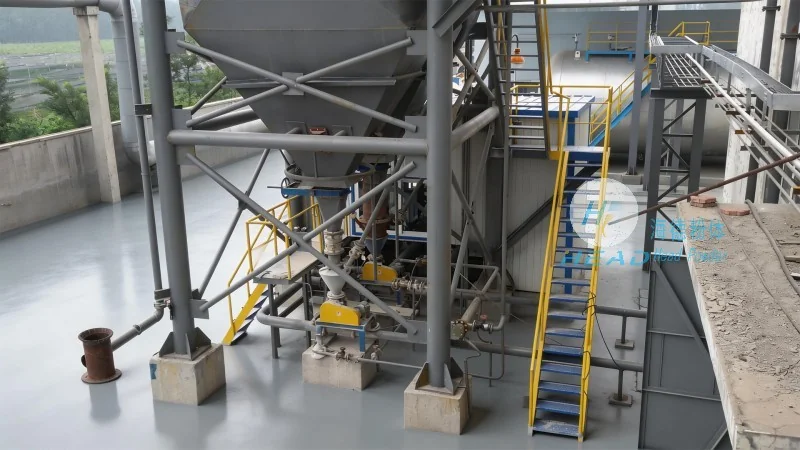
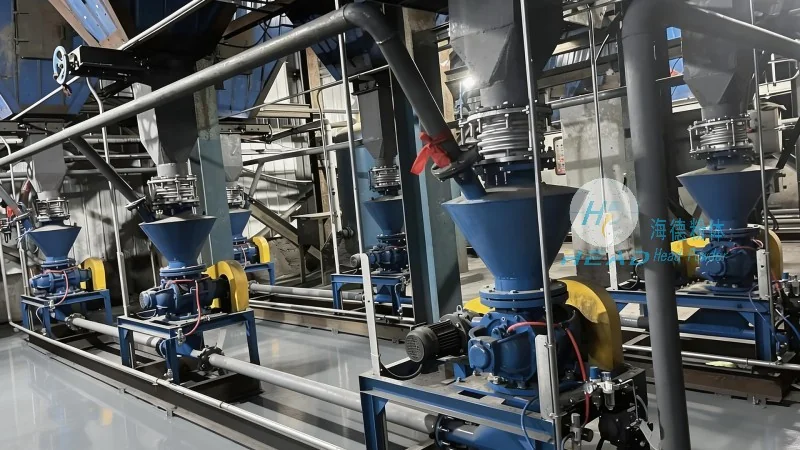
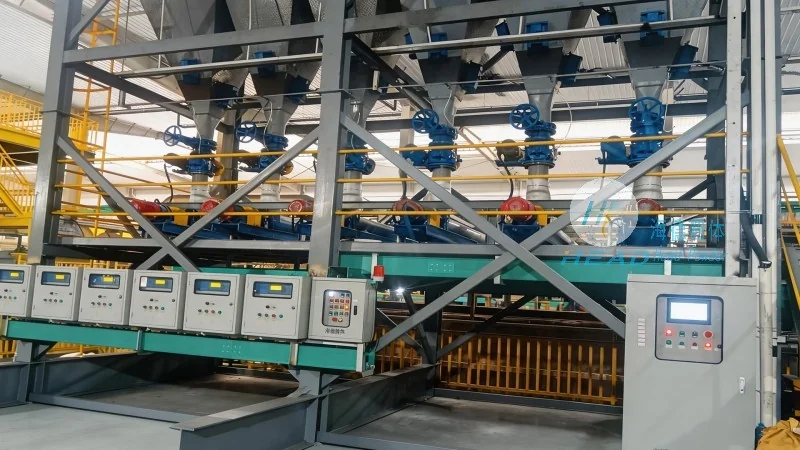
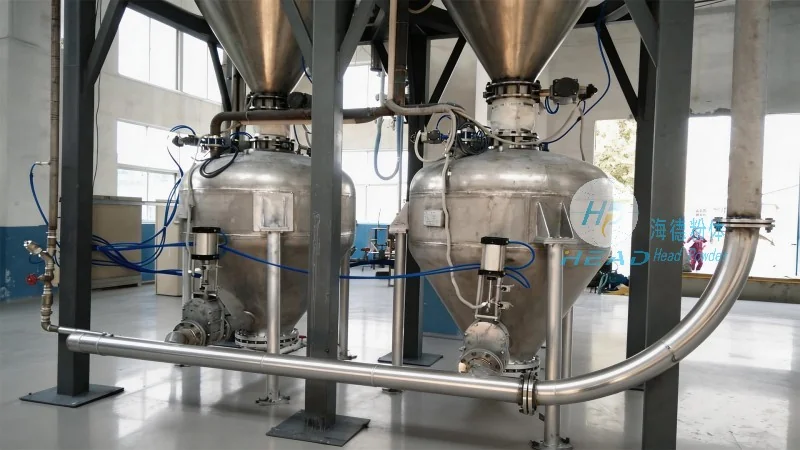
With more than 10‑year industry experience, Shandong Headpowder delivers full‑service pneumatic‑conveying systems and blowers, undertaking nationwide turn‑key powder‑handling projects.
Iron oxide pigments are ubiquitous in the global industrial landscape, serving as the primary coloring agents in construction materials, coatings, plastics, and rubber. Their popularity stems from their excellent opacity, tinting strength, and chemical stability. However, the physical properties of these pigments—typically in the form of fine, free-flowing powders—present unique logistical challenges during manufacturing and processing. The handling of iron oxide pigments requires a delicate balance between efficiency and environmental protection. Traditional mechanical conveying methods, such as screw conveyors or belt conveyors, often struggle with these specific materials due to issues like dust generation, material degradation, and blockages. Consequently, industries are increasingly turning to advanced pneumatic conveying technologies to ensure seamless material transfer while maintaining high standards of workplace safety and product quality.
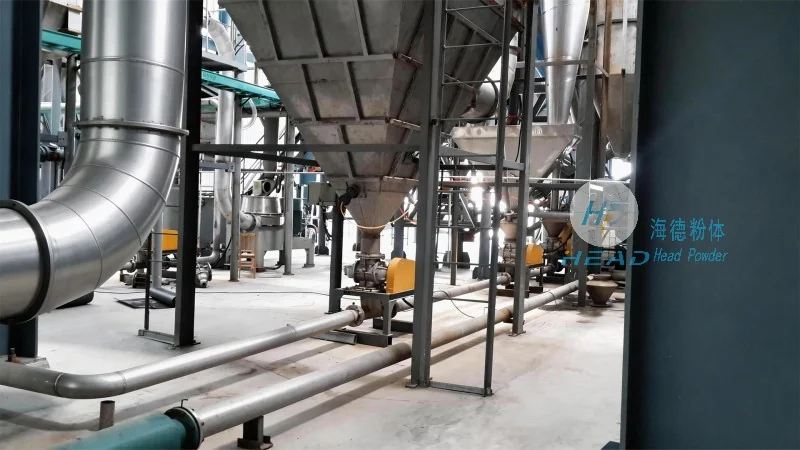
Pneumatic conveying utilizes a stream of air or gas to transport solid materials through enclosed pipelines. This technology offers a significant advantage over mechanical methods when dealing with iron oxide pigments. By utilizing a closed-loop system, pneumatic conveying effectively eliminates dust emissions, which is a critical concern when handling fine powders that can pose respiratory hazards or contaminate the surrounding environment. Furthermore, the gentle nature of air-assisted transport minimizes the mechanical stress on the pigment particles, preserving their color intensity and preventing the formation of clumps or agglomerates. This method ensures that the bulk density and flow characteristics of the iron oxide remain consistent from the storage silo to the point of application.
Every manufacturing facility has unique spatial constraints, production capacities, and material handling requirements. Therefore, a one-size-fits-all approach is rarely sufficient for iron oxide pigment processing. This is where the need for a highly specialized Iron Oxide Pigment Pneumatic Conveying Solution becomes apparent. A professional engineering team must analyze the specific layout of the plant, the distance between storage and processing units, and the required flow rates to design a system that operates flawlessly. Whether the requirement involves a short-distance transfer within a single plant or a complex system spanning multiple buildings, the solution must be tailored to optimize energy consumption and ensure reliable operation. Customized solutions also account for the specific chemical composition of the pigment, ensuring that the conveying medium does not react adversely with the material, thereby preserving the chemical integrity of the product.
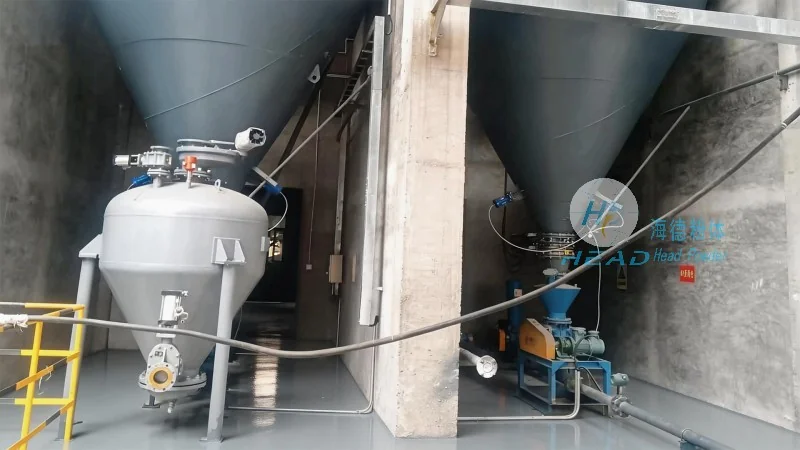
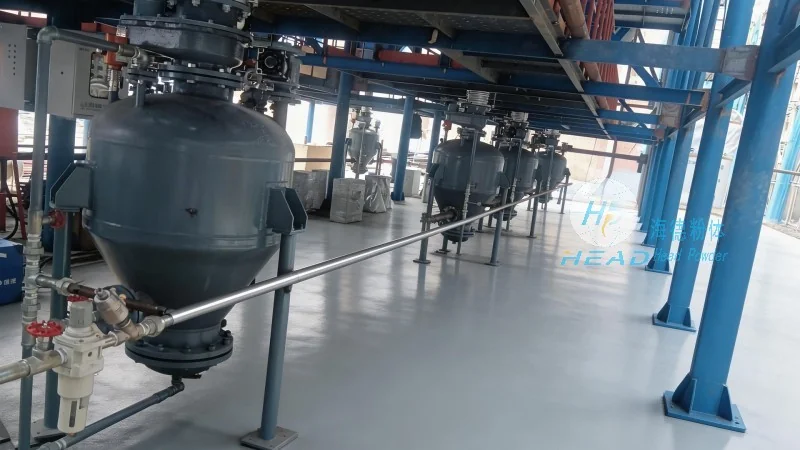
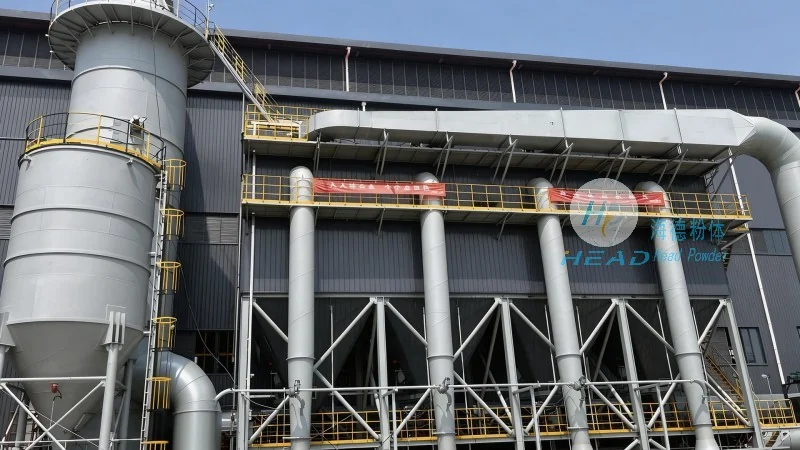
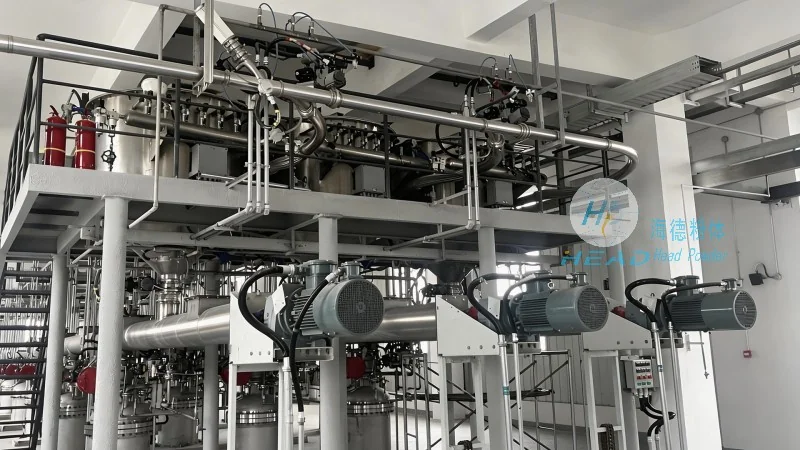
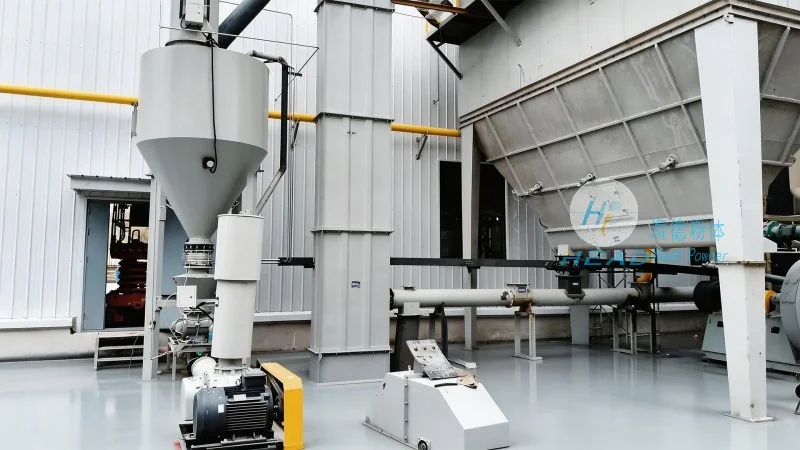
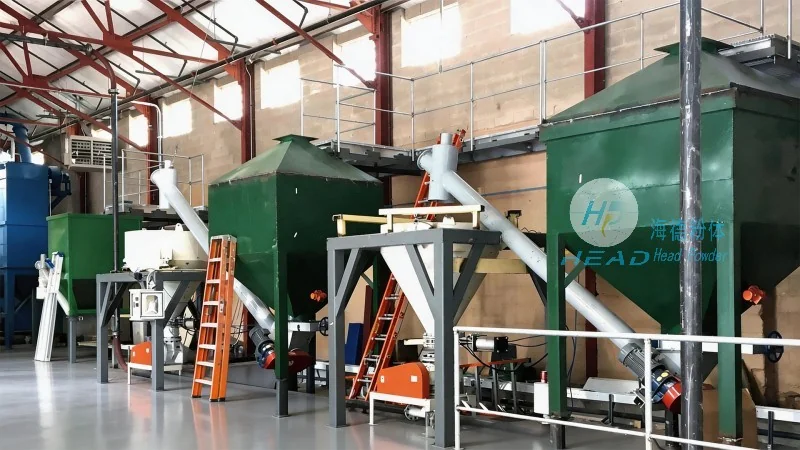
A robust Iron Oxide Pigment Conveying System is composed of several critical components that work in unison to achieve efficient material transfer. The heart of the system is the air mover, typically a high-quality centrifugal blower or a Roots blower, which generates the necessary pressure differential to move the material through the pipeline. The piping network is designed with smooth bends and appropriate diameters to minimize pressure drop and reduce wear on the system. Additionally, advanced filtration units, such as bag filters or cyclone separators, are integrated into the system to capture the pigment dust before the air is released back into the atmosphere, ensuring compliance with environmental regulations. Control panels equipped with PLC (Programmable Logic Controller) systems provide operators with real-time monitoring and automated control over the entire conveying process, enhancing operational efficiency and reducing the need for manual intervention.
When seeking a reliable partner for material handling equipment, the expertise and reputation of the manufacturer are paramount. Shandong Headpowder Engineering Co., Ltd. has established itself as a premier entity in the field of powder processing and pneumatic conveying. As a specialized Iron Oxide Pigment Pneumatic Conveying Manufacturer, the company leverages deep technical knowledge and years of practical experience to deliver superior engineering solutions. Located in Shandong, China, a hub for heavy industry and manufacturing, Headpowder benefits from a robust supply chain and a skilled workforce dedicated to innovation and quality control. The company’s commitment to excellence is reflected in its rigorous testing protocols and its ability to provide end-to-end support, from initial feasibility studies to final installation and after-sales service.
Investing in a professional pneumatic conveying system offers numerous operational benefits that directly impact the bottom line. One of the most significant advantages is the reduction in labor costs associated with manual material handling. Automated systems require minimal supervision, allowing the workforce to focus on other value-added tasks. Moreover, the enclosed nature of pneumatic conveying significantly reduces the risk of fire and explosion, a critical safety consideration when handling combustible powders like iron oxide. The systems are also highly flexible; they can easily be reconfigured or expanded to accommodate future production growth or changes in facility layout. By maintaining a clean and controlled environment, the system prevents cross-contamination between different pigment batches, which is essential for maintaining the color consistency required in high-quality paint and coating applications.
Headpowder ensures that the transition to a new conveying system is smooth and hassle-free through a structured implementation process. The process begins with a comprehensive site survey and material analysis to determine the optimal conveying parameters, such as air-to-material ratio and pressure requirements. Following the design phase, the company manufactures and assembles the system in its state-of-the-art facility, ensuring that every component meets stringent quality standards. During the installation phase, the Headpowder engineering team provides on-site supervision to ensure the system is integrated correctly with the client's existing infrastructure. Post-installation, the company offers comprehensive training to the client's operators, ensuring they are fully capable of managing and maintaining the system. This dedication to service ensures that the Iron Oxide Pigment Conveying System delivers maximum performance over its operational lifespan.
For companies looking to upgrade their material handling infrastructure or are in need of a new installation, Shandong Headpowder Engineering Co., Ltd. stands ready to assist. With a focus on customized engineering and reliable performance, Headpowder provides the expertise needed to overcome the challenges of handling iron oxide pigments. Whether you require a complete overhaul of your current system or a new design from scratch, their team of experts is equipped to deliver solutions that drive efficiency and safety. To discuss your specific project requirements or to receive a detailed quotation, please contact Manager Zhang directly. You can reach Manager Zhang via WeChat at 15662777102. Headpowder is committed to being your trusted partner in achieving seamless and efficient pigment transportation.

 Shandong Headpowder Engineering Co., Ltd.
 156-6277-7102(Manager Zhang)
  0531-83386006
  Zhangqiu District, Jinan City, Shandong Province, China
telephone
WeChatconsult
top