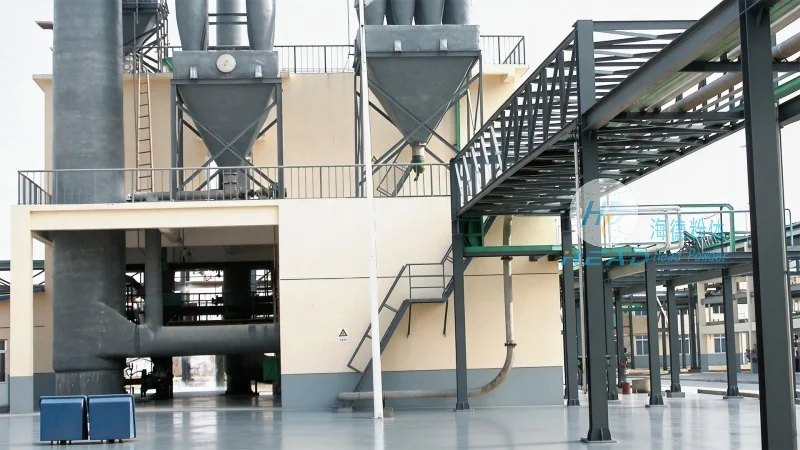
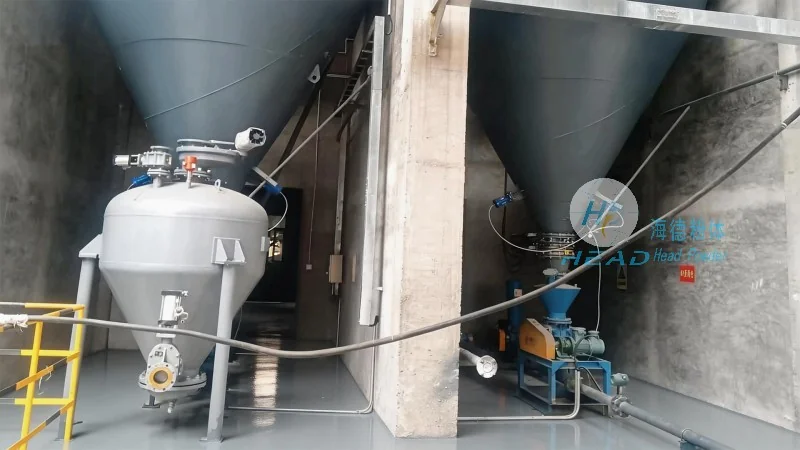
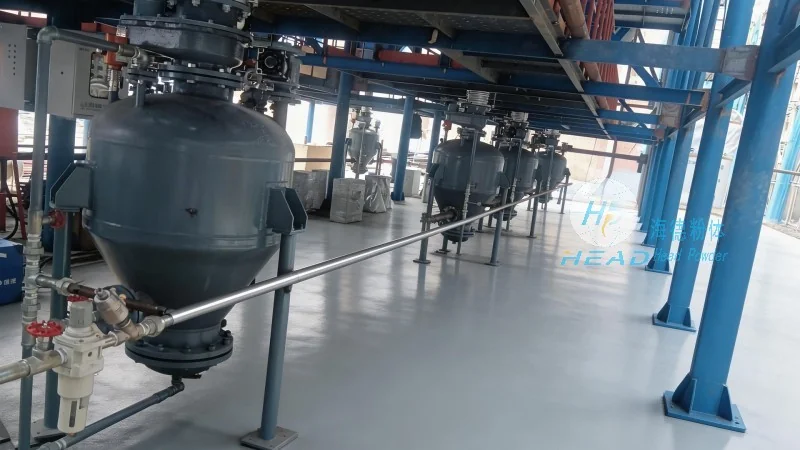
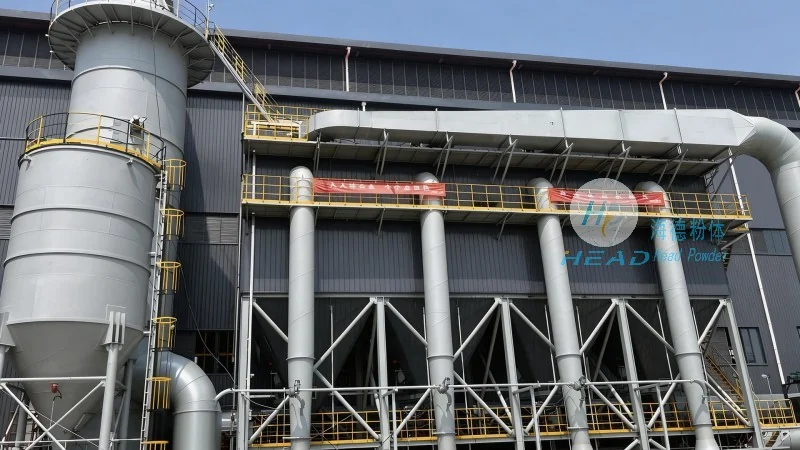
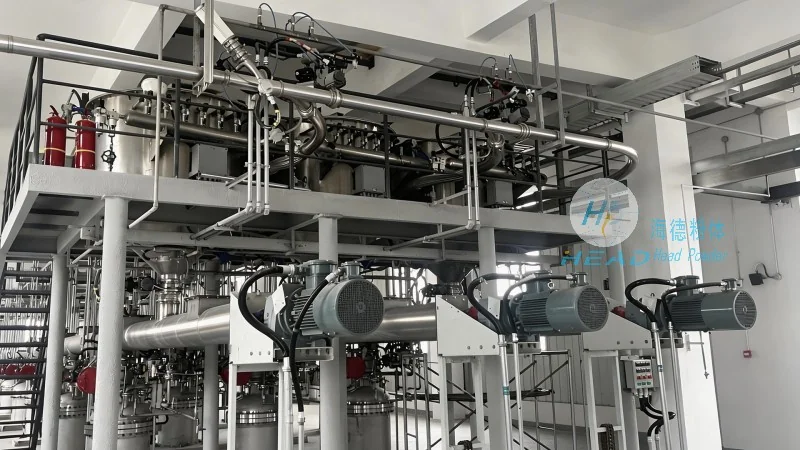
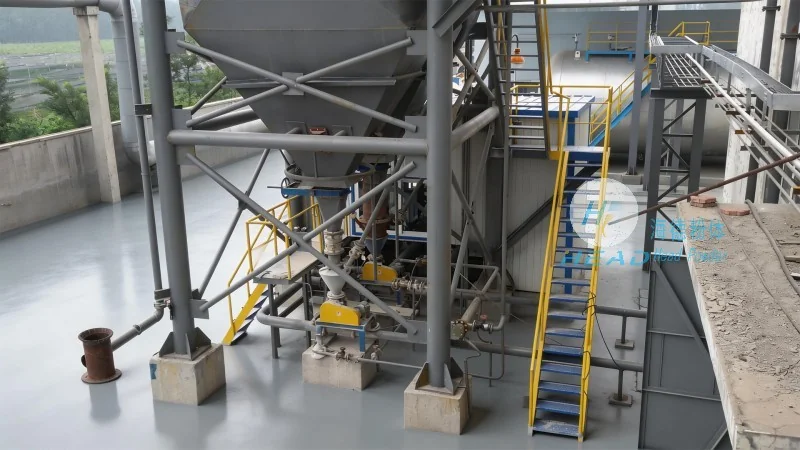
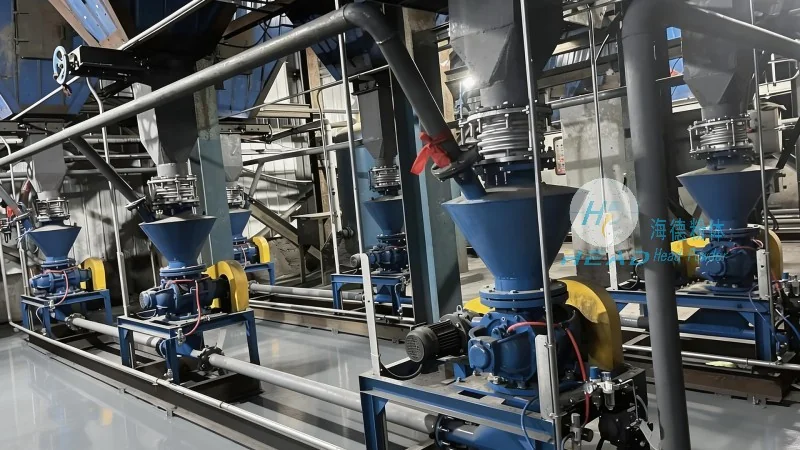
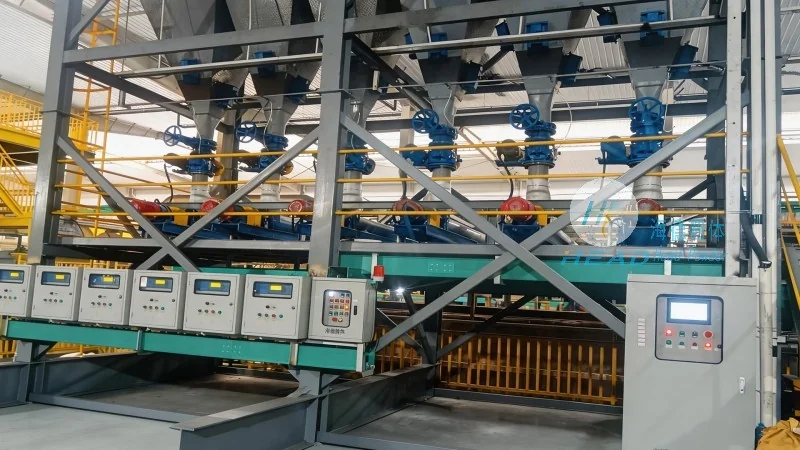
Aluminum hydroxide, also known as alumina trihydrate (ATH), is a widely used industrial powder with applications ranging from flame retardants to chemical intermediates. Its physical properties, including moderate particle size distribution, low bulk density, and abrasive characteristics, present unique challenges for material handling. A well-designed pneumatic conveying system offers a safe, efficient, and dust-free method to transport aluminum hydroxide from storage silos to processing equipment, packaging lines, or blending stations. Unlike mechanical conveyors, pneumatic systems minimize moving parts, reduce maintenance requirements, and provide flexible routing through pipes and elbows, making them ideal for complex plant layouts. However, the success of such a system depends heavily on accurate engineering data, proper component selection, and careful control of air velocity and pressure.
When developing a pneumatic conveying solution for aluminum hydroxide, the first critical step is analyzing the material's flow properties. Factors such as particle shape, moisture content, angle of repose, and cohesion directly influence whether a dilute phase or dense phase conveying approach is more suitable. ATH particles are typically irregularly shaped and can be mildly abrasive. If conveyed at excessively high velocities, the material may erode pipe bends and degrade in particle size. Therefore, the conveying velocity must be carefully optimized to maintain suspension while minimizing wear and attrition. Dense phase conveying, which operates at lower velocities and higher pressures, is often recommended for aluminum hydroxide to reduce degradation and equipment wear, especially over long distances or when the material is fragile. Conversely, dilute phase conveying may be acceptable for short runs or when the powder is free-flowing and robust.
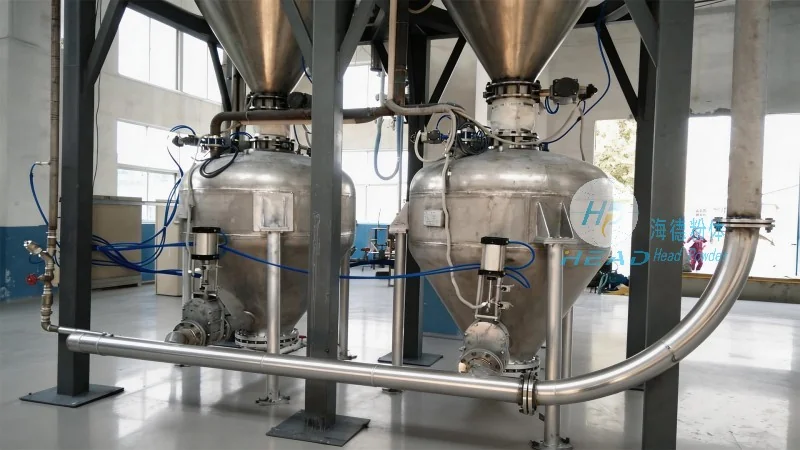
The selection of the conveying system type is not merely about velocity. It also involves pressure ratings, air mover configuration, and the geometry of the pipeline. For aluminum hydroxide, positive displacement blowers are commonly used for dilute phase systems, while screw compressors or booster valves may be employed for dense phase systems. The pipe diameter, bend radius, and number of diverters must be calculated to prevent blockages and pressure drops. Additionally, the conveying air must be properly filtered and dried to eliminate moisture, which can cause agglomeration and sticking inside the pipeline. Silo discharge aids, such as fluidizing pads or vibratory bin activators, ensure a consistent feed rate into the conveying line, preventing starvation or surging. These details are essential for achieving reliable, repeatable performance.
One of the primary advantages of a custom-engineered pneumatic conveying system for aluminum hydroxide is its ability to protect both the product and the environment. Closed-pipe conveying eliminates exposure to ambient humidity and contaminants, preserving the powder's chemical integrity. This is particularly important for flame-retardant grades where particle size and surface area must remain consistent. Furthermore, a sealed system prevents dust leakage, which is a safety hazard and a source of product loss. Explosion protection measures, such as pressure relief panels or inert gas purging, can be integrated into the design to mitigate the risk of dust explosions in accordance with ATEX or NFPA standards. By addressing these risk factors during the design phase, plant operators can achieve a safe and compliant installation.
The layout of the aluminum hydroxide conveying system must also be carefully planned. Whether the system delivers to a single process room or multiple packaging stations, the use of diverter valves and multi-port distribution enables one line to serve several destinations. This reduces equipment costs and simplifies future expansion. However, each diversion point adds pressure loss, so the pneumatic calculation must account for the entire flow path. Additionally, the conveying line should be as straight as possible, with long-radius elbows where changes in direction are unavoidable. The use of wear-resistant materials, such as ceramic-lined bends or hardened steel pipes, significantly extends the service life of the system. These choices directly influence operational efficiency and total cost of ownership.
Automation and control are integral to modern aluminum hydroxide conveying systems. Programmable logic controllers (PLCs) monitor material level in hoppers, pressure in the line, and air flow rates in real time. This data enables the system to adjust feed speed, air flow, and valve timing automatically to maintain optimal conditions. For example, if a downstream machine is temporarily stopped, the PLC can pause the conveying line and resume it once the machine is ready, preventing overfill or line blockage. Remote monitoring via Supervisory Control and Data Acquisition (SCADA) systems provides even greater visibility, allowing operators to inspect all key parameters from a central control room. Advanced diagnostics alert maintenance teams to potential wear or performance drift before a breakdown occurs, reducing unplanned downtime and improving productivity.
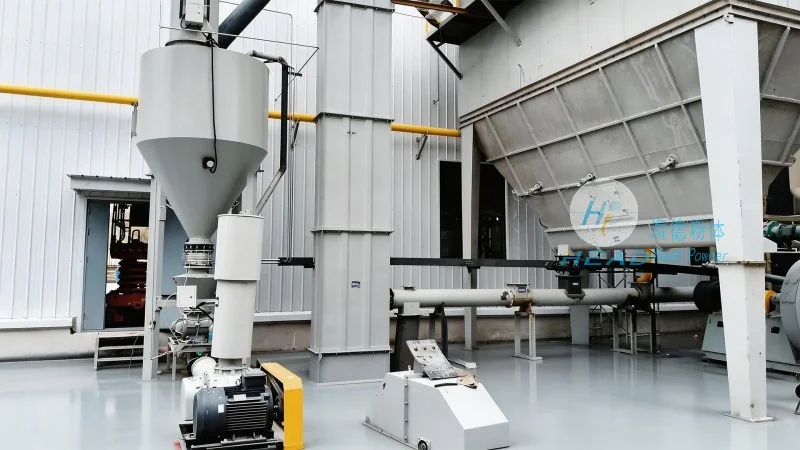
For plants that handle multiple grades of aluminum hydroxide, the conveying system must be designed for rapid cleaning or inerting to avoid cross-contamination. This can be achieved through line purging, where short bursts of high-velocity air clear the pipeline after a batch, or by using compact filter receivers with quick-release closures. The use of stainless steel contact surfaces and sanitary finishes further simplifies washdown procedures. Additionally, the receiver and filter units should be sized to manage the required volumetric flow rate without excessive pressure build-up. Bag filters or cartridge filters with pulse-jet cleaning mechanisms are typically incorporated at receiving bins to separate the powder from the conveying air. Proper filter selection prevents dust carry-over and ensures that the pressure drop remains within acceptable limits, thereby sustaining energy efficiency.
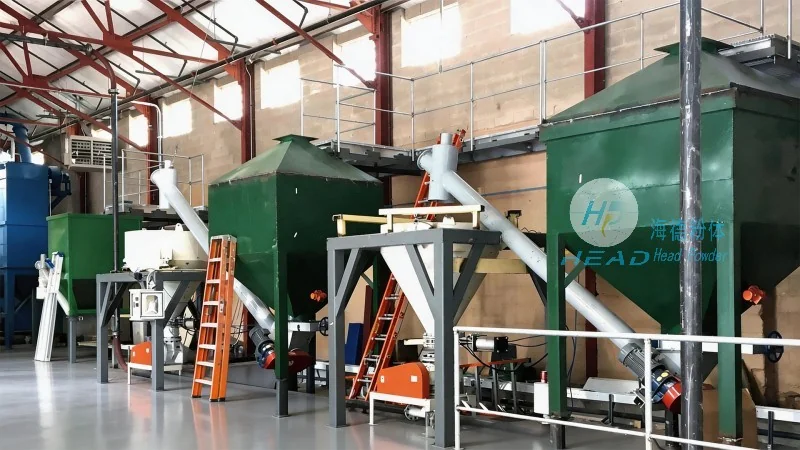
Another crucial aspect is the integration of the conveying system with existing plant infrastructure. The design must account for upstream processes, such as a rotary valve from a dryer or a screw conveyor from a grinding mill, and downstream processes, like bag filling stations or storage silos. Upstream and downstream interface points need isolation valves to permit safe maintenance. Structural supports for the pipeline, flexible connections to vessels, and access platforms appropriate for valve servicing must be included in the layout. Electrical and instrumentation components should also be selected for hazardous or dusty environments if the area is classified. A unified design that considers the full production flow avoids bottlenecks and ensures that the conveying system performs as a seamless part of the overall process.
Transporting aluminum hydroxide over long distances through pneumatic conveying is often more economical than trucking or manual handling, especially when multiple points of use are spread across a facility. This is because the pipeline can be routed overhead, through walls, or beneath floors, without taking up valuable floor space. The initial investment in a pneumatic system is offset by lower labor costs, reduced material loss, and improved plant hygiene. Moreover, the ability to move powder continuously rather than in batches increases throughput and supports just-in-time production requirements. With careful economic analysis, the payback period for a well-designed system is typically short, making it a sound capital expenditure for particle size sensitive applications.
Maintenance programs for aluminum hydroxide pneumatic conveying systems should focus on wear-prone areas such as elbows, diverter valves, and rotary airlocks. A scheduled inspection cycle, including ultrasonic thickness testing of pipe sections, can identify thinning before a breach occurs. The air moving equipment also requires periodic checks on filters, impellers, and motor bearings. Since aluminum hydroxide can be mildly abrasive, sealing elements in rotary feeders must be inspected for wear. Lubrication of moving parts according to manufacturer guidelines ensures smooth operation. Properly maintained systems experience fewer failures and retain consistent conveying speeds. Training for maintenance personnel is equally important, as they must understand the unique flow characteristics of aluminum hydroxide and the appropriate troubleshooting procedures for any process deviation.
Safety should never be an afterthought when handling aluminum hydroxide. Although it is non-toxic, its dust can be irritating to the respiratory tract, and at high concentrations it may form an explosive atmosphere in the presence of an ignition source. Therefore, the entire conveying system should be grounded to prevent static electricity accumulation. Conductive or anti-static filter media and pipe materials are recommended. Dust collectors at venting points ensure that clean air exits the system. In cases where a high pressure may accumulate, rupture discs or pressure relief valves should be installed. The control logic should include interlocking sequences to stop the feeding device if the air flow drops below a safe margin or if the pressure becomes too high. Adhering to local industrial safety regulations and international standards such as ISO 12100 is essential for a compliant and fully operational plant.
Choosing the right partner for an aluminum hydroxide pneumatic conveying solution is as important as the hardware itself. An experienced engineering company will conduct a comprehensive material test, including shear tests, angle of repose measurements, and conveying trials. These tests provide the basis for scale-up calculations, ensuring that the system performs reliably from the first day. The supplier should also offer a detailed system layout, P&ID diagrams, and lifecycle support for installation, commissioning, and training. A knowledgeable vendor will guide clients through the available options, from dense phase pressure vessels to venturi-based induction systems, and explain the advantages and limitations of each. With the right expertise, the final system becomes a valuable asset that enhances production efficiency and product quality.
As industries continuously seek higher efficiency and lower energy consumption, innovations in pneumatic conveying technology are being applied to aluminum hydroxide handling. For example, variable-speed drives on fans and screw feeders allow the conveying velocity to be adjusted dynamically, saving energy during part-load operation. Advanced flow sensors and real-time simulation tools enable predictive control, preventing blockages before they happen. The development of more durable materials, such as high-alumina ceramics and bimetal composites, further extends equipment life in abrasive service. These improvements contribute to a more sustainable operation by reducing maintenance waste and operator exposure. Companies that upgrade their conveying systems with these modern technologies gain a competitive edge in process reliability and cost control.
Ultimately, the specification of a pneumatic conveying system for aluminum hydroxide is not a one-size-fits-all solution. Each plant has its own production capacity, distance requirements, material specifications, and site constraints. A customized approach is therefore necessary to optimize performance, safety, and total cost of ownership. By focusing on material characterization, precise air flow control, robust construction, and intelligent automation, a tailor-made conveying system can handle fragile powders like aluminum hydroxide with minimal degradation and maximum uptime. This is where the expertise of a specialized system integrator proves invaluable. From initial concept to final commissioning, every stage of the project must be managed with attention to detail and a deep understanding of powder handling fundamentals.
In summary, reliable aluminum hydroxide pneumatic conveying is achieved through a combination of thoughtful engineering, appropriate material selection, and reliable controls. The chemical and abrasive properties of ATH demand a system that is gentle yet robust, efficient yet safe. Dense phase systems are often favored for fragile materials, while dilute phase systems serve simpler applications. Customization is critical to address the unique parameters of each installation. With proper design and maintenance, pneumatic conveying provides an effective, clean, and automated method for transferring aluminum hydroxide in any processing facility.
Shandong Headpowder Engineering Co., Ltd.
156-6277-7102(Manager Zhang)
0531-83386006
Zhangqiu District, Jinan City, Shandong Province, China 

telephone
WeChatconsult
top