With more than 10‑year industry experience, Shandong Headpowder delivers full‑service pneumatic‑conveying systems and blowers, undertaking nationwide turn‑key powder‑handling projects.
For industrial applications involving bead sand, efficient and reliable powder conveying systems are crucial to ensure smooth production processes. This article provides an overview of bead sand powder conveying systems, focusing on their structural design and operational principles, while highlighting the expertise of Shandong HeadPowder Engineering Co., Ltd. as a leading provider in the field.
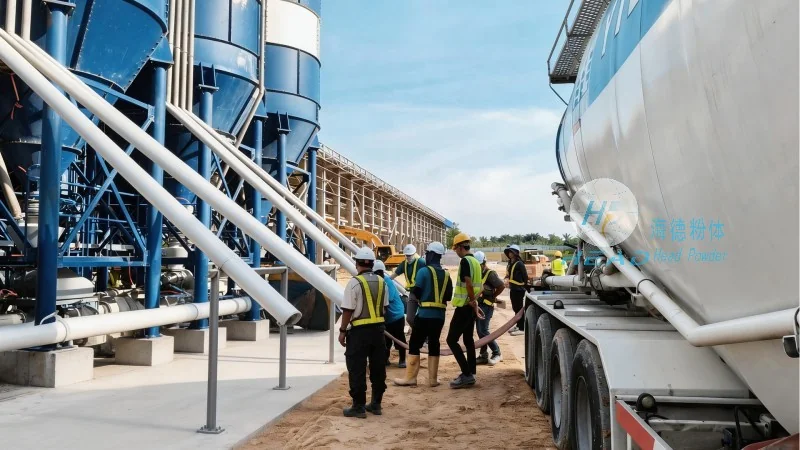
Before delving into the specifics of the conveying mechanisms, it is essential to understand the nature of bead sand. Bead sand, also known as glass bead sand, is a type of abrasive material commonly used in surface finishing processes such as sandblasting and polishing. These fine particles require specialized handling to prevent dust generation and ensure consistent material flow. The conveying systems designed for bead sand must address these challenges while maintaining high efficiency and low maintenance costs.
The core components of a bead sand powder conveying system typically include a hopper for material storage, a feeder to regulate the flow rate, a conveying pipe or duct, and a control unit to manage the entire operation. The hopper is designed with a sloped bottom to facilitate material discharge, often equipped with a vibration or agitation system to prevent caking and ensure uniform flow. The feeder, which may be a rotary valve or a screw feeder, controls the amount of bead sand released into the conveying line, preventing overloading and maintaining a steady flow rate. The conveying pipe is usually made of corrosion-resistant materials such as stainless steel or polyethylene to handle the abrasive nature of bead sand and minimize wear. The control unit integrates sensors and actuators to monitor pressure, flow rate, and other parameters, allowing for real-time adjustments to optimize performance.
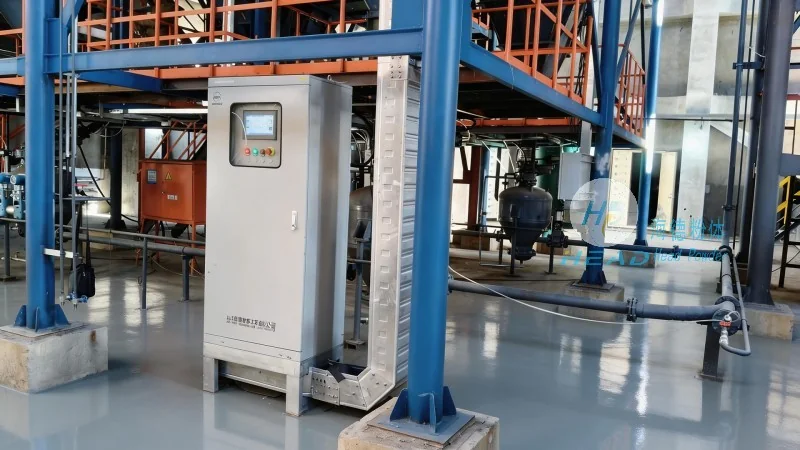
Many bead sand powder conveying systems utilize air-driven (pneumatic) conveying technology, which is particularly effective for fine powders like bead sand. This method involves transporting the material using compressed air, creating a flow that carries the particles through the conveying line. The principle of operation is based on the creation of a pressure differential between the inlet and outlet of the system. As compressed air is introduced at the inlet, it creates a low-pressure zone that draws the bead sand particles into the pipe. The air flow then propels the material forward, maintaining a consistent velocity to prevent particle separation or settling. The system may include features such as cyclone separators or filters at the outlet to separate the bead sand from the air, ensuring that the material is collected efficiently and the air is discharged clean.
Compared to mechanical conveying methods, air-driven systems offer several advantages for bead sand handling. First, they eliminate the need for moving parts in contact with the abrasive material, reducing wear and extending the service life of the equipment. Second, the pneumatic design allows for flexible system layouts, as the conveying lines can be installed in various configurations without the constraints of mechanical components. Third, air-driven systems provide better control over the flow rate and pressure, enabling precise regulation of the bead sand delivery to downstream processes. Additionally, these systems are generally more energy-efficient than mechanical alternatives, as they use compressed air to move the material rather than mechanical force.
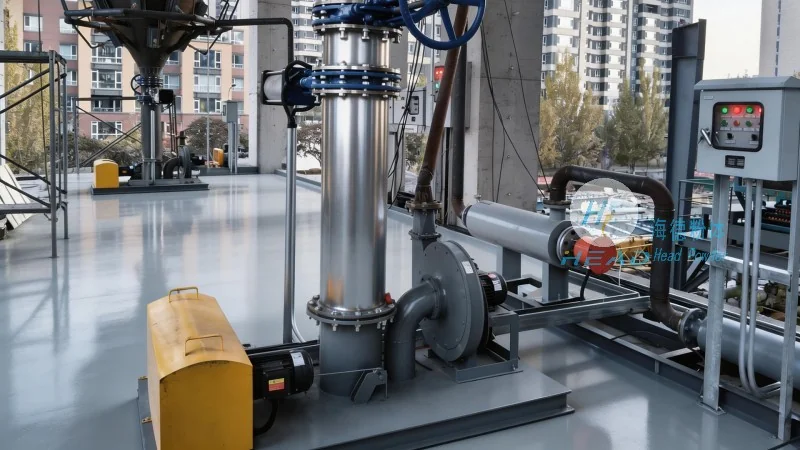
The bead sand powder conveying systems developed by Shandong HeadPowder Engineering Co., Ltd. are widely used in various industries that rely on bead sand for surface finishing. These include automotive manufacturing, where bead sand is used for paint and coating preparation; aerospace, for cleaning and polishing of aircraft components; and electronics, for surface treatment of printed circuit boards. The systems are also utilized in the construction industry for sandblasting of concrete and metal surfaces, as well as in the glass and ceramics sectors for finishing and polishing operations. By providing tailored solutions for these applications, HeadPowder ensures that customers receive systems that meet their specific operational requirements and maintain high standards of performance.
HeadPowder understands that each industrial application has unique requirements, and therefore, offers customized powder conveying solutions to meet the specific needs of clients. The company provides comprehensive design and engineering services, working closely with customers to develop systems that optimize material flow, minimize downtime, and reduce operational costs. Additionally, HeadPowder offers maintenance and support services to ensure that the conveying systems operate at peak efficiency throughout their service life. The company’s technical team provides regular inspections, component replacement, and troubleshooting to address any issues that may arise, ensuring that customers can rely on their equipment for consistent performance.

 Shandong Headpowder Engineering Co., Ltd.
 156-6277-7102(Manager Zhang)
  0531-83386006
  Zhangqiu District, Jinan City, Shandong Province, China
telephone
WeChatconsult
top