With more than 10‑year industry experience, Shandong Headpowder delivers full‑service pneumatic‑conveying systems and blowers, undertaking nationwide turn‑key powder‑handling projects.
Lightweight aggregate pneumatic conveying systems represent a sophisticated technology designed to efficiently transport bulk materials, particularly lightweight aggregates, through an air-driven process. These systems are integral to various industrial applications, offering advantages such as reduced material handling costs, enhanced safety, and improved operational flexibility. This overview provides a detailed introduction to the equipment involved and the structural principles underlying these systems, tailored for professionals seeking to understand or implement such solutions.
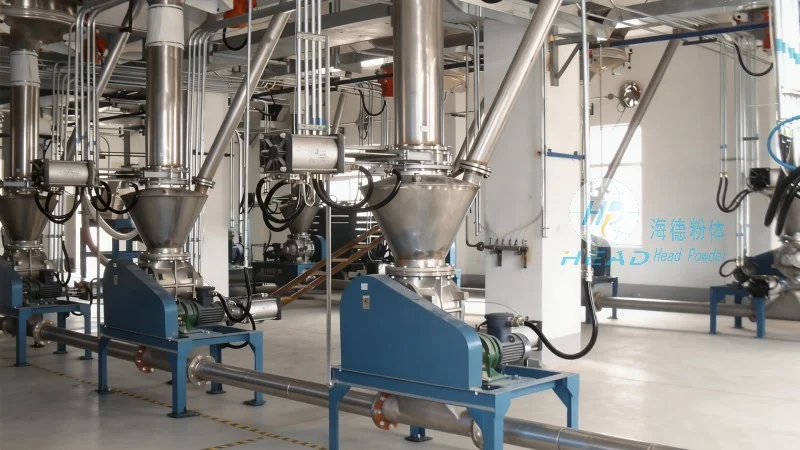
The core components of a lightweight aggregate pneumatic conveying system include the material hopper, air compressor, conveying pipeline, and discharge unit. The material hopper serves as the storage and feeding mechanism, ensuring a consistent supply of lightweight aggregates to the system. It is typically equipped with a feeder, such as a rotary valve or screw feeder, which regulates the flow rate of the material into the pipeline. The air compressor generates the necessary pressure and airflow to move the material through the system. This component can be either a positive displacement blower or a centrifugal fan, depending on the system's requirements. The conveying pipeline, usually made of stainless steel or other corrosion-resistant materials, transports the material and air mixture. The pipeline design considers factors like material density, flow rate, and system length to optimize performance. The discharge unit, often a receiver or a silo, collects the conveyed material at the destination point, allowing for further processing or storage.
The fundamental principle of pneumatic conveying is the use of air to create a flow that transports solid particles. This process can be categorized into two main types: dilute phase and dense phase. Dilute phase conveying operates at higher air velocities, typically above 20 m/s, where the material is suspended in the air stream. This method is suitable for short to medium distances and low to medium material loads. Dense phase conveying, on the other hand, uses lower air velocities and higher material concentrations, often operating at air velocities between 5 to 15 m/s. This approach is ideal for longer distances and higher material loads, as it reduces the risk of material degradation and pipeline blockages. The structural design of the system, including the pipeline layout, bends, and fittings, plays a crucial role in maintaining the desired flow characteristics. Properly designed bends and elbows minimize pressure losses and prevent material deposition, ensuring smooth operation.
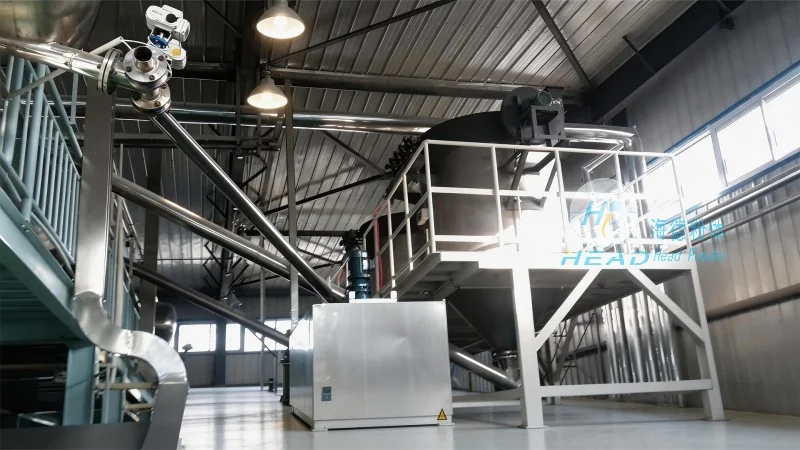
Lightweight aggregate pneumatic conveying systems offer several advantages over traditional mechanical conveying methods. These include reduced labor costs, as the system automates the material handling process, and enhanced safety, as there are no moving parts in direct contact with the material. Additionally, the systems are compact and can be installed in confined spaces, making them suitable for various industrial settings. The applications of these systems span multiple industries, including construction, where lightweight aggregates are used in concrete production, and manufacturing, where they are used in the production of insulation materials. The systems are also employed in the food and pharmaceutical industries for transporting bulk powders and granules, where hygiene and material purity are critical.
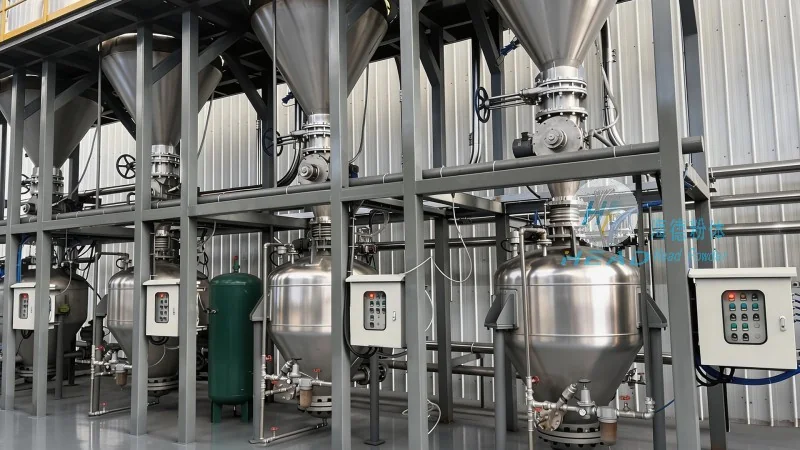
Effective operation of a lightweight aggregate pneumatic conveying system requires careful consideration of several factors. The selection of the appropriate air compressor and pipeline diameter is essential to ensure optimal performance. Regular maintenance is crucial to prevent system failures and maintain efficiency. This includes checking the air compressor for wear and tear, cleaning the pipeline to remove accumulated material, and inspecting the feeder for any blockages or malfunctions. Proper maintenance schedules, as recommended by the manufacturer, help extend the system's lifespan and reduce downtime. Additionally, monitoring the system's pressure and flow rates during operation allows for timely adjustments, ensuring consistent material delivery.
Shandong HeadPowder Engineering Co., Ltd., operating under the brand name headpowder, is a leading manufacturer of pneumatic conveying systems and related equipment. With a focus on innovation and quality, the company provides customized solutions tailored to the specific needs of its clients. Headpowder's expertise lies in designing and manufacturing systems that meet the highest standards of efficiency and reliability. The company's products are widely used in various industries, contributing to improved operational performance and cost savings for its customers. Headpowder is committed to providing exceptional service and support, ensuring that its clients receive the best possible solutions for their material handling challenges.

 Shandong Headpowder Engineering Co., Ltd.
 156-6277-7102(Manager Zhang)
  0531-83386006
  Zhangqiu District, Jinan City, Shandong Province, China
telephone
WeChatconsult
top