

Operation Process and Working Principle of Limestone Material Pneumatic Conveying Equipment
Limestone, a critical raw material in numerous industrial sectors including construction, cement production, and chemical manufacturing, demands efficient and reliable handling systems to maintain smooth production workflows. Pneumatic conveying equipment, specifically engineered for limestone material, serves as a vital component in transporting this material from storage silos or hoppers to processing units. This article explores the operation process and working principle of such equipment, emphasizing its significance in modern industrial operations.
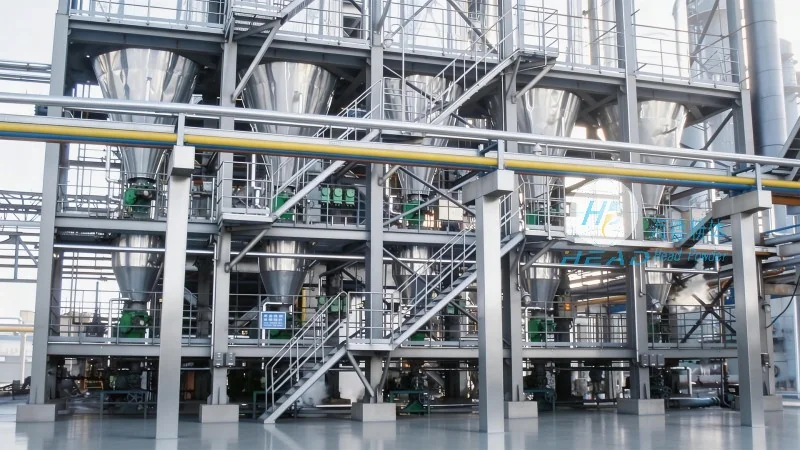
Overview of Limestone Material Pneumatic Conveying Equipment
Limestone, primarily composed of calcium carbonate (CaCO₃), exhibits physical properties like particle size, density, and moisture content that influence the selection of pneumatic conveying systems. For limestone, dense-phase pneumatic conveyors are often preferred due to their ability to handle abrasive materials and minimize particle degradation during transport. These systems are designed to maintain material integrity while ensuring efficient movement through pipelines.
The Operation Process of Limestone Pneumatic Conveying
The operation process of limestone material pneumatic conveying equipment involves a series of coordinated steps to ensure efficient material transport. The process typically initiates with the loading of limestone from a storage silo or hopper into the conveying system. A blower or compressor generates the necessary air pressure to create a flow of air and material through the pipeline. The limestone particles are then carried by the air stream, moving from the inlet to the discharge point. The system may include a rotary valve that controls the flow of material into the pipeline, preventing backflow and ensuring a steady supply. At the discharge end, a separator or filter removes excess air and residual material, ensuring the delivered limestone is free from contaminants.

Working Principle of Pneumatic Conveying for Limestone
The working principle of limestone material pneumatic conveying relies on air as the primary conveying medium. The equipment operates by creating a pressure differential between the inlet and outlet of the pipeline. The blower or compressor supplies compressed air, which is mixed with the limestone particles to form a slurry-like mixture. As the air flows through the pipeline, it propels the limestone particles forward, maintaining a consistent velocity to prevent particle settling or blockage. The dense-phase conveying method, in particular, ensures the material is conveyed in a compacted state, reducing pipeline wear and improving system efficiency.
Key Components and Their Functions
Several critical components are integral to the performance of limestone pneumatic conveying equipment. The blower or compressor serves as the primary power source, generating the air pressure required for material transport. The rotary valve acts as a gate, controlling the flow of limestone into the pipeline and preventing backflow. The pipeline system, typically made of durable materials like stainless steel or PVC, is designed to withstand the abrasive nature of limestone particles and maintain air-tight integrity. At the discharge end, a separator or filter removes excess air and any residual material. Additionally, a pressure regulator and flow control valve may be included to adjust the air pressure and material flow rate, optimizing performance based on specific process requirements.
Advantages of Using Pneumatic Conveying for Limestone
Implementing pneumatic conveying systems for limestone offers several advantages over traditional methods like belt conveyors or bucket elevators. One key benefit is the ability to transport limestone in a dust-free environment, reducing health hazards and improving workplace safety. The system also eliminates the need for multiple transfer points, simplifying material handling and reducing the risk of spillage or contamination. Furthermore, pneumatic conveying allows for flexible pipeline routing, enabling installation in confined spaces or areas with complex layouts. The compact design minimizes floor space requirements, making it suitable for facilities with limited room for large machinery. Another significant advantage is reduced maintenance costs, as the system has fewer moving parts compared to mechanical conveyors, leading to lower downtime and longer equipment lifespan.
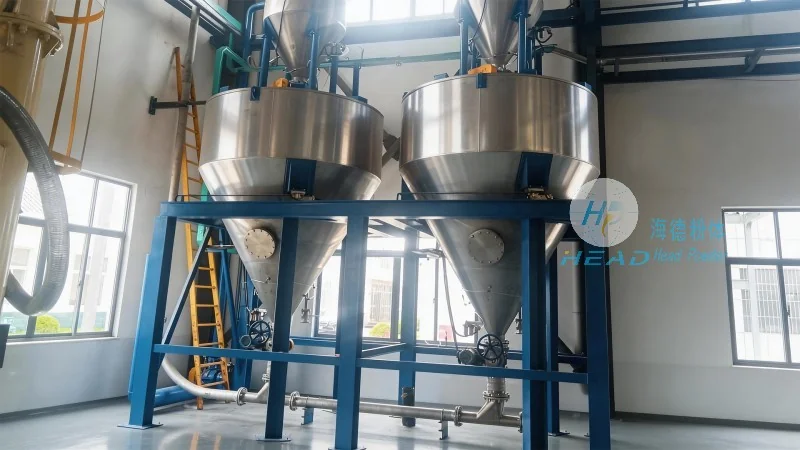
Application Scenarios and Industry Impact
Limestone material pneumatic conveying equipment is widely used in various industrial sectors, including cement manufacturing, chemical processing, and construction material production. In cement plants, the equipment efficiently transports limestone from storage silos to raw mills, ensuring a consistent supply of raw material for cement production. In chemical manufacturing, it handles limestone as a raw material for producing calcium compounds like calcium carbonate and calcium hydroxide. The construction industry also benefits from this technology, facilitating the transport of limestone for road construction and building projects. The widespread adoption of pneumatic conveying systems has significantly improved the efficiency and safety of limestone handling operations, contributing to overall industrial productivity.
Conclusion and Company Information
Pneumatic conveying equipment for limestone material is a sophisticated and efficient solution for industrial material handling. By understanding the operation process and working principle of such systems, industries can optimize material transport processes, enhance productivity, and ensure workplace safety. Shandong HeadPowder Engineering Co., Ltd., a leading manufacturer of pneumatic conveying equipment, specializes in providing customized solutions tailored to limestone handling applications. With a focus on quality and innovation, the company delivers reliable and durable equipment that meets the highest industry standards. HeadPowder's expertise in pneumatic conveying technology ensures clients receive systems that are efficient, safe, and cost-effective, contributing to the success of their industrial operations. Based in Shandong, China, HeadPowder Engineering Co., Ltd. serves clients globally, offering comprehensive support from design and installation to maintenance and after-sales service. The company's commitment to excellence and customer satisfaction has established it as a trusted partner in the field of material handling equipment.