With more than 10‑year industry experience, Shandong Headpowder delivers full‑service pneumatic‑conveying systems and blowers, undertaking nationwide turn‑key powder‑handling projects.
Artificial graphite material conveying lines are critical components in industrial operations, particularly in the processing and handling of artificial graphite materials. These systems are engineered to efficiently transport raw or processed graphite, ensuring smooth and reliable material flow throughout the production process. As a key element in modern manufacturing workflows, understanding the working principle and distinctive features of such conveying lines is essential for optimizing operational efficiency and maintaining product quality. The primary goal of these systems is to facilitate the seamless movement of graphite from initial stages, such as raw material reception, through various processing steps, to final packaging or storage. This efficiency is vital for industries that rely on consistent and high-quality graphite supply, as any disruption in material handling can lead to production delays and increased costs.
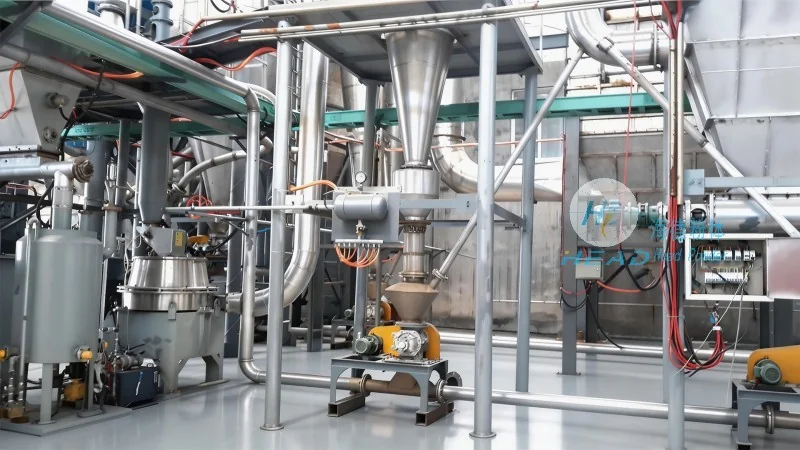
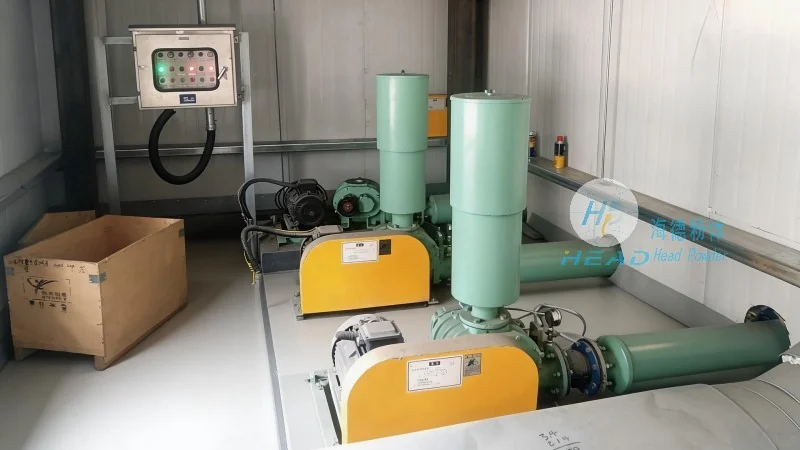
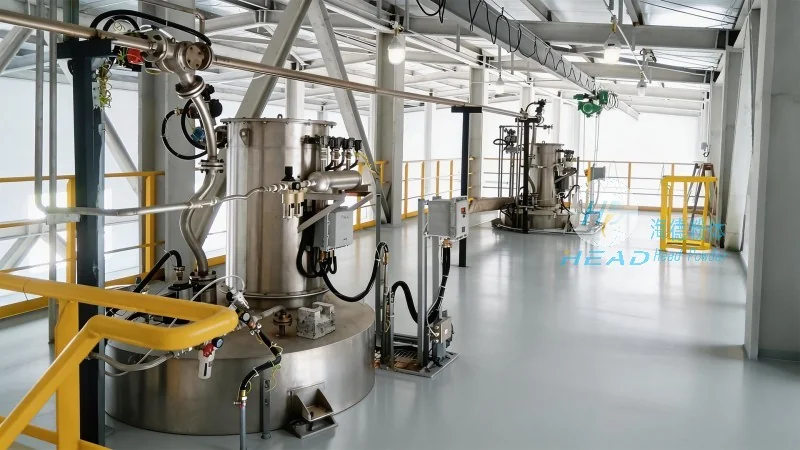
The working principle of artificial graphite material conveying lines typically involves a series of interconnected mechanisms that work in unison to move graphite materials. The process begins with the loading of graphite material into a hopper or feeder, which acts as the initial storage and feeding unit. The feeder then regulates the flow of material into the conveyor system, ensuring a consistent and controlled feed rate. Depending on the specific application, different types of conveyors may be employed, including belt conveyors, screw conveyors, or pneumatic conveyors. Belt conveyors are commonly used for bulk material transport over longer distances, while screw conveyors are ideal for vertical or inclined material movement. Pneumatic conveyors, on the other hand, use air pressure to transport fine or dusty graphite particles, making them suitable for applications requiring dust-free handling. The conveyor system then transports the material through a series of processing stages, such as screening, sorting, or mixing, before the final output is collected. A centralized control system monitors and adjusts the flow rate, ensuring that the material moves at the optimal speed for each stage. This integrated approach allows for precise control over the material handling process, minimizing downtime and maximizing productivity. The entire system is designed to handle the abrasive and high-density nature of artificial graphite, with components constructed from durable materials like stainless steel or specialized alloys to withstand wear and tear. Additionally, the system incorporates energy-efficient motors and variable speed drives to optimize power consumption, reducing operational costs and minimizing environmental impact.

 Shandong Headpowder Engineering Co., Ltd.
 156-6277-7102(Manager Zhang)
  0531-83386006
  Zhangqiu District, Jinan City, Shandong Province, China
telephone
WeChatconsult
top