

Operation Process and Working Principle of Dry Soybean Powder Pneumatic Conveying Equipment
Shandong HeadPowder Engineering Co., Ltd., a leading manufacturer in the field of pneumatic conveying systems, specializes in providing efficient and reliable solutions for transporting dry powder materials such as soybean powder. This article delves into the operation process and working principle of their dry soybean powder pneumatic conveying equipment, highlighting the key components, operational steps, and technical aspects that ensure optimal performance in industrial applications.
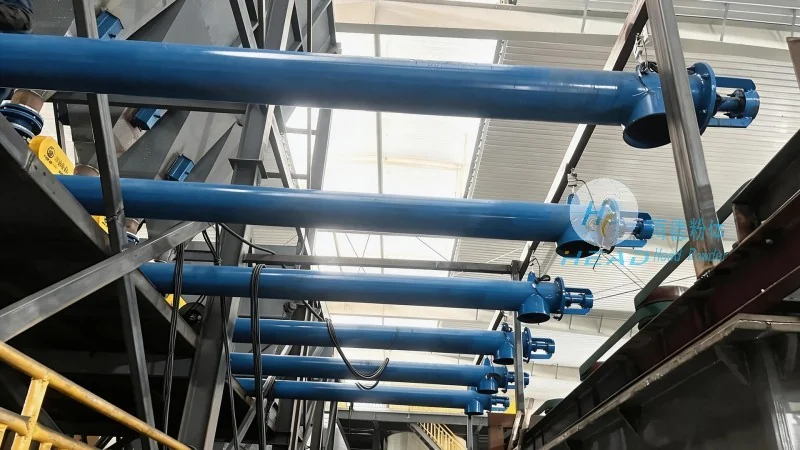
Overview of Dry Soybean Powder Pneumatic Conveying Equipment
The dry soybean powder pneumatic conveying equipment is a specialized system designed to handle bulk dry powder materials like soybean powder. It is engineered to transport these materials from a storage silo or hopper to processing units or packaging areas without the need for mechanical components that might cause contamination or material degradation. The system operates on the principle of air flow, utilizing compressed air to move the powder through a network of pipes and ducts. This method offers a hygienic, dust-free, and efficient alternative to traditional mechanical conveying, making it ideal for food processing and other industries where product purity is paramount.
Key Components and Their Functions
The dry soybean powder pneumatic conveying equipment consists of several critical components, each playing a vital role in the overall operation. These include the material hopper, air compressor, air filter, conveying pipes, control valves, and the receiving hopper. The material hopper is where the dry soybean powder is stored, and it is equipped with a feed valve to regulate the flow of powder into the system. The air compressor generates the necessary pressure to create the air flow that propels the powder particles. The air filter ensures that the compressed air is clean, preventing contaminants from entering the system and affecting the quality of the soybean powder. The conveying pipes form the main pathway for the powder and air mixture, while the control valves manage the flow rate and direction of the air and powder. The receiving hopper collects the transported soybean powder at the destination point. Each component is carefully designed to work in tandem, ensuring smooth and consistent material transport.
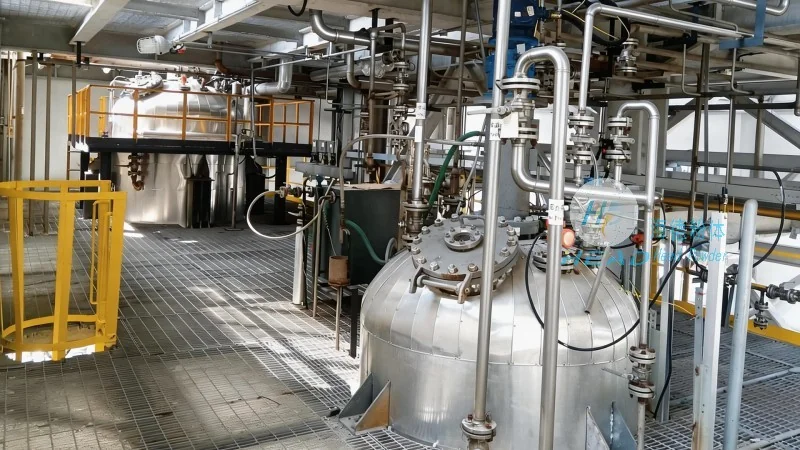
Operation Process of the Pneumatic Conveying System
The operation of the dry soybean powder pneumatic conveying equipment follows a systematic process that ensures consistent and efficient material transport. The process begins with the loading of dry soybean powder into the material hopper. Once the hopper is filled, the feed valve is opened, allowing the powder to fall into the conveying line. Simultaneously, the air compressor starts, generating compressed air that flows through the air filter and into the conveying pipes. The compressed air creates a low-pressure zone in the conveying line, which draws the soybean powder particles into the air stream. As the powder particles are entrained by the air, they are carried through the pipes to the receiving hopper. The control valves adjust the air pressure and flow rate to maintain a stable conveying rate, preventing issues such as clogging or excessive pressure. The receiving hopper collects the transported soybean powder, which can then be further processed or packaged. The entire process is automated, with sensors and controls monitoring the system to ensure smooth operation and detect any potential issues. This automation minimizes human intervention, reduces labor costs, and enhances operational reliability.
Working Principle of Pneumatic Conveying
The working principle of the dry soybean powder pneumatic conveying equipment is based on the fundamental concept of fluidization and particle transport. When compressed air is introduced into the conveying pipes, it creates a turbulent flow that suspends the soybean powder particles in the air stream. This process, known as pneumatic conveying, allows the powder to be transported without direct contact with mechanical components, reducing the risk of contamination and material degradation. The key to efficient pneumatic conveying is maintaining the correct air-to-powder ratio, which ensures that the powder particles are fully entrained and transported without settling or clogging the pipes. The system uses positive pressure or negative pressure (or a combination of both) depending on the application requirements. Positive pressure systems are commonly used for short-distance transport, while negative pressure systems are suitable for longer distances or when the material needs to be transported from multiple sources to a single destination. The choice of pressure type depends on factors such as the distance between the source and destination, the volume of material to be transported, and the need to prevent dust emissions.
Advantages of Using Dry Soybean Powder Pneumatic Conveying Equipment
Implementing a dry soybean powder pneumatic conveying system offers several advantages over traditional mechanical conveying methods. Firstly, it eliminates the need for moving parts such as screws, augers, or belts, reducing maintenance costs and minimizing the risk of equipment failure. Secondly, the system prevents contamination of the soybean powder, which is crucial for maintaining product quality and meeting regulatory standards. Thirdly, pneumatic conveying allows for flexible and scalable solutions, as the system can be easily expanded or reconfigured to accommodate changes in production volume or process requirements. Additionally, the system operates quietly and efficiently, contributing to a safer and more productive industrial environment. These advantages make the dry soybean powder pneumatic conveying equipment a preferred choice for industries that require high-purity, hygienic, and efficient material transport.
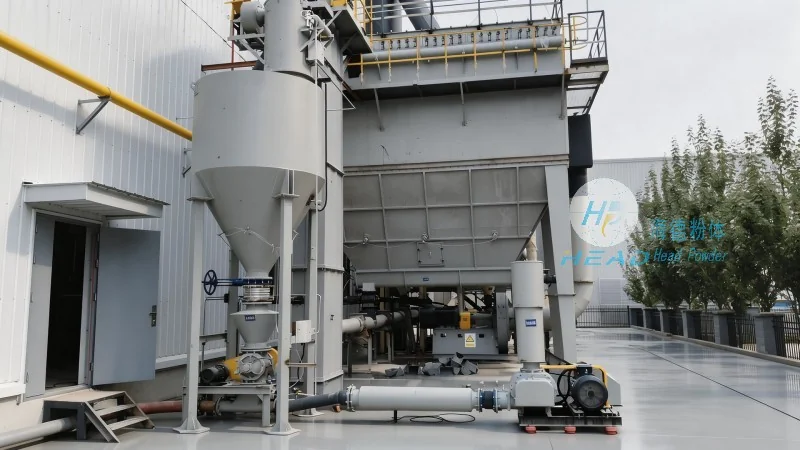
Application and Industrial Use Cases
Dry soybean powder pneumatic conveying equipment is widely used in various industries, including food processing, pharmaceuticals, and chemical manufacturing. In the food industry, it is commonly employed in the processing of soybean powder for use in soy milk, tofu, and other food products. The equipment ensures that the soybean powder is transported hygienically and efficiently from storage to processing lines, maintaining the nutritional value and quality of the product. In pharmaceutical applications, the system is used to convey powdered medications and raw materials, maintaining strict contamination control measures to ensure patient safety. In chemical industries, the equipment is utilized for transporting dry powders such as pigments, coatings, and other chemical additives, ensuring consistent quality and process reliability. The versatility of the system makes it suitable for a wide range of applications, from small-scale production to large-scale industrial operations.
Conclusion and Company Expertise
Shandong HeadPowder Engineering Co., Ltd. has established itself as a trusted provider of high-quality dry soybean powder pneumatic conveying equipment, leveraging advanced technology and engineering expertise to deliver reliable and efficient solutions. The company's commitment to innovation and customer satisfaction has enabled them to meet the diverse needs of various industries, ensuring that their equipment operates at peak performance. By understanding the operation process and working principle of their pneumatic conveying systems, users can optimize their material transport processes, reduce operational costs, and enhance overall productivity. With a focus on quality and performance, Shandong HeadPowder continues to lead the way in providing advanced pneumatic conveying solutions for the dry powder industry. Their expertise in designing and manufacturing pneumatic conveying systems ensures that clients receive tailored solutions that meet their specific requirements, contributing to improved operational efficiency and product quality.