

Operation Process and Working Principle of Coal and Coke Powder Pneumatic Conveying Systems
Coal and coke powder pneumatic conveying systems are critical components in industrial material handling, enabling efficient and reliable transport of fine powders such as coal and coke. These systems utilize air as the conveying medium to move bulk materials from one location to another, offering advantages like reduced dust generation, improved safety, and enhanced process control. Understanding the operation process and working principle of these systems is essential for optimizing performance and ensuring smooth operation in various industrial applications.
Introduction to Coal and Coke Powder Pneumatic Conveying Systems
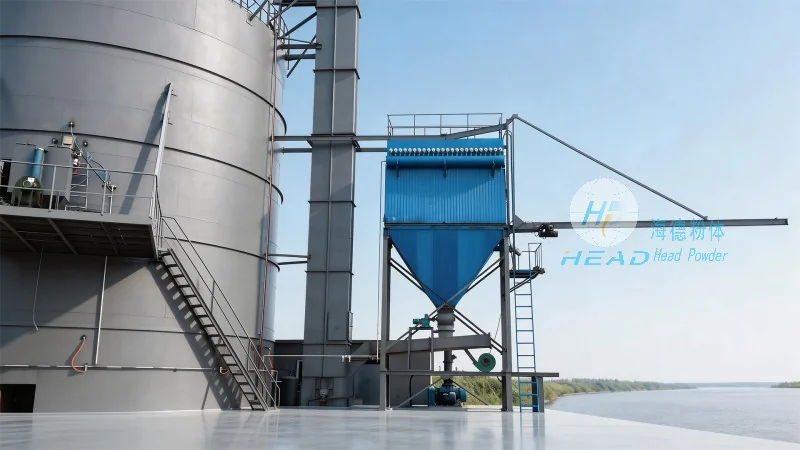
Coal and coke powder pneumatic conveying systems are engineered to handle the transportation of fine particulate materials, including coal and coke, which are commonly used in power generation, steel production, and other industrial processes. The systems are designed to efficiently move these materials from storage silos, processing units, or production lines to the next stage of the manufacturing process. Key components typically include a hopper, a blower or compressor, a pipeline system, and a receiver or discharge unit. The choice of system type—such as dilute-phase or dense-phase—depends on the material characteristics, distance of transport, and required flow rates.
Key Components and Their Functions
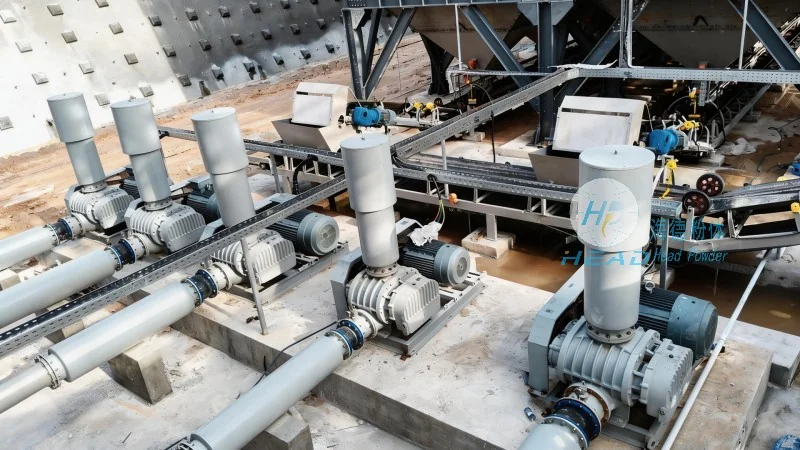
The effectiveness of a coal and coke powder pneumatic conveying system relies on the proper functioning of several key components. The hopper serves as the material storage and feeding unit, ensuring a consistent flow of powder into the system. The blower or compressor generates the necessary air pressure to move the material through the pipeline. The pipeline system, often made of stainless steel or other corrosion-resistant materials, transports the material and air mixture. The receiver or discharge unit collects the material at the destination, allowing for controlled discharge into the next process. Each component plays a vital role in maintaining the system's efficiency and preventing issues like blockages or material degradation.
Operation Process of Coal and Coke Powder Pneumatic Conveying Systems
The operation process of a coal and coke powder pneumatic conveying system involves several sequential steps. First, the material is fed from the hopper into the pipeline via a feeder or valve. Simultaneously, the blower or compressor supplies compressed air to the system, creating a pressure differential that propels the material forward. The air and material mixture travels through the pipeline at high velocity, ensuring the material is suspended and transported efficiently. At the receiving end, the material is separated from the air, often through a cyclone separator or filter, and collected in the receiver. The air is then discharged back into the environment or recirculated, depending on the system design. This process is continuous and can be adjusted to handle varying material loads and flow rates, providing flexibility in industrial operations.
Working Principle of Pneumatic Conveying Systems
The working principle of coal and coke powder pneumatic conveying systems is based on the fundamental concept of fluidization and suspension. When air is introduced into the pipeline at a sufficient velocity, it creates a turbulent flow that suspends the powder particles, allowing them to be carried along with the air stream. This suspension prevents the material from settling or clogging the pipeline, which is a common issue in traditional mechanical conveying systems. The pressure and velocity of the air are carefully controlled to match the material's properties, such as particle size, density, and moisture content. For dilute-phase systems, the material is dispersed as individual particles in the air, while dense-phase systems use higher air pressure to form a slurry-like mixture, which is suitable for longer distances or more sensitive materials. The choice of system type directly impacts the efficiency, energy consumption, and material handling capabilities.
Advantages of Coal and Coke Powder Pneumatic Conveying Systems
Coal and coke powder pneumatic conveying systems offer several advantages over traditional mechanical conveying methods. One of the primary benefits is the reduction of dust and airborne particles, which enhances workplace safety and compliance with environmental regulations. The enclosed system design minimizes exposure to hazardous materials, reducing the risk of respiratory issues or other health problems for workers. Additionally, these systems provide better process control, allowing for precise material flow rates and consistent product quality. The ability to transport materials over long distances without the need for intermediate storage or transfer points also improves operational efficiency and reduces downtime. Furthermore, the systems are adaptable to various material types and can be integrated with existing industrial processes, making them a versatile solution for material handling needs.

Applications in Industrial Settings
Coal and coke powder pneumatic conveying systems are widely used in various industrial applications, particularly in the power generation and steel industries. In power plants, these systems are used to transport coal from storage silos to boilers, ensuring a continuous supply of fuel for energy production. In steel mills, they handle coke, a byproduct of coal processing, from storage areas to furnaces, supporting the production of steel. Other applications include the transport of coal and coke in chemical plants, cement factories, and other manufacturing facilities where fine powders need to be moved efficiently. The systems are also used in research and development settings to transport experimental materials, allowing for precise control over material handling and testing.
Maintenance and Operational Considerations
Proper maintenance is crucial for ensuring the long-term performance and reliability of coal and coke powder pneumatic conveying systems. Regular inspections of components such as hoppers, pipelines, and blower systems are necessary to identify and address potential issues before they escalate. Cleaning the system, especially the pipeline and cyclone separators, is essential to prevent material buildup and clogging, which can reduce efficiency and increase energy consumption. Monitoring air pressure and flow rates helps in detecting any deviations from normal operation, allowing for timely adjustments. Additionally, training operators on the proper use and maintenance of the system is vital to prevent accidents and ensure safe operation. By following these maintenance practices, industrial facilities can maximize the lifespan of their conveying systems and minimize downtime.
Conclusion
Coal and coke powder pneumatic conveying systems are essential for efficient material handling in industrial settings, offering reliable and safe transport of fine powders. The operation process and working principle of these systems, involving key components like hoppers, blowers, and pipelines, enable the suspension and transport of materials using air as the conveying medium. With advantages such as reduced dust, improved safety, and enhanced process control, these systems are widely adopted in industries like power generation and steel production. Proper maintenance and operational considerations are critical to ensure optimal performance and longevity. As industrial demands for efficient material handling continue to grow, the importance of these systems in modern manufacturing processes cannot be overstated. Shandong HeadPowder Engineering Co., Ltd. remains committed to delivering high-quality, reliable pneumatic conveying systems that meet the evolving needs of industrial applications.