With more than 10‑year industry experience, Shandong Headpowder delivers full‑service pneumatic‑conveying systems and blowers, undertaking nationwide turn‑key powder‑handling projects.
HeadPowder, a leading manufacturer based in Shandong, China, specializes in the design and production of advanced vacuum powder feeding and conveying systems. These systems are engineered to efficiently handle bulk powder materials, ensuring precise and reliable material transfer in various industrial applications. The vacuum powder feeding system is a critical component in many processing lines, offering advantages such as minimal dust generation, flexible material handling, and the ability to transport powders over long distances without the need for additional mechanical components.
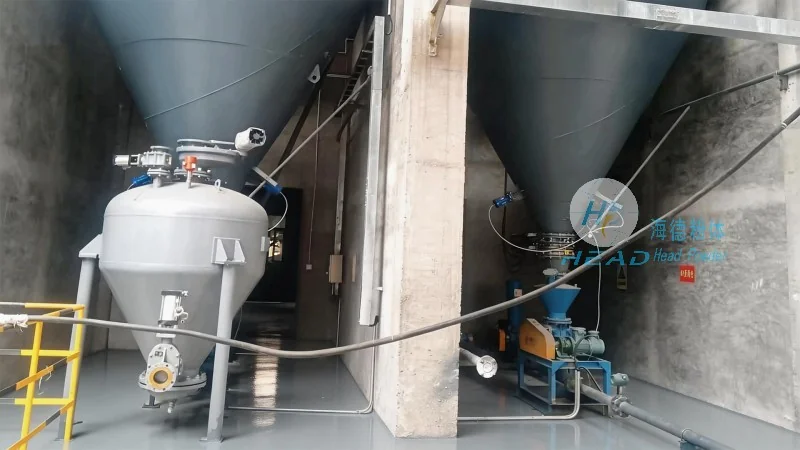
The vacuum powder feeding system typically consists of several key components, each playing a vital role in the overall operation. These include a vacuum pump, a hopper or feed container, a conveying tube, a control panel, and a discharge valve. The vacuum pump creates the necessary negative pressure to draw powder from the source into the system. The hopper holds the bulk material, and the conveying tube transports the powder from the hopper to the discharge point. The control panel allows operators to monitor and adjust the system parameters, such as vacuum pressure and material flow rate. The discharge valve regulates the release of the powder at the destination.
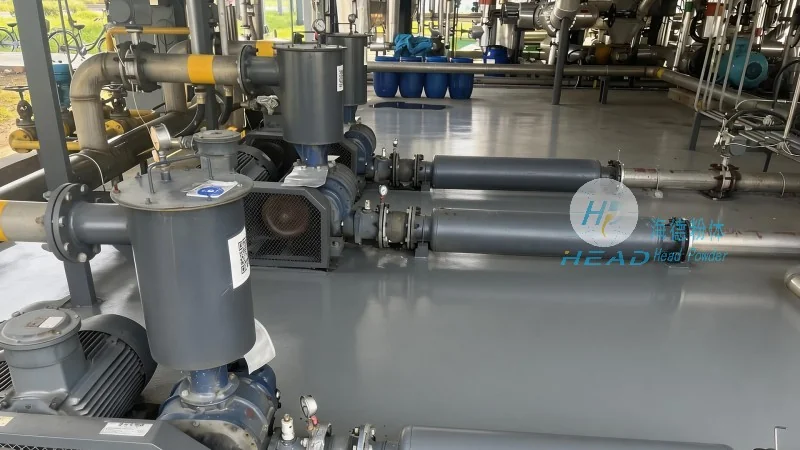
The operation of a vacuum powder feeding system follows a systematic process to ensure smooth and efficient material transfer. First, the bulk powder is loaded into the hopper. The vacuum pump is then activated, creating a vacuum in the system. This negative pressure draws the powder from the hopper into the conveying tube. As the powder moves through the tube, it is continuously drawn by the vacuum, maintaining a consistent flow. The control panel monitors the system to ensure the vacuum pressure remains within the optimal range. Once the powder reaches the discharge point, the discharge valve opens, allowing the material to be released into the receiving container or processing equipment. The system can be stopped and started as needed, providing flexibility for different production schedules.
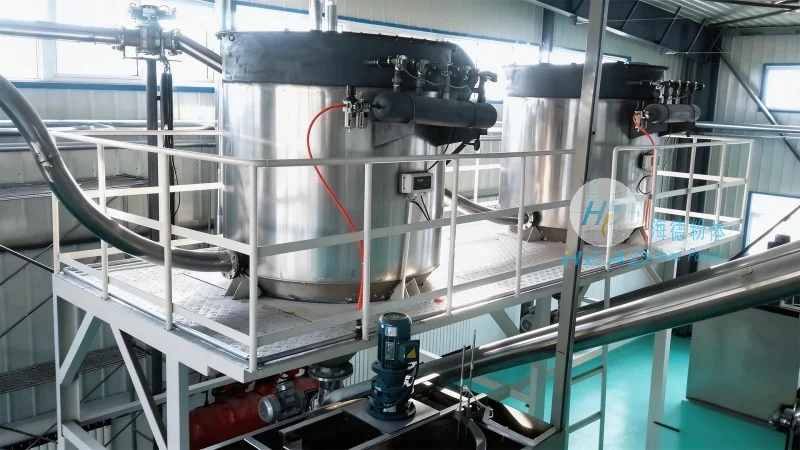
The working principle of the vacuum powder feeding system is based on the creation of a pressure differential. The vacuum pump reduces the pressure inside the conveying tube and the hopper, creating a lower pressure environment compared to the atmospheric pressure outside. This pressure difference causes the powder particles to be drawn into the system through the inlet of the hopper. The powder then flows through the conveying tube due to the continuous suction from the vacuum pump. The system maintains a stable flow by controlling the vacuum pressure and the material feed rate. The control panel plays a crucial role in maintaining the optimal pressure and flow, ensuring that the powder is transferred without clogging or loss. The discharge valve at the end of the system regulates the release of the powder, preventing backflow and ensuring accurate delivery to the target location.
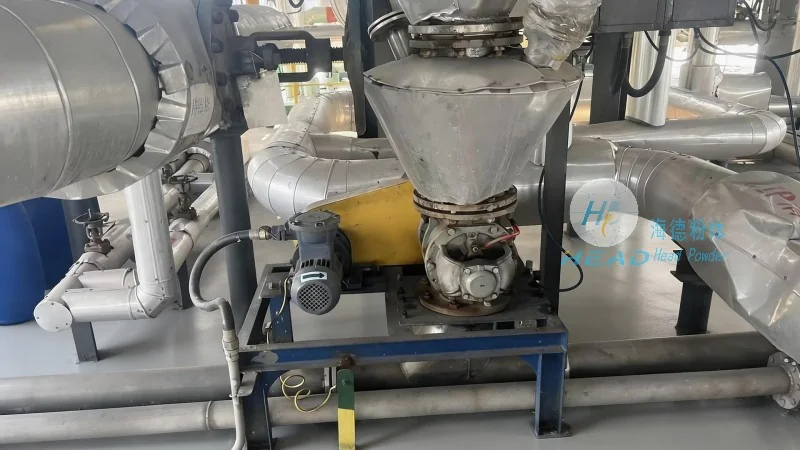
Vacuum powder feeding systems offer several advantages over traditional mechanical conveying methods. They are particularly effective for handling fine powders and powders that are prone to dust generation. The enclosed system minimizes environmental contamination and improves safety by containing the material during transport. Additionally, the system can handle powders with varying particle sizes and moisture content, making it versatile for different industrial applications. Common applications include pharmaceutical manufacturing, food processing, chemical production, and powder coating. The system's ability to transport powders over long distances without the need for additional power sources or mechanical parts makes it an efficient solution for many processing lines.

 Shandong Headpowder Engineering Co., Ltd.
 156-6277-7102(Manager Zhang)
  0531-83386006
  Zhangqiu District, Jinan City, Shandong Province, China
telephone
WeChatconsult
top