With more than 10‑year industry experience, Shandong Headpowder delivers full‑service pneumatic‑conveying systems and blowers, undertaking nationwide turn‑key powder‑handling projects.
HeadPowder, a leading engineering company based in Shandong, China, specializes in the design and manufacturing of advanced powder conveying systems. This article provides a detailed overview of the operation process and working principle of a sawdust and wood flour powder conveying line, highlighting the key components and operational steps involved in efficient material handling.
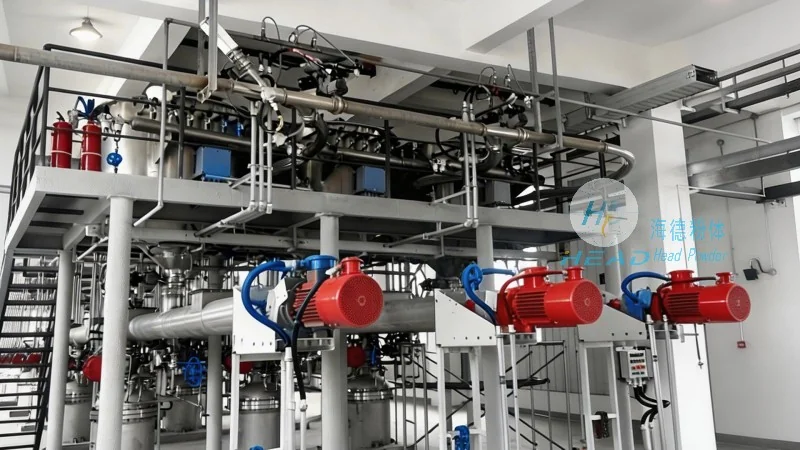
The sawdust and wood flour powder conveying line is a specialized system engineered to transport fine powders such as sawdust and wood flour from one location to another within industrial settings. These materials are commonly used in various applications, including wood processing, biomass energy production, and composite material manufacturing. The efficiency and reliability of this conveying line are crucial for maintaining consistent production processes and minimizing material loss.
The sawdust and wood flour powder conveying line typically consists of several interconnected components that work in tandem to ensure smooth material transport. These components include:
The operation of the sawdust and wood flour powder conveying line follows a systematic sequence of steps to ensure efficient material handling. The process begins with the loading of the feeding hopper with the raw material. Once the hopper is filled, the control panel activates the pneumatic conveying system, which generates the necessary air pressure to move the powders through the pipes.
As the material is conveyed, the system continuously monitors the flow rate and pressure to maintain optimal performance. The control panel adjusts the blower speed or air volume as needed to prevent blockages or excessive pressure buildup. The material travels through the conveying pipes and is directed into the discharge hopper at the end of the line.
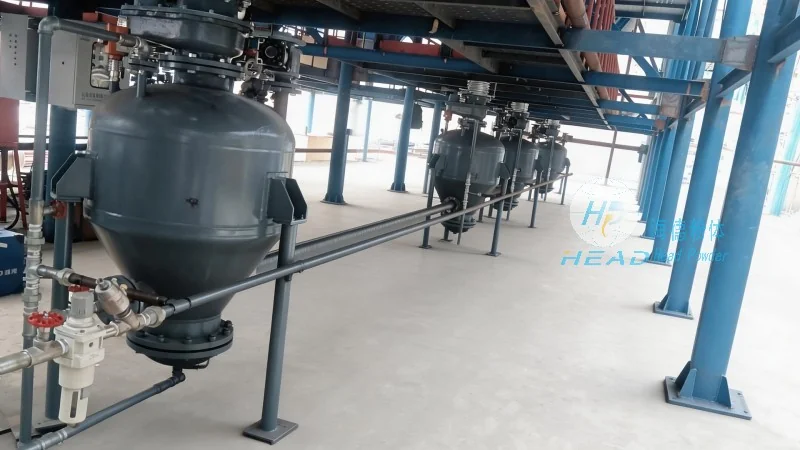
During operation, the system may also include filtration and cleaning mechanisms to remove any debris or dust from the air, ensuring a clean and safe working environment. This is particularly important when handling fine powders that can cause respiratory issues or equipment damage if not properly managed.
The working principle of the sawdust and wood flour powder conveying line is based on the principles of pneumatic transport, where the material is suspended and transported by a moving air stream. The system operates by creating a pressure differential between the feeding and discharge points, which drives the material through the pipes.
When the feeding hopper is activated, the material falls into the pneumatic conveying system, where it is mixed with the air stream. The air pressure propels the mixture through the conveying pipes, and the material is separated from the air at the discharge hopper using cyclones or other separation devices. The separated material is collected in the discharge hopper, while the air is filtered and returned to the system or released to the atmosphere.
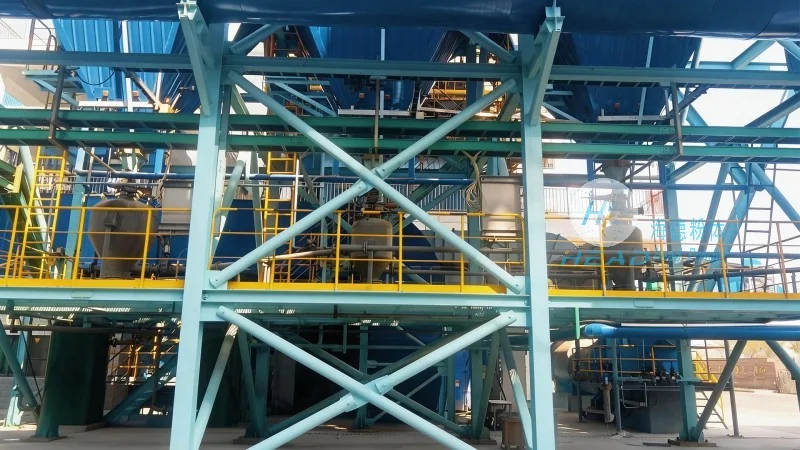
The control panel plays a critical role in maintaining the stability of the system by regulating the air flow and pressure. It monitors various parameters, such as pressure drop, flow rate, and temperature, to detect any abnormalities and adjust the system accordingly. This ensures that the conveying line operates within safe and efficient parameters, minimizing downtime and maximizing productivity.
The sawdust and wood flour powder conveying line offers several advantages in industrial applications, including:
These benefits make the sawdust and wood flour powder conveying line an essential component in industries that rely on the efficient handling of fine powders, such as wood processing, biomass energy, and composite manufacturing. The system's ability to maintain consistent material flow and minimize downtime contributes to improved overall productivity and cost-effectiveness.
In conclusion, the sawdust and wood flour powder conveying line is a sophisticated system designed to efficiently transport fine powders in industrial settings. Through its integrated components and automated control systems, the line ensures reliable and safe material handling, contributing to improved productivity and operational efficiency. HeadPowder, with its expertise in engineering and manufacturing, provides high-quality conveying solutions that meet the specific needs of various industries, ensuring optimal performance and long-term reliability.

 Shandong Headpowder Engineering Co., Ltd.
 156-6277-7102(Manager Zhang)
  0531-83386006
  Zhangqiu District, Jinan City, Shandong Province, China
telephone
WeChatconsult
top