With more than 10‑year industry experience, Shandong Headpowder delivers full‑service pneumatic‑conveying systems and blowers, undertaking nationwide turn‑key powder‑handling projects.
HeadPowder, a leading engineering company based in Shandong, China, specializes in the design, manufacturing, and installation of advanced conveying systems for the feed industry. This article provides a detailed overview of the operation process and working principle of a soybean feed powder conveying line, highlighting the key components and the systematic approach to ensuring efficient and reliable material handling.
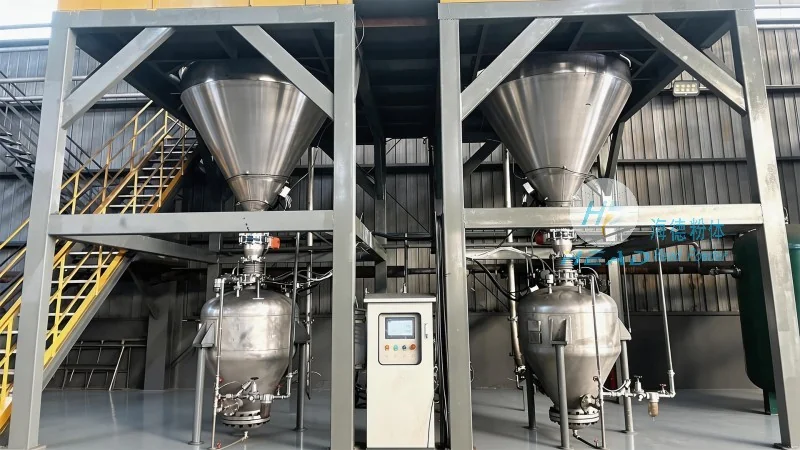
Soybean feed powder conveying lines are critical infrastructure in feed manufacturing facilities, responsible for transporting bulk soybean feed powders from storage silos or processing units to feed mixers or packaging stations. The efficiency of these systems directly impacts production throughput, product quality, and operational costs. A well-designed conveying line integrates various components such as hoppers, feeders, conveyors, and control systems to achieve seamless material flow while maintaining product integrity and minimizing dust generation.
The soybean feed powder conveying line typically consists of several essential components that work in tandem to facilitate the movement of powder. The primary components include:
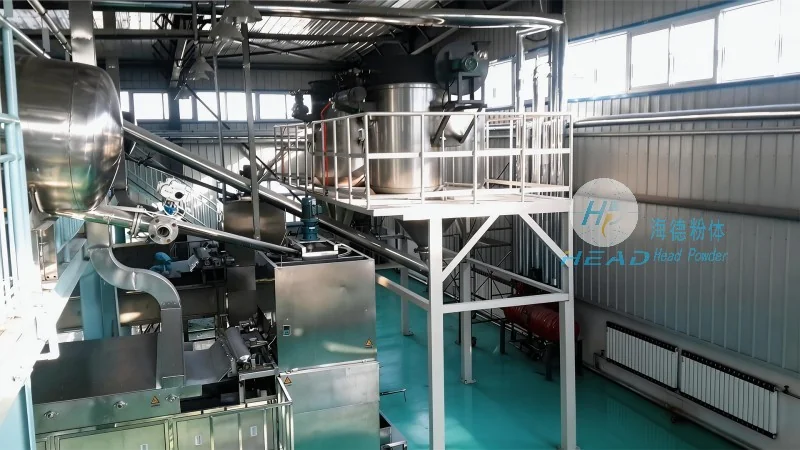
The operation of a soybean feed powder conveying line follows a systematic sequence to ensure efficient material transfer. The process begins with the material being stored in the hopper. When the feed mixer or packaging station requires feed, the control system activates the feeder, which releases the powder into the conveyor pipe. Simultaneously, the blower generates air pressure, which propels the powder through the pipe using a combination of air velocity and particle momentum. The powder travels to the receiver tank, where it is collected and then transferred to the next stage of the feed manufacturing process.
During operation, the control system continuously monitors key parameters such as pressure, flow rate, and temperature. If any abnormal conditions are detected, such as a blockage or excessive pressure, the system automatically shuts down or adjusts the flow to prevent damage to equipment or product contamination. This automated control ensures consistent performance and reduces the need for manual intervention.
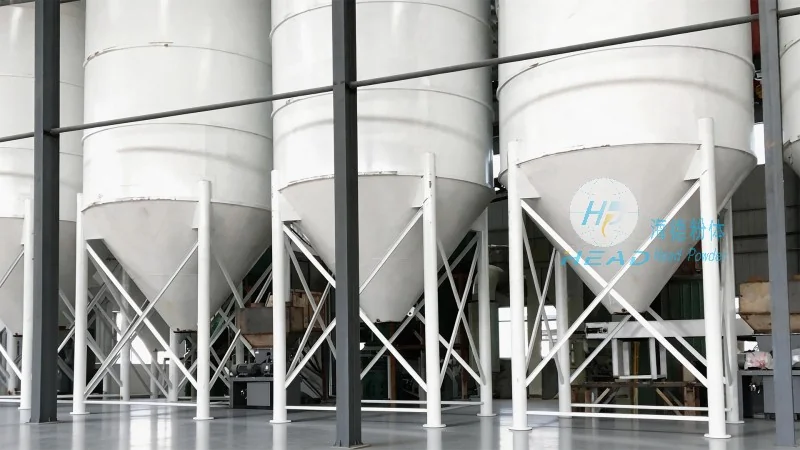
The working principle of the soybean feed powder conveying line is based on pneumatic transport technology, which utilizes air as the medium to move the powder. The fundamental concept is to create a pressure differential between the hopper and the receiver tank, causing the powder to be drawn into the air stream and transported through the pipe. The key mechanisms involved include:
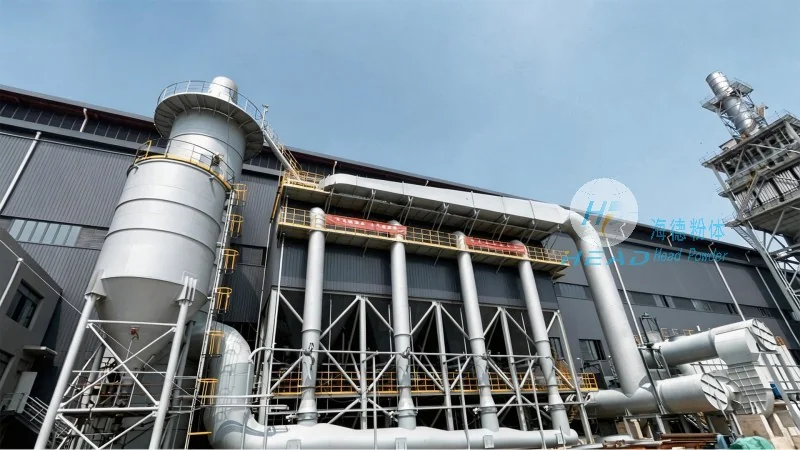
An effectively designed and operated soybean feed powder conveying line offers several advantages for feed manufacturing facilities. These include:
HeadPowder Engineering Co., Ltd., based in Shandong, China, provides comprehensive solutions for soybean feed powder conveying lines, combining advanced technology with expert engineering to meet the specific needs of feed manufacturers. By understanding the operation process and working principle of these systems, facilities can optimize their material handling processes, enhance productivity, and ensure product quality. The efficient design and reliable operation of a conveying line are essential for the success of any feed manufacturing operation, and HeadPowder is committed to delivering high-performance solutions that meet industry standards and customer expectations.

 Shandong Headpowder Engineering Co., Ltd.
 156-6277-7102(Manager Zhang)
  0531-83386006
  Zhangqiu District, Jinan City, Shandong Province, China
telephone
WeChatconsult
top