

Operation Process and Working Principle of Calcium Carbide Dust Removal Powder Conveying Line
The calcium carbide dust removal powder conveying line is a critical system in industrial facilities that handle calcium carbide production or processing. This system is designed to efficiently collect, transport, and manage dust and fine particles generated during the production process. The operation of this line involves several key components and steps, each working in tandem to ensure optimal performance and safety. The working principle is based on mechanical and pneumatic conveying technologies, which are tailored to handle the specific characteristics of calcium carbide dust—such as its abrasive nature, potential reactivity, and fine particle size.
Key Components of the Powder Conveying Line
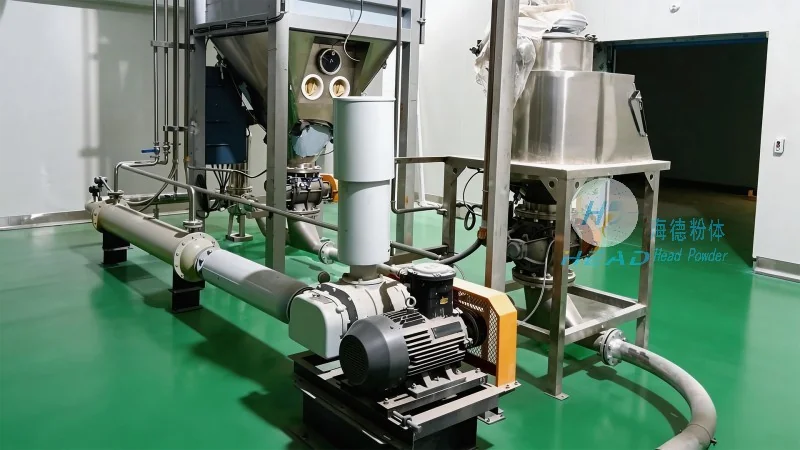
The calcium carbide dust removal powder conveying line typically consists of several essential components, each playing a vital role in the overall system. The primary components include dust collectors, conveying pipelines, air compressors or vacuum pumps, control systems, and material storage units. Each component is selected based on the specific requirements of the calcium carbide dust, such as its particle size distribution, moisture content, and potential hazards. For instance, dust collectors are often equipped with high-efficiency filters to capture fine particles, while conveying pipelines are made of materials resistant to corrosion and abrasion, such as stainless steel or special alloys, to withstand the harsh conditions of calcium carbide dust.
Operation Process: Step-by-Step Overview
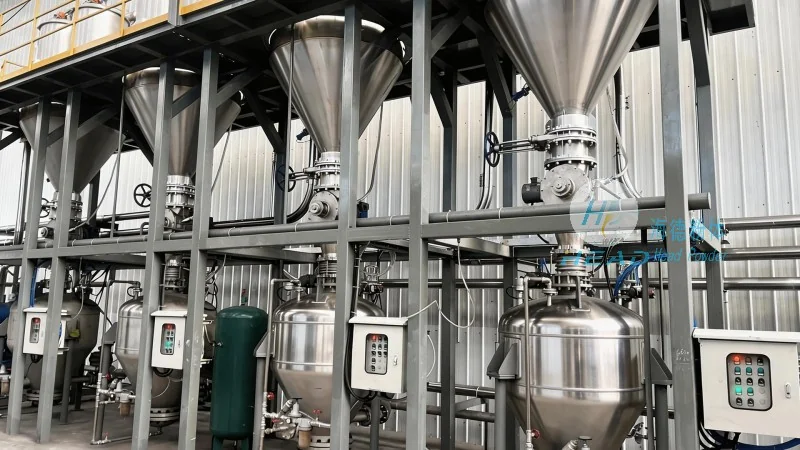
The operation of the calcium carbide dust removal powder conveying line follows a systematic process, starting from dust generation to final disposal or reuse. The first step involves the generation of dust in the production area, such as during the crushing, grinding, or handling of calcium carbide. This dust is then captured by the dust collectors, which are strategically placed to maximize collection efficiency. The collected dust is then transferred to the conveying system through a series of pipelines. The conveying process can be either pneumatic (using air pressure to move the powder) or mechanical (using screws, belts, or other mechanisms). In the case of pneumatic conveying, air is compressed and introduced into the pipeline, creating a flow that transports the dust particles. The control system monitors the pressure, flow rate, and other parameters to ensure smooth operation and prevent blockages or overloading. The material is then directed to a storage silo or processing unit, where it may be further treated or used in downstream applications. Throughout the process, safety measures are in place to prevent dust explosions, such as proper ventilation, explosion-proof designs, and regular maintenance.
Working Principle: Mechanical and Pneumatic Conveying
The working principle of the calcium carbide dust removal powder conveying line is centered on the efficient transport of fine particles using mechanical or pneumatic forces. Mechanical conveying systems rely on physical mechanisms, such as screw conveyors or belt conveyors, to move the powder through the pipeline. These systems are suitable for handling larger particles or when the dust is not too fine. However, for calcium carbide dust, which is typically very fine and abrasive, pneumatic conveying is often preferred. Pneumatic conveying uses compressed air to create a flow that carries the dust particles. The air is introduced at one end of the pipeline, and the dust is entrained and transported to the destination. The velocity of the air and the size of the particles determine the efficiency of the conveying process. The system is designed to maintain a consistent flow rate and pressure to avoid clogging or loss of material. The control system continuously monitors the pressure and flow, adjusting the air supply as needed to ensure optimal performance. This principle allows for a continuous and reliable operation, minimizing downtime and maximizing productivity.
Advantages and Benefits of the Conveying Line
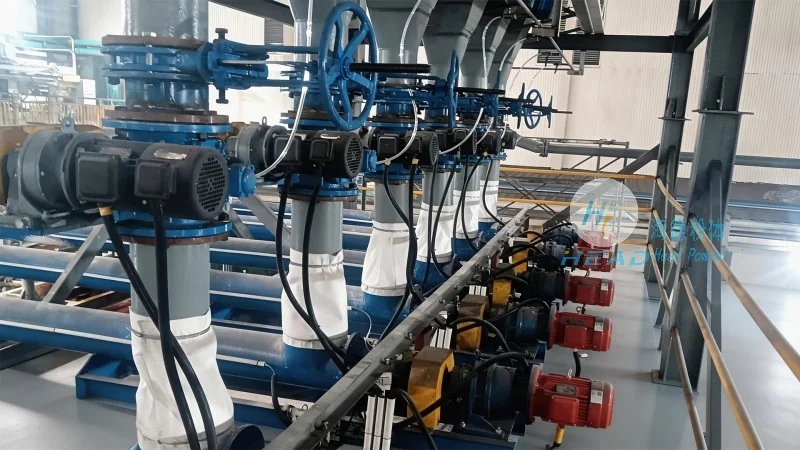
The calcium carbide dust removal powder conveying line offers several advantages that make it an essential component in industrial operations. First, it significantly improves workplace safety by reducing the amount of dust in the air, which can cause respiratory issues or other health problems. By efficiently collecting and transporting the dust, the system helps maintain a clean and safe working environment. Second, it enhances operational efficiency by preventing dust accumulation in equipment, which can lead to reduced performance or equipment failure. The continuous operation of the line ensures that the dust is handled promptly, reducing the risk of blockages or system downtime. Third, the system allows for the reuse or proper disposal of the collected dust, which can be beneficial for both environmental and economic reasons. For example, the dust may be recycled back into the production process or used as a raw material in other applications, reducing waste and costs. Finally, the system is designed for durability and reliability, with components that are resistant to corrosion and abrasion, ensuring long-term operation with minimal maintenance.
Application and Industry Relevance
The calcium carbide dust removal powder conveying line is widely used in industries that rely on calcium carbide, such as chemical manufacturing, metallurgy, and industrial gas production. These industries generate large amounts of dust during the production and processing of calcium carbide, which can pose significant health and safety risks if not properly managed. The conveying line is an effective solution to address these challenges, providing a reliable and efficient method to handle the dust. The system is also adaptable to different production scales, from small-scale operations to large industrial plants, making it suitable for a wide range of applications. The use of this technology has become standard in many facilities, as it helps meet regulatory requirements and improve overall operational performance.