With more than 10‑year industry experience, Shandong Headpowder delivers full‑service pneumatic‑conveying systems and blowers, undertaking nationwide turn‑key powder‑handling projects.
HeadPowder, a leading manufacturer based in Shandong, China, specializes in the design and production of advanced dry mix mortar powder conveying systems. These systems are crucial for efficiently transporting dry mortar powders from storage silos or bulk containers to production facilities or construction sites. The operation of such lines involves a series of integrated components that work in harmony to ensure reliable and consistent material transfer.
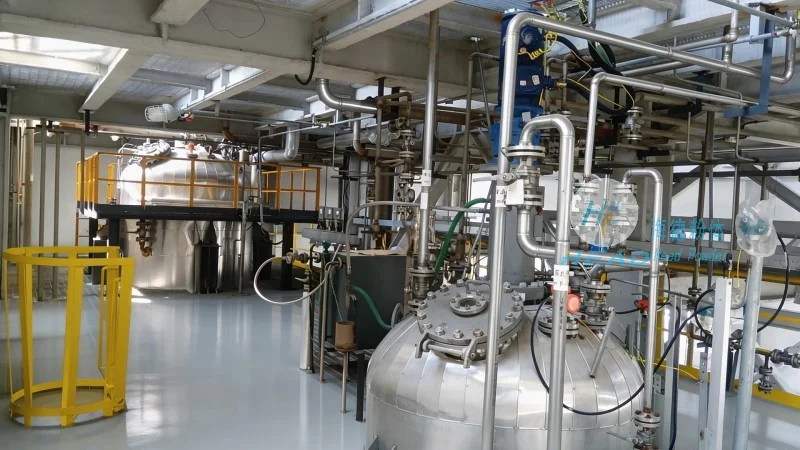
The operation of a typical dry mix mortar powder conveying line begins with the feeding of dry mortar powders into the system. This is usually done through a hopper or a bulk material feeder that can handle various types of dry powders, including cement, sand, and additives. The feeder ensures a steady and controlled flow of material into the conveying line. Once the material is fed, it is then transported through a network of pipes or hoses, often using positive displacement pumps or screw conveyors. The conveying system is equipped with pressure sensors and flow meters to monitor the material's movement and maintain optimal operating conditions. At the receiving end, the dry mortar powders are discharged into a storage silo or directly into a mixing machine, depending on the application requirements. The entire process is controlled by a central control system that manages the speed of the feeder, the pressure in the pipes, and the flow rate of the material, ensuring that the conveying operation is efficient and safe.
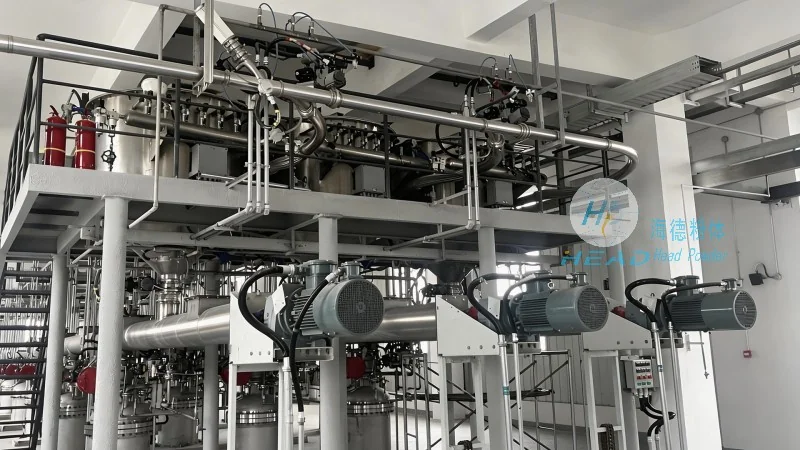
The working principle of dry mix mortar powder conveying lines is based on the principles of pneumatic or mechanical conveying. In most modern systems, a combination of both methods is used to achieve optimal performance. The mechanical part typically involves screw conveyors or augers that push the dry powders through the conveying pipes. This method is effective for materials with moderate moisture content and particle size. The pneumatic part, on the other hand, uses compressed air to create a flow of air and material through the pipes, which is particularly useful for transporting fine powders or materials that are prone to caking. The system is designed to maintain a consistent pressure and flow rate, preventing blockages and ensuring that the material reaches its destination without degradation. The control system plays a critical role in regulating the air pressure, motor speed, and material flow, ensuring that the conveying process is smooth and efficient. Additionally, the system includes safety features such as pressure relief valves and emergency stop buttons to prevent accidents and protect the equipment from damage.
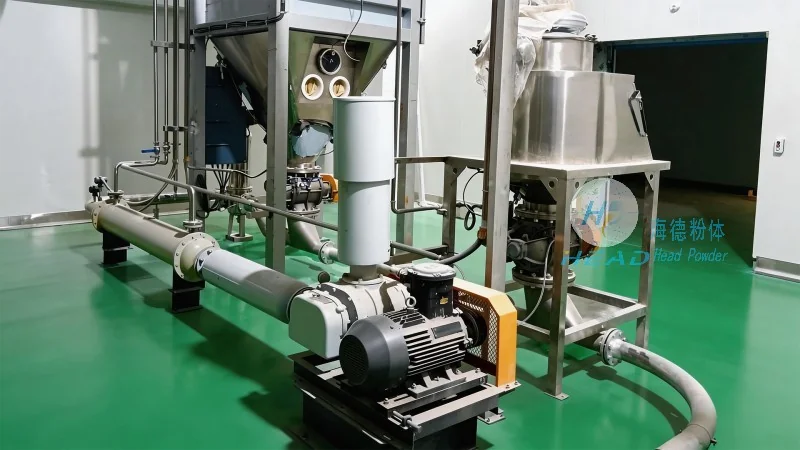
A dry mix mortar powder conveying line consists of several key components, each with a specific function. The initial component is the material feeder, which is responsible for delivering the dry powders into the system at a controlled rate. The feeder is typically a rotary valve or a vibratory feeder, and it is designed to handle the bulk density and flow characteristics of the dry mortar powders. The next component is the conveying pipeline, which is made of stainless steel or other corrosion-resistant materials to withstand the abrasive nature of the powders. The pipeline is equipped with elbows and bends to accommodate the layout of the facility, allowing for vertical or horizontal transport. The conveying mechanism, which can be a positive displacement pump or a screw conveyor, is responsible for moving the material through the pipeline. The pump is driven by an electric motor, and its speed is controlled by a variable frequency drive (VFD) to adjust the flow rate. The system also includes pressure sensors and flow meters to monitor the pressure and flow rate, ensuring that the material is transported efficiently. The receiving equipment, such as a storage silo or a mixing machine, is located at the end of the line and is responsible for receiving the dry powders. The storage silo is designed to store the powders until they are needed for production, and it is equipped with a discharge valve that can be controlled remotely. The mixing machine, if used, will blend the dry powders with water and other additives to form the final mortar product. The control system manages all these components, ensuring that the entire process is coordinated and efficient.
There are several advantages to using dry mix mortar powder conveying lines in construction and manufacturing applications. First, these systems offer high efficiency in material transport, as they can move large quantities of dry powders quickly and reliably. This reduces the need for manual handling and improves safety in the workplace. Second, the systems are designed to minimize material degradation, as the closed pipeline prevents exposure to air and moisture, which can affect the quality of the dry mortar. Third, the systems are flexible and can be customized to meet the specific requirements of different applications, such as vertical or horizontal transport, or the combination of mechanical and pneumatic conveying. Fourth, the systems are equipped with advanced control features that allow for real-time monitoring and adjustment, ensuring optimal performance. Finally, the systems are durable and require minimal maintenance, as they are made of high-quality materials and designed to withstand the harsh conditions of the construction industry.
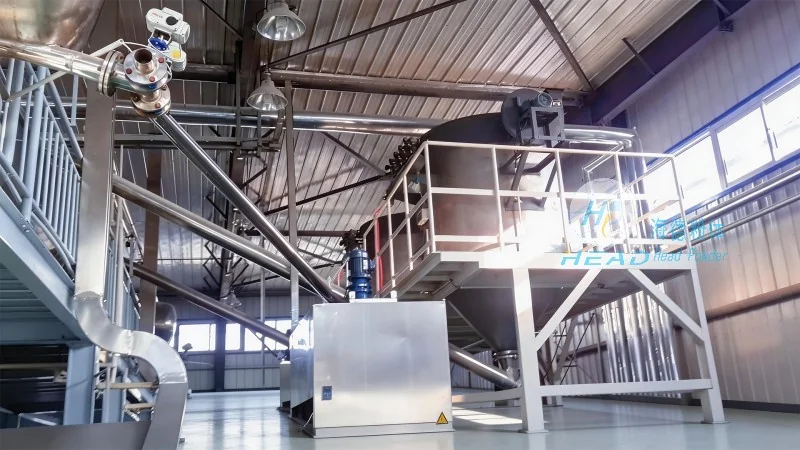
HeadPowder's dry mix mortar powder conveying lines are designed to provide reliable and efficient transport of dry mortar powders for construction and manufacturing applications. With their advanced components and control systems, these lines ensure that the material is transported safely and effectively, minimizing downtime and improving productivity. Based in Shandong, China, HeadPowder is committed to providing high-quality equipment that meets the needs of its customers, and its products are trusted by companies worldwide for their performance and durability.

 Shandong Headpowder Engineering Co., Ltd.
 156-6277-7102(Manager Zhang)
  0531-83386006
  Zhangqiu District, Jinan City, Shandong Province, China
telephone
WeChatconsult
top