

Operation Process and Working Principle of Furfural Ash Powder Conveying Line
For industrial applications involving the handling of furfural ash, an efficient and reliable powder conveying line is essential to ensure smooth material transport and processing. The operation process and working principle of such a system, as exemplified by the solutions offered by Shandong HeadPowder Engineering Co., Ltd., involve a series of integrated components designed to manage the unique characteristics of furfural ash powder. This article provides a detailed overview of how the conveying line functions, from material intake to final discharge, while highlighting the technical aspects that contribute to its effectiveness.
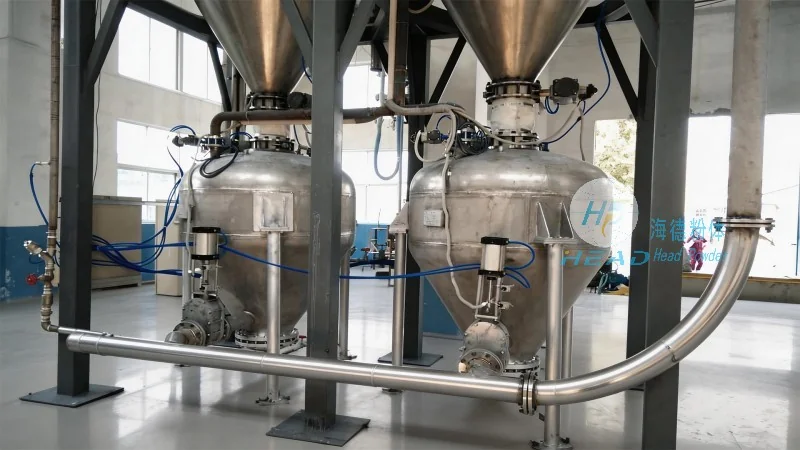
Overview of the Furfural Ash Powder Conveying Line
The furfural ash powder conveying line is a specialized system engineered to handle the transportation of fine powders, such as those derived from furfural production processes. The system is typically composed of several key components, including a hopper for material storage, a feeder to control the flow rate, a conveyor mechanism (such as a screw or pneumatic conveyor), and a discharge unit. Each component plays a critical role in ensuring the consistent and safe movement of the powder through the entire process. The design of the line is tailored to address the challenges posed by furfural ash, which may exhibit properties like low bulk density, cohesive behavior, or moisture sensitivity, all of which can impact the efficiency of traditional conveying methods.
Key Components and Their Functions
1. Hopper: The hopper serves as the primary storage vessel for the furfural ash powder. It is designed with a sloped bottom to facilitate material flow and prevent clogging. The hopper is often equipped with a level indicator to monitor the material inventory, ensuring that the feeder receives a steady supply without overloading or underfeeding. The material is typically fed into the hopper from the processing unit, where it is collected after the furfural extraction and purification steps.
2. Feeder: The feeder is responsible for controlling the rate at which the powder is discharged from the hopper into the conveyor. Common types of feeders used in this application include rotary valves, vibratory feeders, or screw feeders. The feeder's design is crucial for maintaining a consistent flow rate, as fluctuations can lead to uneven conveying or blockages in the system. For furfural ash, which may have a tendency to stick to surfaces, the feeder is often equipped with anti-adhesion coatings or heated components to prevent material buildup and ensure smooth operation.
3. Conveyor Mechanism: The conveyor is the core of the powder conveying line, responsible for transporting the furfural ash from the feeder to the discharge point. Depending on the specific requirements, the conveyor may be a screw conveyor, a pneumatic conveyor, or a combination of both. Screw conveyors are commonly used for horizontal or slight incline transport due to their ability to handle dry, free-flowing powders. They consist of a rotating screw within a trough, which pushes the material forward. Pneumatic conveyors, on the other hand, use air pressure to move the powder through a pipeline, making them suitable for longer distances or when the material is more cohesive. The choice of conveyor type is influenced by factors such as the material's properties, the distance to be covered, and the desired throughput.
4. Discharge Unit: The discharge unit is the final component of the conveying line, responsible for delivering the furfural ash to its destination, such as a storage silo, a processing unit, or a packaging system. The discharge unit may include a valve or a gate to control the flow rate and prevent backflow. It is often designed with a dust collection system to minimize airborne particles and ensure environmental compliance. The discharge point is typically equipped with a level sensor to monitor the material in the receiving vessel, allowing for automated control of the conveying process.
Operation Process of the Conveying Line
The operation of the furfural ash powder conveying line follows a sequential process that ensures efficient material handling. The steps involved are as follows:
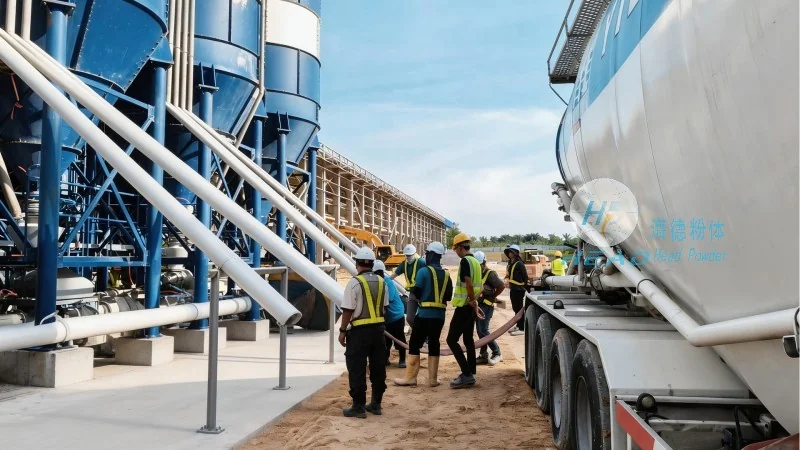
1. Material Loading: The furfural ash powder is loaded into the hopper from the furfural production facility. The hopper is filled to a certain level, and the level indicator provides feedback to the control system.
2. Feeder Activation: The feeder is activated to start the flow of material from the hopper. The control system adjusts the feeder speed based on the desired throughput, ensuring a consistent flow rate.
3. Conveyor Operation: The conveyor mechanism begins to transport the powder from the feeder to the discharge point. The screw or pneumatic system moves the material along the designated path, maintaining the flow without interruption.
4. Discharge and Storage: The material reaches the discharge unit, where it is released into the receiving vessel. The level sensor in the receiving vessel monitors the material level, and the control system may adjust the feeder speed to maintain the desired inventory.
5. System Monitoring and Control: Throughout the operation, the system is monitored by sensors and control devices. Parameters such as flow rate, pressure, and temperature are continuously checked to ensure that the conveying process is running smoothly. Any deviations are automatically corrected by the control system, preventing issues like blockages or overfilling.
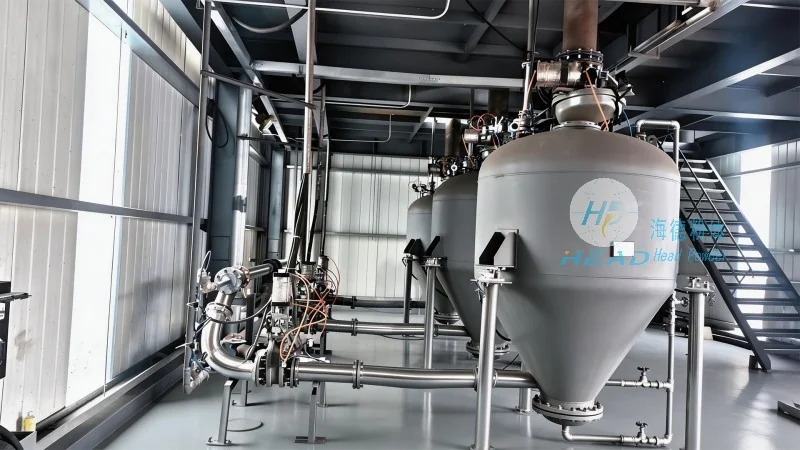
Working Principle of the Conveying Line
The working principle of the furfural ash powder conveying line is based on the principles of material flow and mechanical transport. The system operates by converting the potential energy of the material in the hopper into kinetic energy, which is then used to move the powder through the conveyor. The key principles involved include:
1. Gravity and Mechanical Force: The hopper's sloped design allows the material to flow under gravity, reducing the need for excessive force to initiate movement. The feeder and conveyor then apply mechanical force to maintain the flow and transport the material to the discharge point.
2. Air Pressure (for Pneumatic Conveyors): In pneumatic conveying systems, compressed air is used to create a pressure differential that propels the powder through the pipeline. The air flow is controlled to ensure that the powder is carried efficiently without causing excessive wear on the system components.
3. Control Systems: Modern conveying lines are equipped with advanced control systems that integrate sensors, actuators, and programmable logic controllers (PLCs). These systems allow for real-time monitoring and adjustment of the conveying parameters, ensuring optimal performance and minimizing downtime.
4. Material Properties Adaptation: The design of the conveying line is tailored to the specific properties of furfural ash, such as its particle size distribution, moisture content, and cohesive behavior. By understanding these properties, the system can be optimized to handle the material effectively, preventing issues like bridging, agglomeration, or blockages.
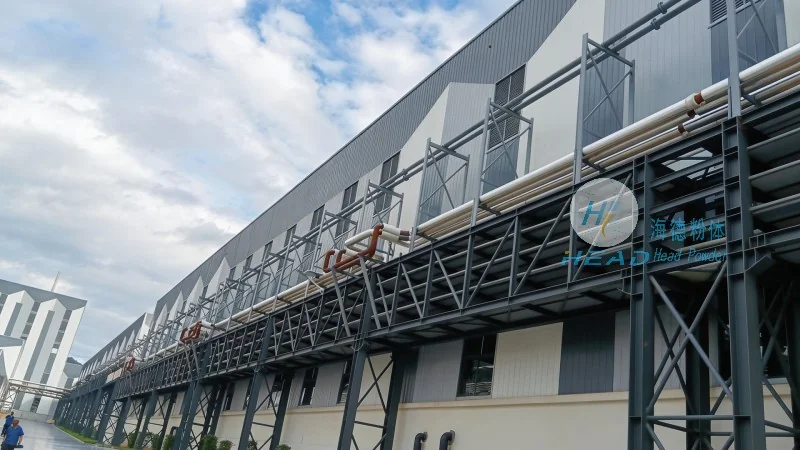
Benefits of the Furfural Ash Powder Conveying Line
The implementation of an efficient furfural ash powder conveying line offers several benefits for industrial operations:
1. Improved Efficiency: The system ensures consistent and continuous material transport, reducing downtime and increasing overall production throughput. By maintaining a steady flow rate, the conveying line minimizes the risk of material accumulation or bottlenecks in the process.
2. Enhanced Safety: The enclosed design of the conveying line reduces the risk of dust exposure and airborne particles, improving workplace safety. The system also minimizes the need for manual handling of the powder, reducing the risk of injury.
3. Reduced Maintenance: The use of specialized components, such as anti-adhesion coatings and heated feeders, reduces the likelihood of material buildup and clogging, leading to lower maintenance requirements and longer equipment lifespan.
4. Environmental Compliance: The dust collection system and enclosed design help to minimize the environmental impact of the operation, ensuring compliance with regulatory standards for air quality and waste management.
Conclusion
The operation process and working principle of the furfural ash powder conveying line, as exemplified by the solutions from Shandong HeadPowder Engineering Co., Ltd., represent a sophisticated approach to handling fine powders in industrial settings. By integrating specialized components and advanced control systems, the conveying line ensures efficient, safe, and reliable transport of furfural ash. The system's design is tailored to address the unique challenges posed by the material, resulting in improved operational efficiency and reduced maintenance costs. For industries involved in furfural production and processing, investing in such a conveying line is a strategic decision that enhances productivity and compliance with environmental regulations.