With more than 10‑year industry experience, Shandong Headpowder delivers full‑service pneumatic‑conveying systems and blowers, undertaking nationwide turn‑key powder‑handling projects.
Barley malt powder conveying lines are essential components in the malt processing industry, facilitating the efficient transport of malt powder from storage to processing units. The operation of such lines involves a series of systematic steps and mechanical processes designed to ensure smooth, reliable, and safe material handling. This article provides a detailed overview of the operation process and working principles of a typical barley malt powder conveying line, highlighting key components, operational procedures, and technical considerations.
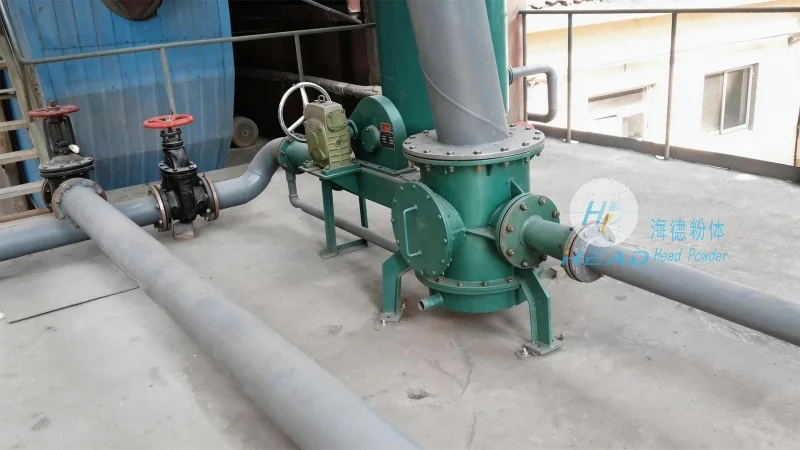
Barley malt powder conveying lines are engineered systems that enable the movement of malt powder, a critical raw material in brewing and other food processing applications. These lines are typically integrated into larger production facilities, where malt powder is stored in silos or bulk containers and needs to be transferred to milling, mixing, or packaging equipment. The design of these conveying lines is tailored to handle the specific properties of malt powder, such as its fine particle size, moisture content, and potential for dust generation, ensuring optimal performance and minimal product loss.
HeadPowder, a leading manufacturer in the field of powder handling equipment, specializes in the design, manufacturing, and installation of advanced conveying systems for various industries, including food processing. With a strong focus on innovation and customer-centric solutions, HeadPowder has established itself as a trusted partner for companies seeking reliable and efficient powder handling solutions. The company's headquarters is located in Shandong, China, where its state-of-the-art facilities and experienced engineering team develop cutting-edge technologies to meet the evolving needs of the industry.
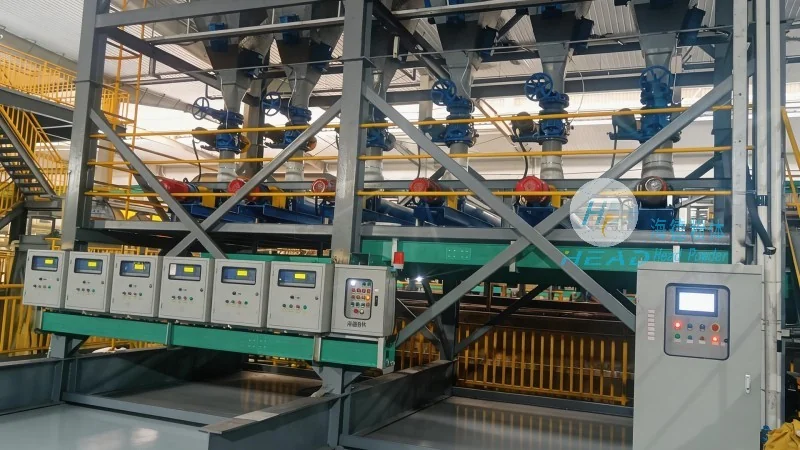
A typical barley malt powder conveying line consists of several interconnected components, each playing a crucial role in the overall operation. The primary components include a hopper or silo for material storage, a feeder to control the flow of powder, a conveyor system (such as a screw conveyor, pneumatic conveyor, or bucket elevator) for transporting the powder, and a control system to regulate the entire process. Additionally, the line may incorporate dust collection systems, safety interlocks, and monitoring devices to ensure operational safety and product quality.
The operation of a barley malt powder conveying line begins with the loading of malt powder into the storage hopper. The feeder then regulates the flow of powder from the hopper, ensuring a consistent and controlled discharge rate. The conveyor system, which may be a screw conveyor for low to medium capacities or a pneumatic conveyor for high-capacity or long-distance transport, then transports the powder to the processing unit. The control system monitors key parameters such as flow rate, pressure, and temperature, adjusting the operation as needed to maintain optimal performance. Throughout the process, dust collection systems capture any airborne particles, preventing contamination and ensuring a clean working environment.
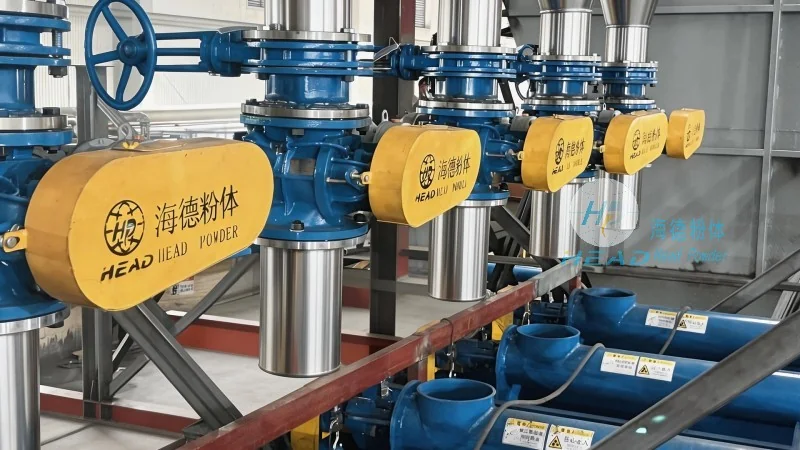
The working principle of a barley malt powder conveying line is based on the mechanical or pneumatic transfer of powder from the source to the destination. For mechanical conveyors, such as screw conveyors, the principle involves the rotation of a screw within a tube, which pushes the powder forward due to friction and gravity. The speed and pitch of the screw determine the conveying capacity and efficiency. For pneumatic conveyors, the principle relies on the use of air pressure to create a flow of powder through a pipeline. The powder is suspended in the air stream and transported to the target location. The control system manages the air pressure and flow rate to ensure efficient and reliable transport.
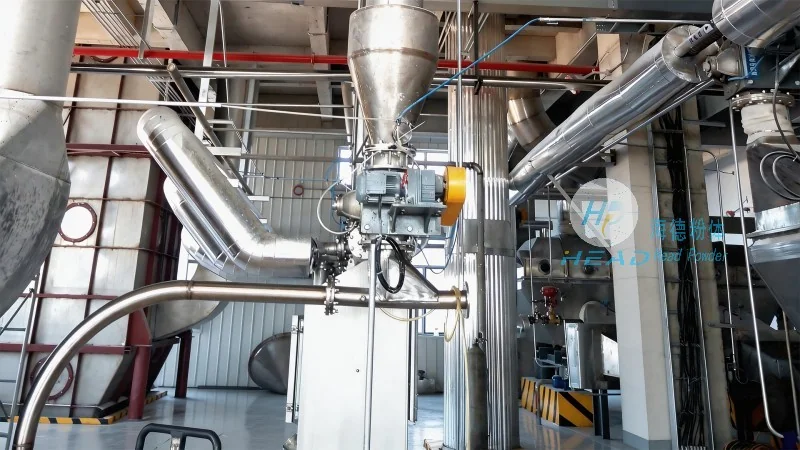
Several technical considerations are essential for the efficient operation of a barley malt powder conveying line. These include the selection of appropriate materials for the hopper and conveyor components to prevent corrosion or contamination from the malt powder. The design of the system must also account for the moisture content and particle size of the malt powder to avoid clogging or blockages. Regular maintenance is crucial to ensure the longevity and reliability of the equipment. This includes cleaning the conveyor system, checking for wear and tear on components, and performing routine inspections to identify and address any issues before they become major problems.
Barley malt powder conveying lines are critical infrastructure in the malt processing industry, enabling the efficient and safe transport of malt powder. The operation of these lines involves a systematic process, from material storage to transport, and is governed by mechanical and pneumatic principles. Companies like Shandong HeadPowder Engineering Co., Ltd. play a vital role in providing advanced and reliable conveying systems that meet the specific needs of the industry. By understanding the operation process and working principles of these lines, manufacturers can optimize their production processes, improve efficiency, and ensure the quality of their final products.

 Shandong Headpowder Engineering Co., Ltd.
 156-6277-7102(Manager Zhang)
  0531-83386006
  Zhangqiu District, Jinan City, Shandong Province, China
telephone
WeChatconsult
top