With more than 10‑year industry experience, Shandong Headpowder delivers full‑service pneumatic‑conveying systems and blowers, undertaking nationwide turn‑key powder‑handling projects.
Foundry sand, a critical raw material in the casting industry, requires efficient and reliable material handling systems to ensure smooth production flow. The process of foundry sand powder material handling involves several key steps and principles that are essential for maintaining productivity and quality in casting operations. This article provides an in-depth look at the operation process and working principles of foundry sand powder material handling, highlighting the technical aspects and practical applications.
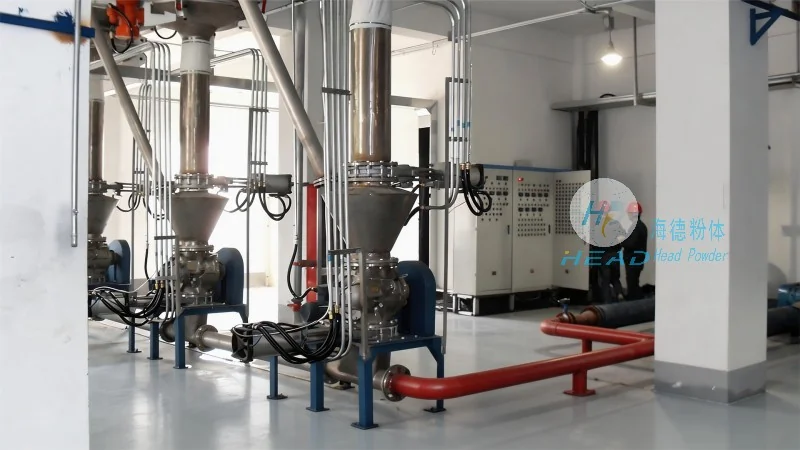
Foundry sand, often in the form of fine powders, is used in various casting processes such as sand casting, investment casting, and die casting. The efficient transport and handling of these powders are crucial to prevent material degradation, minimize dust emissions, and ensure consistent material properties. Proper material handling systems not only enhance operational efficiency but also contribute to environmental compliance and worker safety. The following sections will explore the operational workflow and underlying principles that govern the handling of foundry sand powders.
The material handling system for foundry sand powders typically consists of several interconnected components designed to handle the unique characteristics of the material. These components include feeders, conveyors, storage silos, and control systems. The system setup is tailored to the specific requirements of the foundry, considering factors such as production capacity, material flow rates, and space constraints. For instance, a typical system may involve a bulk material feeder that regulates the flow of sand from the storage silo to the conveyor. The feeder ensures a consistent and controlled discharge rate, preventing overloading or underloading of the conveyor. The conveyor, often a belt or screw conveyor, transports the sand to the next processing stage, such as a mixer or molding machine. Storage silos are used to store large quantities of sand, providing a buffer between production and raw material supply. These silos are equipped with level sensors and aeration systems to maintain material flow and prevent caking or bridging.
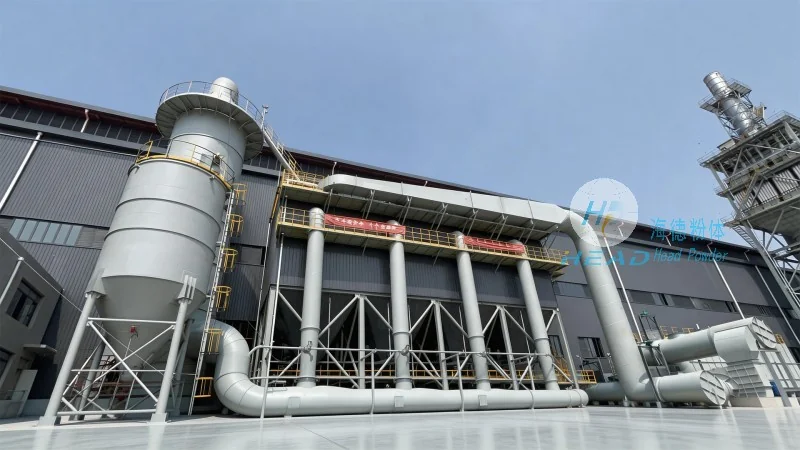
The operation process of foundry sand powder material handling follows a systematic sequence of steps that ensure the material is handled safely and efficiently. The workflow typically begins with the material being discharged from the storage silo into the feeder. The feeder then regulates the flow rate, ensuring a steady supply of sand to the conveyor. The conveyor transports the sand to the processing equipment, where it may be mixed with binders, additives, or other materials to form the casting sand mixture. The mixing process is critical as it determines the final properties of the sand, such as its strength, permeability, and reusability. After mixing, the sand mixture is transported to the molding or casting equipment, where it is used to create the mold or pattern for the casting. The entire process is monitored and controlled by a central system that adjusts parameters such as flow rates, mixing times, and conveyor speeds based on real-time data and production requirements.
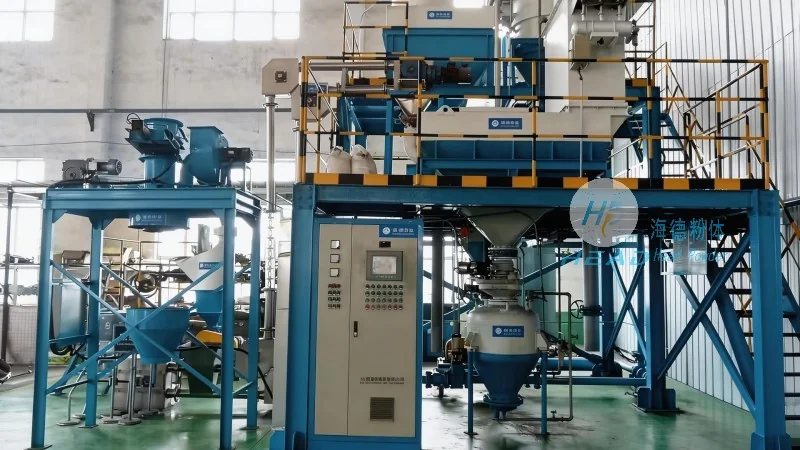
The working principles of foundry sand powder material handling are based on several fundamental mechanisms and technologies that enable the efficient transport and handling of fine powders. One of the primary principles is the use of controlled feeding to maintain a consistent material flow. This is achieved through the use of feeders that adjust their discharge rate based on the system's demand. Another key principle is the prevention of material degradation and caking, which can occur due to moisture, temperature, or improper handling. Aeration systems and vibration devices are commonly used to prevent caking and ensure smooth material flow. The use of enclosed conveyors and dust collection systems is also essential to minimize dust emissions and maintain a clean working environment. Additionally, the system incorporates sensors and control systems to monitor critical parameters such as material level, flow rate, and temperature. These sensors provide real-time data that allows operators to make adjustments and optimize the process for maximum efficiency and safety.
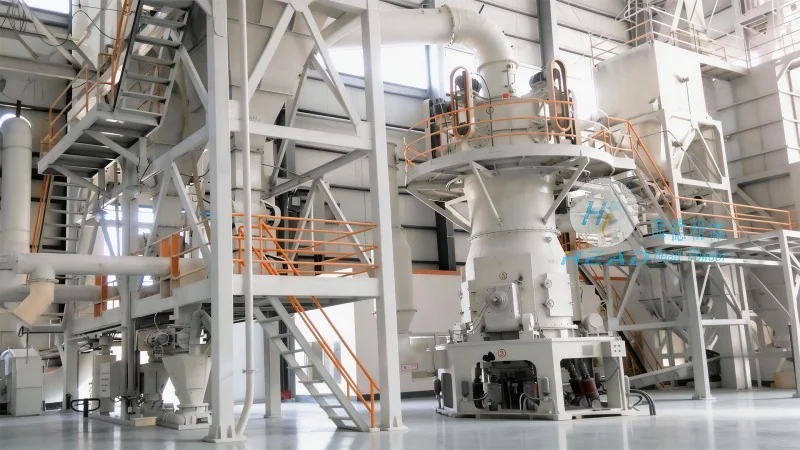
Shandong HeadPowder Engineering Co., Ltd., commonly known as HeadPowder, is a leading provider of material handling solutions for the foundry industry. With a strong focus on innovation and customer satisfaction, HeadPowder specializes in designing and manufacturing systems tailored to the unique needs of foundry operations. The company's expertise lies in the development of efficient and reliable systems for handling foundry sand powders, ensuring that clients can achieve optimal performance and productivity. HeadPowder's commitment to quality and service has made it a trusted partner for many foundry companies, helping them to improve their material handling processes and enhance overall operational efficiency.
Efficient foundry sand powder material handling is a critical aspect of modern casting operations, as it directly impacts productivity, quality, and safety. By understanding the operation process and working principles of these systems, foundry operators can optimize their material handling processes and achieve better results. The use of advanced technologies and well-designed systems, such as those offered by Shandong HeadPowder Engineering Co., Ltd., can significantly improve the efficiency and reliability of foundry sand material handling. As the foundry industry continues to evolve, the importance of efficient material handling will only increase, making it essential for foundry companies to invest in the right systems and technologies to stay competitive and meet the demands of the market.

 Shandong Headpowder Engineering Co., Ltd.
 156-6277-7102(Manager Zhang)
  0531-83386006
  Zhangqiu District, Jinan City, Shandong Province, China
telephone
WeChatconsult
top