

Aluminum Nitride Pneumatic Conveying Line: Operation Process and Working Principle
Shandong HeadPowder Engineering Co., Ltd., a leading enterprise in the field of powder processing technology, specializes in the design, manufacturing, and installation of advanced pneumatic conveying systems. With a focus on high-efficiency and reliable solutions, the company has established itself as a trusted partner for industries requiring precise material handling, particularly for specialized powders like aluminum nitride. This article provides an in-depth exploration of the operation process and working principle of aluminum nitride pneumatic conveying lines, highlighting the technical aspects and operational efficiency of such systems.
Company Profile and Expertise
HeadPowder, as the company is commonly known, is headquartered in Shandong, China. The company has built a strong reputation through its commitment to innovation, quality, and customer satisfaction. With years of experience in the powder industry, HeadPowder engineers have developed comprehensive knowledge of material properties, flow dynamics, and system integration. This expertise enables the company to tailor pneumatic conveying solutions that meet the specific needs of clients, ensuring optimal performance and durability. The company’s team of professionals includes experienced engineers, technicians, and project managers who work collaboratively to deliver customized systems that enhance productivity and reduce operational costs.
Introduction to Aluminum Nitride Pneumatic Conveying Lines
Aluminum nitride (AlN) is a high-performance ceramic material widely used in semiconductor manufacturing, electronics, and other high-tech industries due to its excellent thermal conductivity, electrical insulation properties, and chemical stability. Handling aluminum nitride powder requires specialized equipment to maintain its purity and prevent contamination, as the material is sensitive to moisture and other environmental factors. Pneumatic conveying lines offer a clean, efficient, and dust-free method for transporting aluminum nitride, making them ideal for applications where traditional mechanical conveying methods may cause particle degradation or contamination. The design of aluminum nitride pneumatic conveying lines is tailored to the unique characteristics of AlN, ensuring that the material is transported safely and effectively.
Working Principle of Pneumatic Conveying Systems
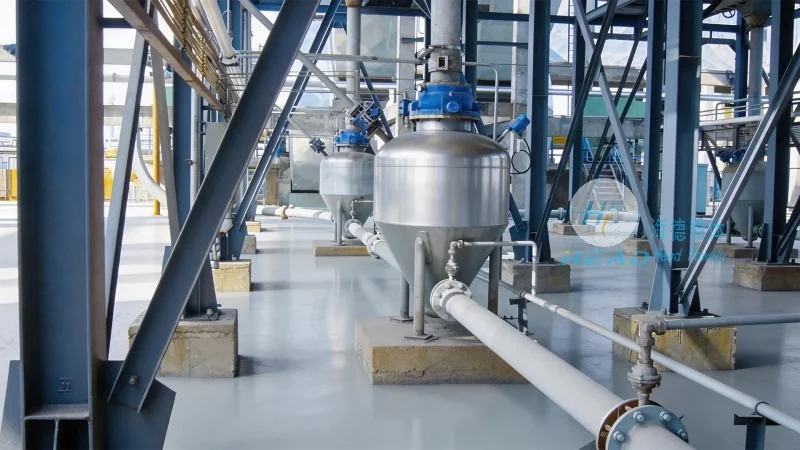
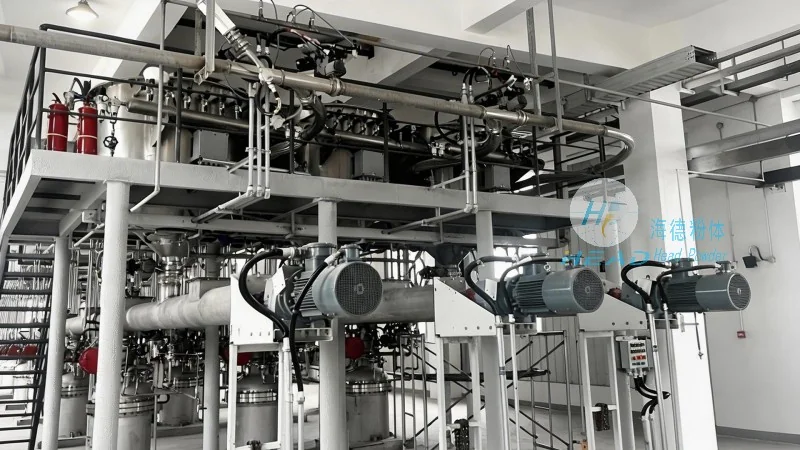
The core principle of pneumatic conveying is the use of compressed air to move powder materials through a pipeline. In an aluminum nitride pneumatic conveying line, the system operates by creating a pressure differential between the inlet and outlet of the pipeline. Compressed air is introduced into the conveying line, and the air flow generates sufficient velocity to lift and transport the aluminum nitride particles. The system typically consists of several key components, including a material feeder, a conveying line, a separator or filter, and a receiver. The material feeder is responsible for introducing the aluminum nitride powder into the system at a controlled rate, ensuring a consistent flow. The conveying line is designed with appropriate diameter and length to maintain the required air velocity for efficient transport. The separator or filter is used to separate the powder from the air stream, preventing dust emissions and ensuring that the material is collected in a clean and dry state. The receiver is the final container where the aluminum nitride is deposited, completing the conveying process.
Operation Process of Aluminum Nitride Pneumatic Conveying Lines
The operation of an aluminum nitride pneumatic conveying line involves several sequential steps that ensure smooth and efficient material transport. The process begins with the preparation of the aluminum nitride powder, which is typically stored in a sealed container to prevent moisture absorption. The material feeder then dispenses the powder into the conveying line at a controlled rate, synchronized with the air flow. As the compressed air is introduced, it creates a positive pressure that lifts the powder particles and propels them through the pipeline. The air velocity is carefully controlled to avoid particle degradation or blockages, which could occur if the velocity is too high or too low. The conveying line may include bends, expansions, or other components that are designed to minimize pressure losses and maintain consistent flow. At the receiving end, the air and powder mixture passes through a separator, where the powder is separated from the air stream and collected in the receiver. The separated air is then discharged, completing the cycle. The entire process is monitored by sensors and control systems that adjust the air pressure, flow rate, and material feed rate as needed to maintain optimal performance. This closed-loop system ensures that the aluminum nitride is transported with minimal loss and maximum purity, meeting the stringent requirements of high-tech applications.
Key Components and Design Considerations
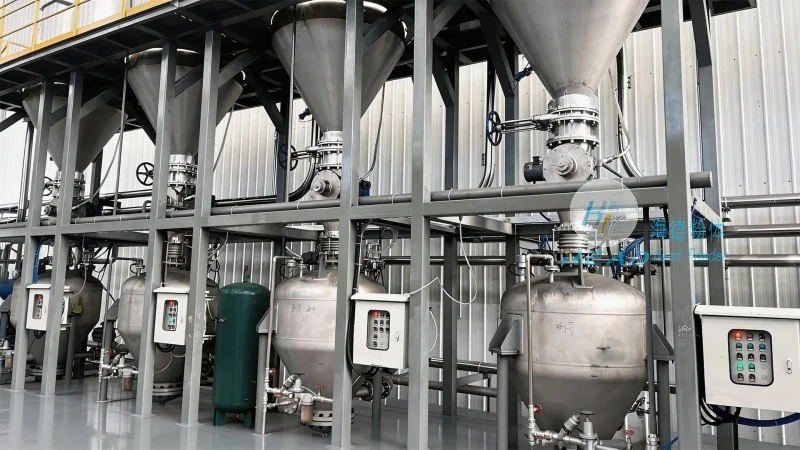
The effectiveness of an aluminum nitride pneumatic conveying line depends on the proper selection and integration of key components. The material feeder is a critical component, as it must handle the specific characteristics of aluminum nitride, such as its fine particle size and low bulk density. Common types of feeders include rotary valves, star feeders, and screw feeders, which are chosen based on the material's flow properties and the required feed rate. The conveying line itself is typically made of materials that are compatible with aluminum nitride, such as stainless steel or specialized plastics, to prevent chemical reactions or contamination. The line diameter and length are determined by the material's flow characteristics and the desired conveying distance. The separator or filter is designed to capture fine particles and prevent dust emissions, often using cyclone separators or bag filters. The receiver is a sealed container that collects the aluminum nitride, ensuring that the material remains dry and free from contamination. Additionally, the system includes control valves, pressure regulators, and monitoring equipment to manage the air flow and material transport. The design of the system also considers factors such as pressure drop, energy efficiency, and maintenance requirements, ensuring that the overall operation is cost-effective and reliable.
Advantages of Aluminum Nitride Pneumatic Conveying Lines
Compared to traditional mechanical conveying methods, aluminum nitride pneumatic conveying lines offer several advantages that make them the preferred choice for handling sensitive powders. One of the primary benefits is the ability to maintain the purity and integrity of the aluminum nitride powder. The closed system prevents exposure to moisture, air, or other contaminants, which could degrade the material's properties. This is particularly important in semiconductor manufacturing, where even small amounts of impurities can affect the performance of electronic components. Another advantage is the high efficiency and speed of material transport. Pneumatic conveying systems can move large quantities of aluminum nitride over long distances in a short period, reducing production time and increasing throughput. The system also offers flexibility in terms of layout, as the conveying line can be designed to follow the existing facility layout without the need for complex mechanical components. Additionally, pneumatic conveying systems are relatively low maintenance, as they have fewer moving parts compared to mechanical conveyors. This reduces downtime and maintenance costs, making the system more cost-effective in the long run. The ability to handle fine and abrasive powders without causing wear and tear on the system components is another key advantage, ensuring the longevity of the equipment.
Applications and Industries
Aluminum nitride pneumatic conveying lines are widely used in various industries that require the handling of high-purity aluminum nitride powder. The semiconductor industry is a major user, as aluminum nitride is used in the production of high-power electronic devices, such as power transistors and MOSFETs. The material's excellent thermal conductivity makes it ideal for heat sinks and thermal management applications in these devices. In the electronics industry, aluminum nitride is used in the manufacturing of capacitors, resistors, and other electronic components, where its electrical insulation properties are crucial. The aerospace industry also utilizes aluminum nitride in the production of lightweight components and thermal protection systems, as the material's high strength and thermal stability make it suitable for harsh environments. Other industries that benefit from aluminum nitride pneumatic conveying lines include the chemical and pharmaceutical sectors, where the material is used in specialized applications requiring precise powder handling. The versatility of the system allows it to be adapted to various industrial processes, making it a valuable asset for companies operating in these fields.