With more than 10‑year industry experience, Shandong Headpowder delivers full‑service pneumatic‑conveying systems and blowers, undertaking nationwide turn‑key powder‑handling projects.
For industrial applications requiring the efficient and reliable transport of crystalline materials, the crystal solid pneumatic conveying line represents a sophisticated solution. This system is designed to handle fine or granular crystalline substances, ensuring minimal product degradation while maintaining high throughput rates. The operation process and working principle of such a system are critical for understanding its effectiveness in various industrial settings.
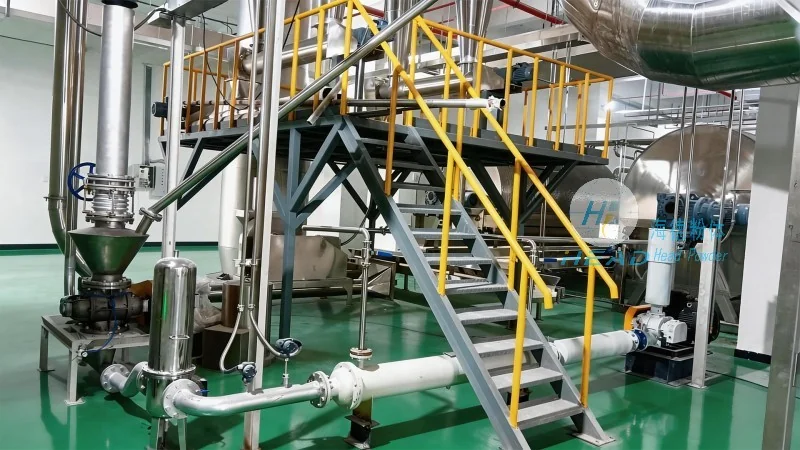
HeadPowder, a leading provider in the field, specializes in the design, manufacturing, and implementation of advanced pneumatic conveying systems. With a strong foundation in engineering and material handling, the company has established itself as a trusted partner for businesses seeking to optimize their material transport processes. Based in Shandong, China, HeadPowder leverages local manufacturing capabilities and global market expertise to deliver high-quality solutions tailored to specific operational needs.
Pneumatic conveying lines utilize air or gas as the primary medium to transport solid materials through a pipeline network. In the case of crystal solid materials, the system must be engineered to handle the unique properties of these substances, such as their particle size, density, and flow characteristics. The core components of a typical system include a feeding hopper, a conveying line, a separation or collection unit, and a control system. Each component plays a vital role in ensuring the smooth and efficient operation of the entire process.
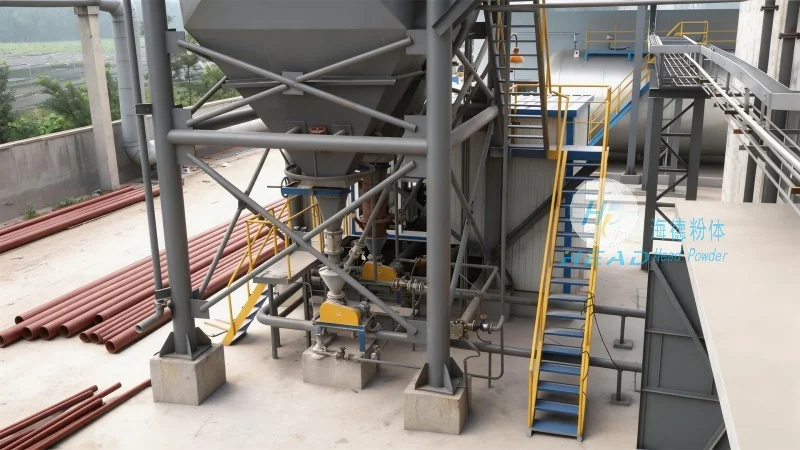
The operation process begins with the loading of crystalline material into the feeding hopper. The material is then fed into the conveying line under controlled conditions, where it is carried by the moving air stream. The air velocity and pressure are carefully managed to prevent material degradation and ensure consistent flow. As the material travels through the pipeline, it may encounter various components like bends, filters, or cyclones that help maintain the material's integrity and separate any contaminants. The conveying line terminates at a collection point, where the material is discharged and prepared for further processing or storage.
The working principle of a crystal solid pneumatic conveying line is based on the principles of fluid dynamics and material handling. The system operates by creating a pressure differential between the inlet and outlet of the conveying line. This differential is achieved by using a blower or compressor to generate the necessary air flow. The air flow entrains the crystalline particles, forming a slurry-like mixture that moves through the pipeline. The design of the system, including the size and shape of the pipeline, the type of air nozzle, and the control of air pressure, directly impacts the efficiency and effectiveness of material transport. Advanced control systems are often integrated to monitor and adjust parameters in real-time, ensuring optimal performance and minimizing downtime.
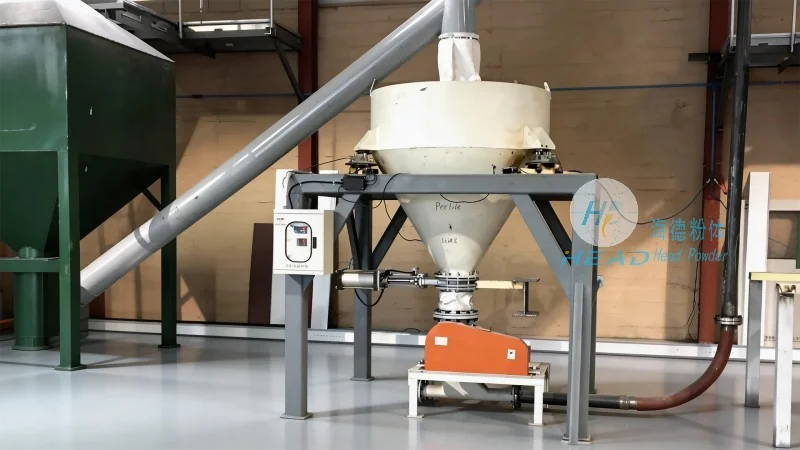
Crystal solid pneumatic conveying lines offer several advantages over traditional material handling methods. These include reduced product contamination, as the material is not in direct contact with mechanical components. The system also minimizes material degradation due to the absence of friction and impact forces. Additionally, the enclosed pipeline design helps maintain product quality and prevents dust emissions, contributing to a safer and more environmentally friendly operation. The high throughput capacity and flexibility of the system make it suitable for various industrial applications, from pharmaceuticals to food processing and chemical manufacturing.
The versatility of crystal solid pneumatic conveying lines is demonstrated in diverse industrial applications. In the pharmaceutical industry, these systems are used to transport active pharmaceutical ingredients (APIs) and excipients with high precision and minimal risk of contamination. In the food industry, they handle ingredients like sugar, salt, and spices, ensuring product purity and compliance with food safety regulations. The chemical industry utilizes these systems for transporting fine chemicals and catalysts, where maintaining material integrity is crucial for reaction efficiency. Each application benefits from the system's ability to handle sensitive materials while providing reliable and efficient transport solutions.
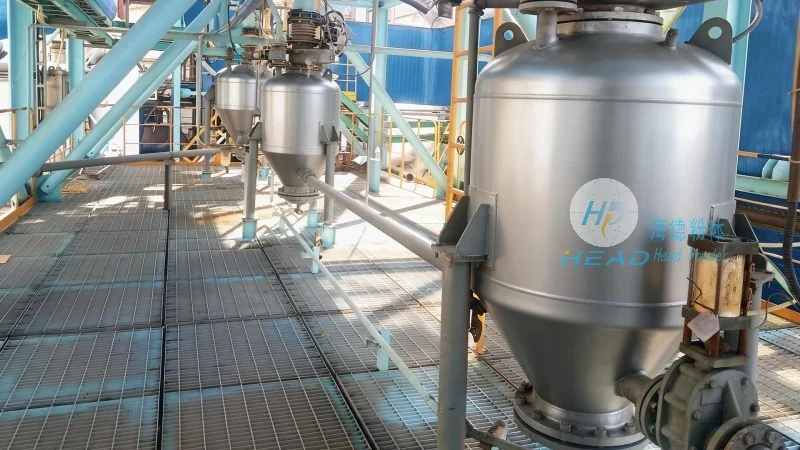
Proper maintenance is essential to ensure the long-term performance and reliability of a crystal solid pneumatic conveying line. Regular checks of the air compressor, pipeline integrity, and material feed mechanisms are necessary to prevent blockages and maintain optimal air flow. The system's control software should be regularly updated to monitor performance metrics and detect any deviations from normal operation. Additionally, the material handling environment should be kept clean and free of debris to avoid clogging the conveying line. By adhering to proper maintenance protocols, businesses can maximize the lifespan of their equipment and minimize operational costs.
Crystal solid pneumatic conveying lines represent a sophisticated and efficient solution for transporting crystalline materials in industrial settings. The operation process, which involves material loading, air-driven transport, and controlled discharge, is designed to maintain product quality and ensure high throughput. The working principle, based on fluid dynamics and pressure differentials, enables the system to handle sensitive materials with precision. With the expertise of companies like Shandong HeadPowder Engineering Co., Ltd., businesses can leverage these advanced systems to optimize their material handling processes, enhance operational efficiency, and meet the demands of modern industrial applications.

 Shandong Headpowder Engineering Co., Ltd.
 156-6277-7102(Manager Zhang)
  0531-83386006
  Zhangqiu District, Jinan City, Shandong Province, China
telephone
WeChatconsult
top