With more than 10‑year industry experience, Shandong Headpowder delivers full‑service pneumatic‑conveying systems and blowers, undertaking nationwide turn‑key powder‑handling projects.
HeadPowder, a prominent engineering enterprise headquartered in Shandong, China, is dedicated to providing high-quality pneumatic conveying solutions for agricultural industries. This article delves into the operation process and working principles of oat pneumatic conveying equipment, offering insights into how these systems efficiently handle oat grains from intake to final storage or processing.
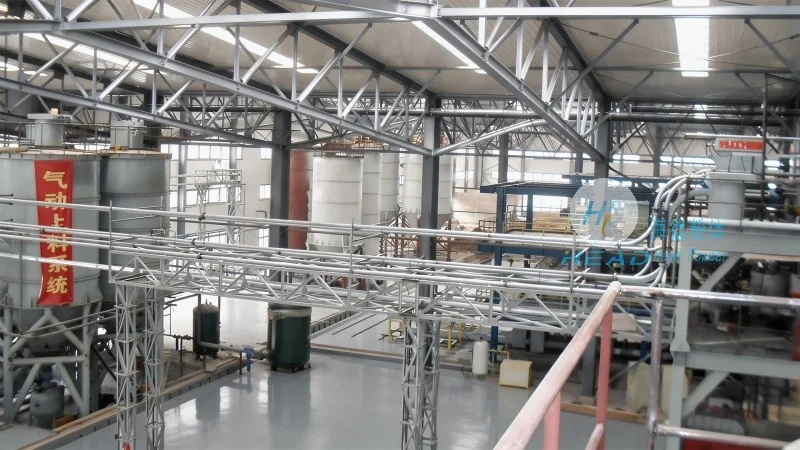
A typical oat pneumatic conveying system comprises several critical components that work in concert to ensure smooth and efficient material transport. The primary elements include the material feed unit, the air supply system, the conveying pipeline, the separation device, and the receiving container. Each component plays a vital role in the overall functionality of the system.
Material Feed Unit: Often equipped with a star valve or a screw feeder, this component ensures a controlled and consistent flow of oats into the system. The star valve regulates the amount of material entering the pipeline, preventing overloading and maintaining stable air pressure.
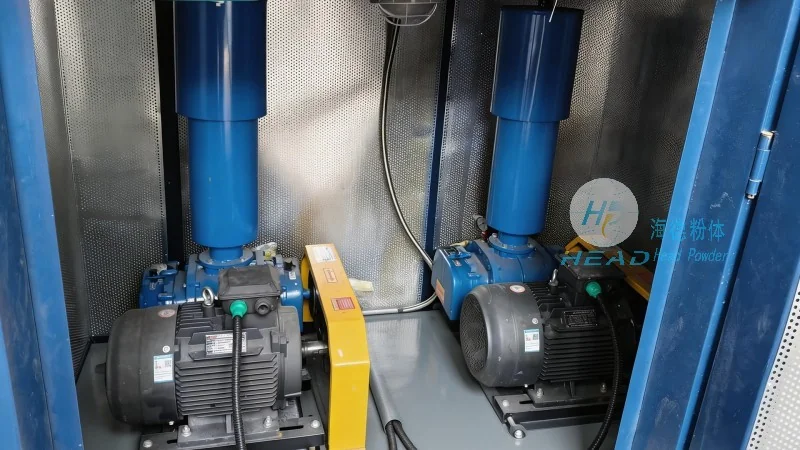
Air Supply System: This is typically powered by a roots blower or a centrifugal fan, which generates the necessary airflow and pressure to move the oats through the pipeline. The air volume and pressure are adjustable to match the conveying distance and material characteristics.
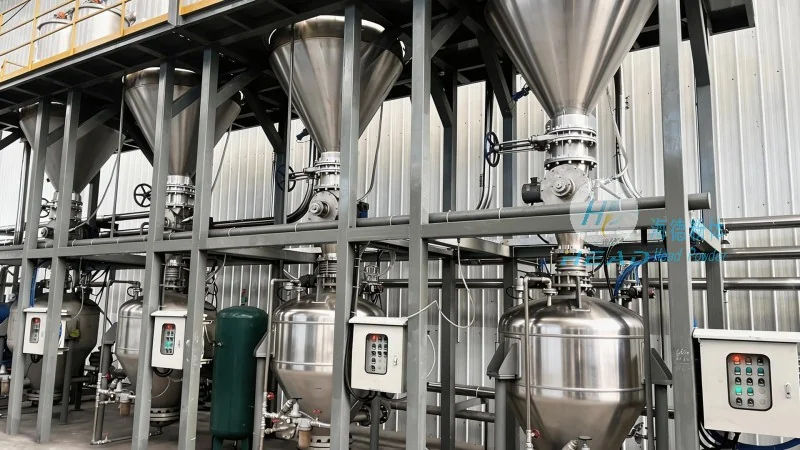
Conveying Pipeline: Made of durable materials such as stainless steel or PVC, the pipeline is designed to withstand the abrasive nature of oats and the pressure of the air flow. It includes various fittings like elbows, tees, and straight sections to direct the material along the desired path.
Separation Device: The most critical component for separating oats from the air stream. Commonly, a cyclone separator or a bag filter is used. The cyclone separator utilizes centrifugal force to separate the heavier oats from the lighter air, while the bag filter captures fine particles and dust, ensuring clean air discharge.
Receiving Container: The final component where the conveyed oats are collected. This can be a storage silo, a processing hopper, or a packaging machine, depending on the downstream application.
The operation process of an oat pneumatic conveying system follows a systematic sequence to ensure efficient material handling. Here is a step-by-step breakdown of how the system functions:
1. Material Loading: Oats are loaded into the feed hopper from a storage silo or a bulk container. The star valve or screw feeder then regulates the flow of oats into the conveying pipeline.
2. Air Supply Activation: The air supply system is activated, and the roots blower or fan generates the required airflow and pressure. The air is introduced into the pipeline at the inlet of the feed unit.
3. Material Conveying: As the air flows through the pipeline, it entrains the oats, creating a mixture of air and material. The combined flow moves the oats along the pipeline towards the separation device.
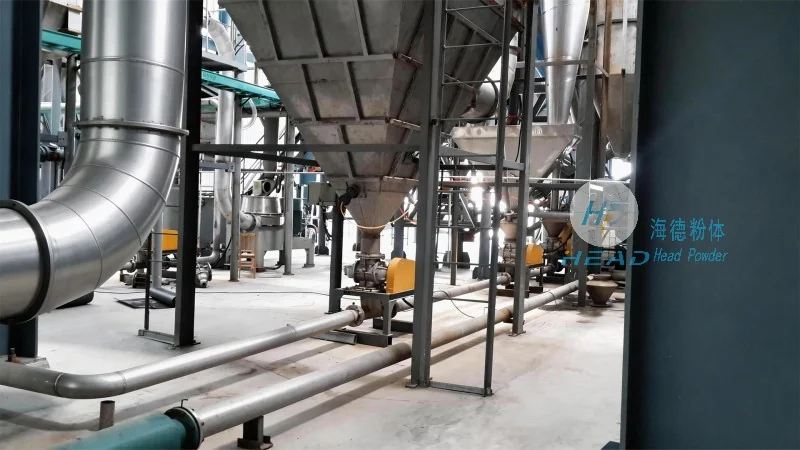
4. Separation and Collection: Upon reaching the separation device, the air and oats are separated. The oats, now heavier, fall into the receiving container due to gravity, while the air, carrying fine particles, is directed to the filtration system.
5. Air Filtration and Exhaust: The air passes through the cyclone separator or bag filter, where the fine particles are captured. The clean air is then discharged to the atmosphere, while the collected dust is removed for disposal or recycling.
6. System Shutdown: When the conveying operation is complete, the air supply is turned off, and the star valve closes to prevent material backflow. The system is then ready for the next batch of oats.

 Shandong Headpowder Engineering Co., Ltd.
 156-6277-7102(Manager Zhang)
  0531-83386006
  Zhangqiu District, Jinan City, Shandong Province, China
telephone
WeChatconsult
top