With more than 10‑year industry experience, Shandong Headpowder delivers full‑service pneumatic‑conveying systems and blowers, undertaking nationwide turn‑key powder‑handling projects.
Dry sand pneumatic conveying equipment is a specialized system designed for the efficient and safe transportation of dry sand materials over long distances or within industrial facilities. This technology is widely used in construction, mining, and manufacturing sectors where the handling of bulk dry sand is required. The equipment operates by using compressed air to move the sand particles through a pipeline network, ensuring a continuous and controlled flow of material. As a key component in material handling processes, this system enhances productivity and reduces labor costs by automating the sand transfer operation.
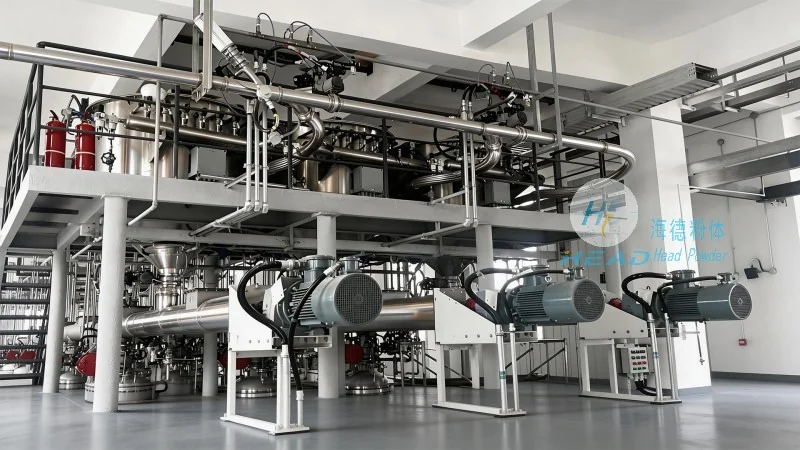
HeadPowder, the manufacturer behind this advanced pneumatic conveying solution, is a leading enterprise based in Shandong, China. With years of experience in engineering and manufacturing material handling equipment, HeadPowder specializes in developing customized solutions tailored to the specific needs of clients. The company's commitment to quality, innovation, and customer satisfaction has established it as a trusted name in the industry. HeadPowder's products are designed to meet international standards and are known for their durability, efficiency, and reliability in various operational environments.
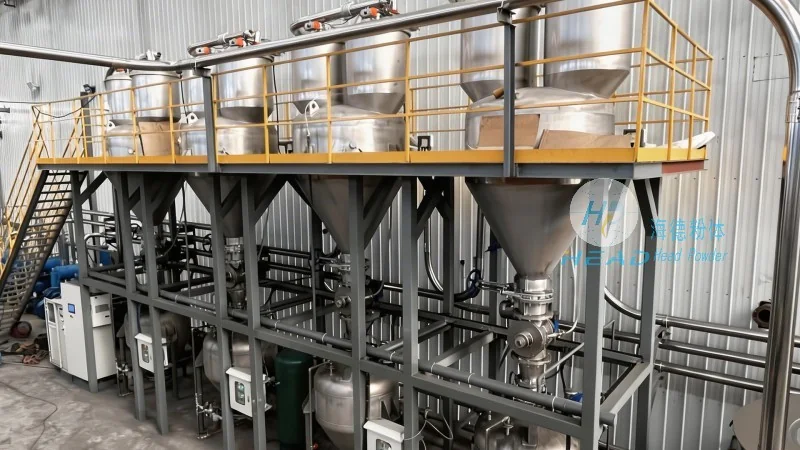
The dry sand pneumatic conveying system typically consists of several key components that work in tandem to achieve effective material transport. These components include a material feeder, a conveying pipeline, a pressure vessel or receiver, a blower or compressor, and a control system. The material feeder is responsible for feeding the dry sand into the system at a consistent rate, ensuring a steady flow of material. The conveying pipeline, often made of stainless steel or other corrosion-resistant materials, transports the sand particles under pressure. The pressure vessel or receiver collects the conveyed sand and allows for the separation of air and material. The blower or compressor provides the necessary air pressure to move the sand through the pipeline. The control system monitors and regulates the operation of all components, ensuring optimal performance and safety.
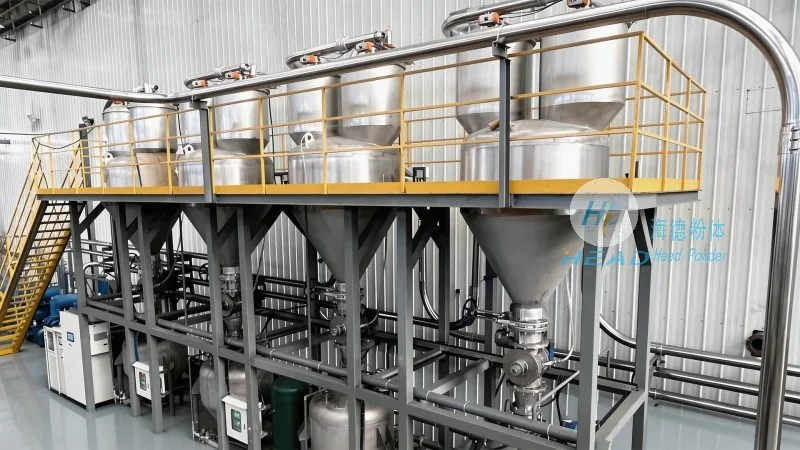
The operation of the dry sand pneumatic conveying equipment follows a systematic workflow that ensures efficient material transfer. The process begins with the loading of dry sand into the material feeder. The feeder then discharges the sand into the conveying pipeline, where it is mixed with compressed air. The air-sand mixture is then propelled through the pipeline by the blower or compressor. As the mixture travels, the sand particles are suspended and transported to the destination point, such as a storage silo or processing unit. At the receiving end, the pressure vessel separates the sand from the air, allowing the sand to be discharged into the target container. The air, now separated, is either recirculated or vented, depending on the system design. This continuous cycle ensures a seamless and uninterrupted flow of dry sand, minimizing downtime and maximizing productivity.
The working principle of the dry sand pneumatic conveying system is based on the principle of fluidization and pneumatic transport. When compressed air is introduced into the conveying pipeline, it creates a low-pressure environment that lifts the dry sand particles from the feeder. The air acts as a carrier, suspending the sand particles and moving them through the pipeline. The velocity of the air and the size of the sand particles determine the efficiency of the transport. For dry sand, which has a relatively low density and fine particle size, the system is optimized to maintain a stable flow without causing excessive wear or blockages. The system's design, including the angle of the pipeline and the pressure levels, is carefully engineered to ensure that the sand particles are conveyed smoothly and without degradation. This principle allows for the safe and efficient transfer of dry sand over long distances, even in challenging environments.
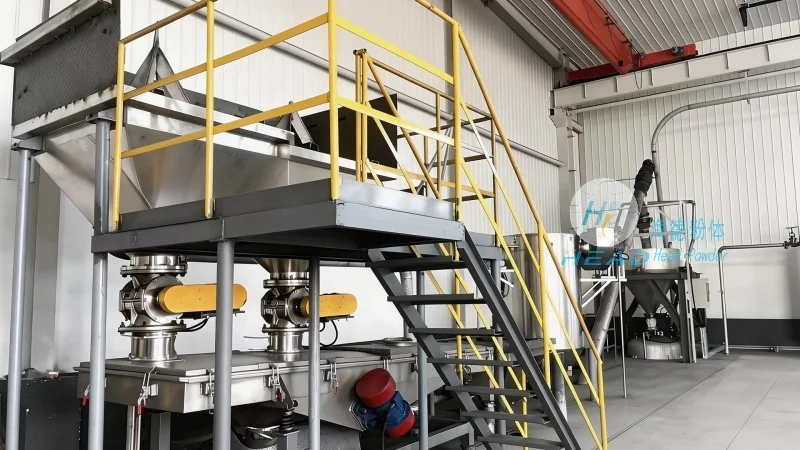
Dry sand pneumatic conveying equipment offers several advantages over traditional material handling methods, such as belt conveyors or bucket elevators. One of the primary benefits is the ability to transport dry sand in a closed system, which prevents dust contamination and protects the material from moisture and other environmental factors. This is particularly important for applications where the quality of the sand is critical, such as in construction or manufacturing. Another advantage is the flexibility of the system, which can be easily adapted to different operational requirements, including changes in material flow rates or destination points. The system also reduces the need for manual handling, improving workplace safety and reducing labor costs. Applications of this equipment include the transportation of dry sand from mining sites to processing facilities, the delivery of sand to construction sites, and the transfer of sand within manufacturing plants for further processing. In each of these applications, the dry sand pneumatic conveying system enhances operational efficiency and ensures consistent material quality.

 Shandong Headpowder Engineering Co., Ltd.
 156-6277-7102(Manager Zhang)
  0531-83386006
  Zhangqiu District, Jinan City, Shandong Province, China
telephone
WeChatconsult
top