With more than 10‑year industry experience, Shandong Headpowder delivers full‑service pneumatic‑conveying systems and blowers, undertaking nationwide turn‑key powder‑handling projects.
Understanding the operation and working principles of a sodium sulfate powder pneumatic conveying system is crucial for optimizing material handling efficiency in industrial applications. This system, designed by Shandong HeadPowder Engineering Co., Ltd., based in China, offers a reliable solution for transporting sodium sulfate powder through an air-based system. The following sections provide a detailed overview of the system's functionality, operational steps, and key technical aspects.
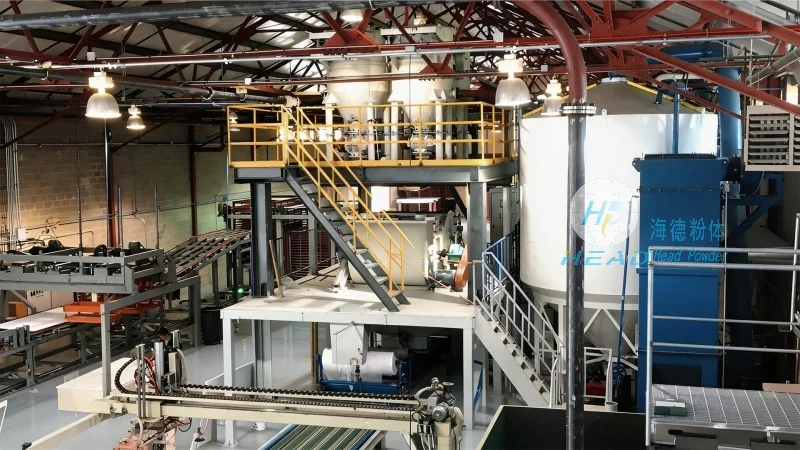
The sodium sulfate powder pneumatic conveying system comprises several critical components that work in tandem to ensure efficient material transport. These include a hopper for storing the powder, a rotary airlock valve to control the flow of material, a positive displacement blower or air compressor to generate the necessary air pressure, a pipeline network for conveying the powder-air mixture, and a receiver or discharge point where the material is deposited. Each component plays a vital role in maintaining the system's performance and preventing issues such as blockages or dust emissions.
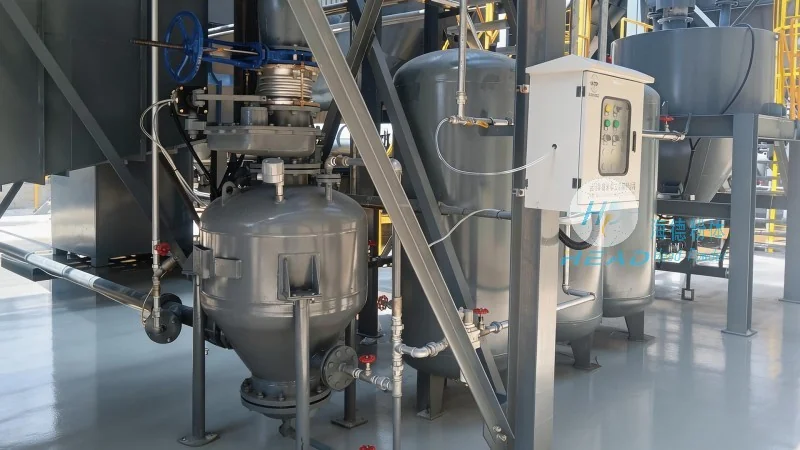
The core principle of the system is the use of compressed air to transport the sodium sulfate powder particles. When the rotary airlock valve opens, a controlled amount of powder is released into the pipeline. Simultaneously, the blower supplies high-pressure air, which creates a flow that carries the powder particles through the system. The air and powder mixture travels through the pipeline, with the air providing the necessary momentum to move the material. The receiver at the end of the pipeline collects the powder as the air is separated and either recirculated or vented, depending on the system design. This process ensures that the sodium sulfate powder is transported safely and efficiently without the need for mechanical components that could cause wear or contamination.
The operation of the sodium sulfate powder pneumatic conveying system follows a systematic sequence of steps to ensure smooth material handling. First, the hopper is filled with sodium sulfate powder, and the system is checked for any obstructions or leaks. Next, the rotary airlock valve is activated to regulate the powder flow into the pipeline. The blower is then started, and the air pressure is adjusted to the optimal level for conveying the specific powder characteristics. As the system operates, the powder is continuously transported from the hopper to the receiver. During this process, the system monitors air pressure and flow rates to maintain consistent performance. If any issues arise, such as a blockage or pressure drop, the system's safety features activate to prevent damage and ensure operator safety. The entire operation is designed to be automated or semi-automated, reducing the need for manual intervention and minimizing the risk of human error.
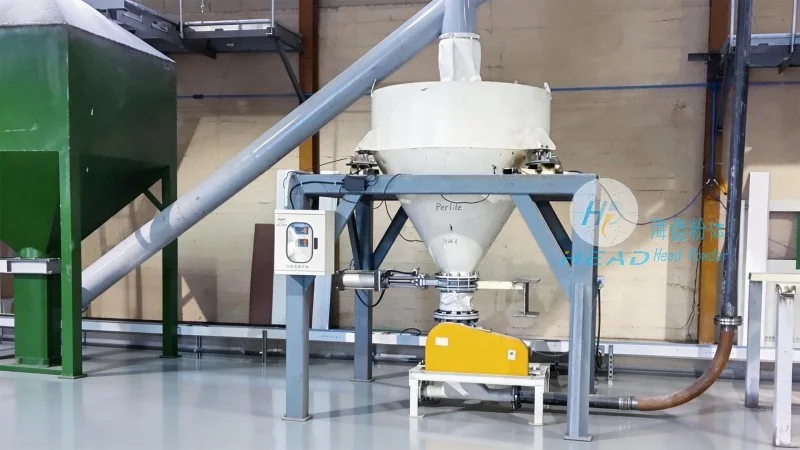
Shandong HeadPowder Engineering Co., Ltd.'s sodium sulfate powder pneumatic conveying system offers several technical advantages that enhance its performance and reliability. The system's air-based design eliminates the need for mechanical conveyors, which can cause wear and tear on the material and equipment. This reduces maintenance costs and extends the system's operational life. Additionally, the system can handle a wide range of powder characteristics, including varying particle sizes and moisture content, without compromising performance. The adjustable air pressure and flow rates allow for customization to suit different application requirements, ensuring optimal transport efficiency. The system also incorporates dust control measures, such as cyclone separators or filtration systems, to minimize environmental impact and maintain a safe working environment. These features make the system suitable for various industrial applications, including chemical processing, food production, and pharmaceutical manufacturing.

 Shandong Headpowder Engineering Co., Ltd.
 156-6277-7102(Manager Zhang)
  0531-83386006
  Zhangqiu District, Jinan City, Shandong Province, China
telephone
WeChatconsult
top