With more than 10‑year industry experience, Shandong Headpowder delivers full‑service pneumatic‑conveying systems and blowers, undertaking nationwide turn‑key powder‑handling projects.
Thermoplastic polyurethane (TPU) pneumatic conveying systems represent a sophisticated solution for handling and transporting bulk materials in industrial settings. The technology combines the benefits of thermoplastic polyurethane's flexibility and durability with the efficiency of pneumatic conveying, offering a reliable method for material transfer in various applications.
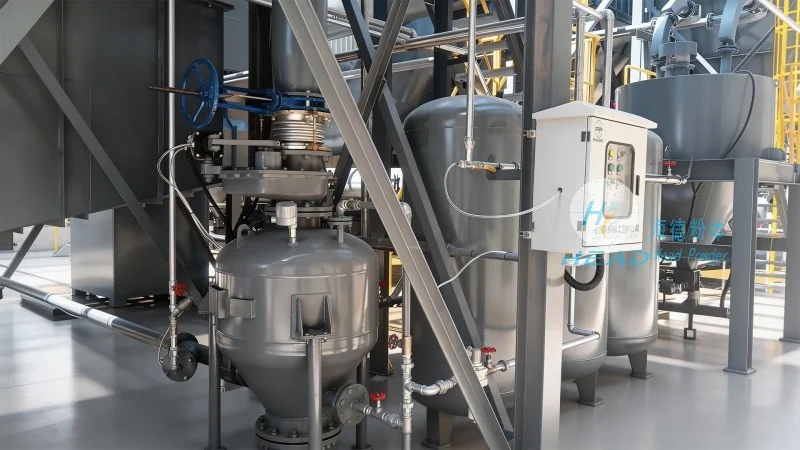
Thermoplastic polyurethane, a versatile polymer known for its excellent abrasion resistance, flexibility, and chemical stability, is widely used in pneumatic conveying systems. These systems are designed to transport dry bulk materials through a pipeline using air or gas as the conveying medium. The process is particularly effective for materials that are difficult to handle with traditional mechanical conveyors, such as powders, granules, and fine particles.
The thermoplastic polyurethane pneumatic conveying system typically consists of several critical components that work in tandem to ensure efficient material transport. These include the material hopper, which stores the bulk material; the feeder, which controls the flow rate of the material into the system; the conveying line, which is made from thermoplastic polyurethane to withstand the abrasive nature of the material; the air compressor or blower, which generates the necessary air pressure; and the receiver, where the material is deposited after being conveyed.
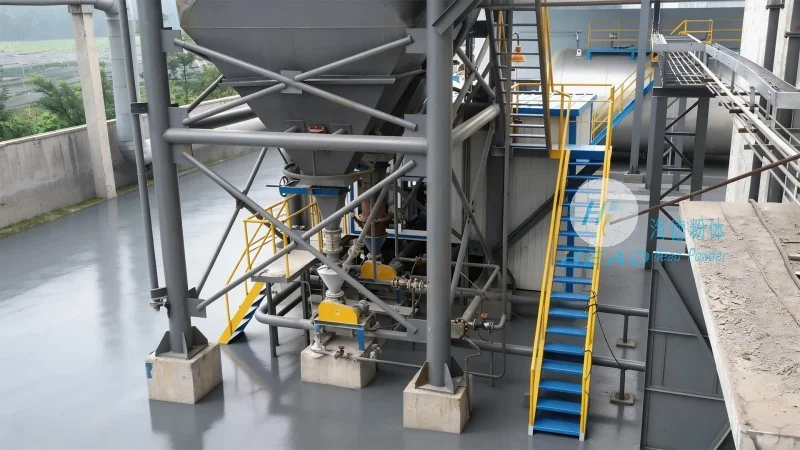
The operation process begins with the material being loaded into the hopper. The feeder then regulates the material flow, ensuring a consistent rate of material introduction. Simultaneously, the air compressor generates the required air pressure, which is introduced into the conveying line. As the material is fed into the line, the air flow propels the material particles forward, creating a dense phase or dilute phase conveying condition depending on the system design and material characteristics. The material travels through the thermoplastic polyurethane pipeline, which is engineered to resist wear and maintain structural integrity under continuous operation. Upon reaching the receiver, the material is discharged, completing the conveying cycle.
The working principle of thermoplastic polyurethane pneumatic conveying relies on the interaction between the material particles and the air flow within the conveying line. In a dense phase conveying system, the air velocity is relatively low, and the material moves in a plug-like fashion, minimizing particle breakage and degradation. This is particularly advantageous for delicate or sensitive materials. In contrast, dilute phase systems use higher air velocities, allowing for faster material transport over longer distances. The thermoplastic polyurethane material of the pipeline is chosen for its ability to handle the abrasive nature of the conveyed material, preventing wear and ensuring long service life. The system's efficiency is further enhanced by the smooth interior surface of the TPU pipeline, which reduces friction and energy consumption.
Thermoplastic polyurethane pneumatic conveying systems offer several advantages over traditional conveying methods. The primary benefit is the ability to handle abrasive materials without significant wear on the conveying components. The flexibility of TPU allows the system to accommodate bends and changes in direction, reducing the need for complex and costly infrastructure. Additionally, the system is highly adaptable to different material types and flow rates, making it suitable for a wide range of industrial applications. The low maintenance requirements and long service life of TPU pipelines also contribute to cost savings over the system's operational lifespan.
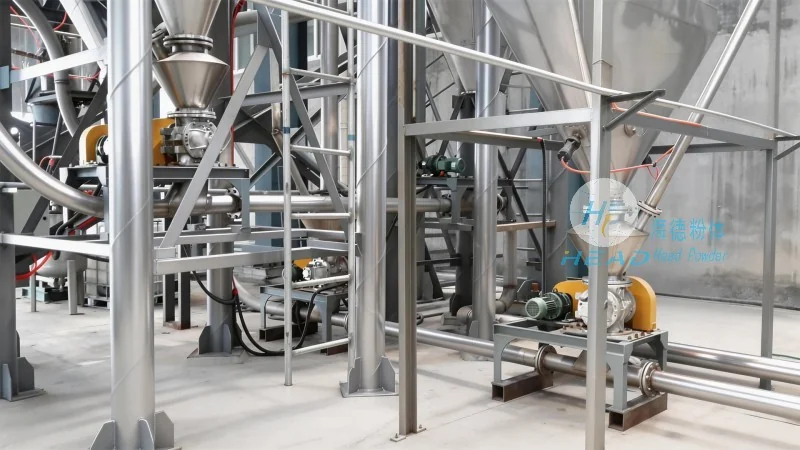
Thermoplastic polyurethane pneumatic conveying systems are widely used in various industrial sectors, including food processing, pharmaceuticals, chemicals, and mining. In the food industry, the system is used to transport powders and granules, such as flour, sugar, and spices, while maintaining hygiene and preventing contamination. In the pharmaceutical industry, the system ensures the safe and sterile transfer of raw materials and finished products. The chemical industry utilizes the system for handling abrasive powders and granules, such as pigments and catalysts. In mining operations, the system is employed to transport bulk materials like coal and minerals over long distances with minimal downtime.
Thermoplastic polyurethane pneumatic conveying systems provide an efficient, reliable, and durable solution for bulk material handling in industrial applications. The combination of TPU's excellent properties with the principles of pneumatic conveying results in a system that is well-suited for a variety of challenging material transfer tasks. With proper design and maintenance, these systems can deliver long-term performance and contribute to increased productivity in industrial operations. As a leading provider in this field, Shandong HeadPowder Engineering Co., Ltd. specializes in the design, manufacturing, and installation of thermoplastic polyurethane pneumatic conveying systems, ensuring that clients receive tailored solutions that meet their specific operational needs.

 Shandong Headpowder Engineering Co., Ltd.
 156-6277-7102(Manager Zhang)
  0531-83386006
  Zhangqiu District, Jinan City, Shandong Province, China
telephone
WeChatconsult
top