With more than 10‑year industry experience, Shandong Headpowder delivers full‑service pneumatic‑conveying systems and blowers, undertaking nationwide turn‑key powder‑handling projects.
For industrial applications involving the handling of anhydrous sodium sulfate, efficient and reliable material transport is crucial. Air-pneumatic conveying systems have emerged as a preferred method due to their ability to handle bulk materials like anhydrous sodium sulfate with minimal maintenance and operational complexity. This article delves into the operation process and working principle of such systems, highlighting the technical aspects and practical considerations for optimal performance.
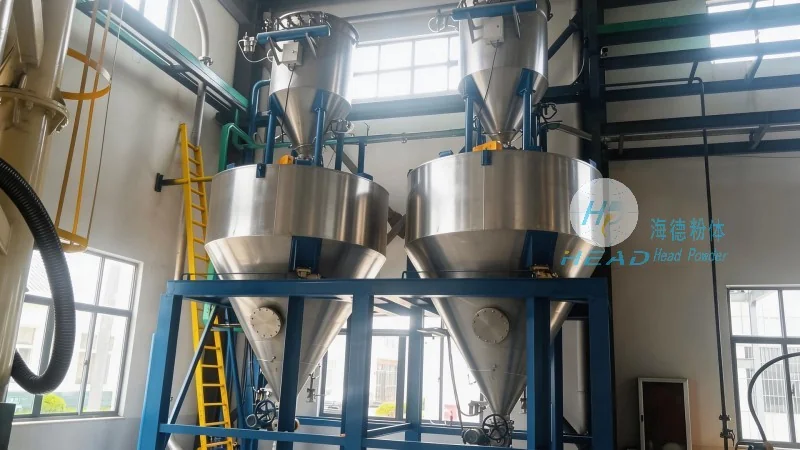
HeadPowder, a leading provider in the field of material handling solutions, specializes in the design, manufacturing, and installation of advanced air-pneumatic conveying systems. With a strong focus on innovation and customer-centric solutions, the company has established itself as a trusted partner for industries requiring efficient material transport. HeadPowder’s expertise lies in tailoring systems to meet specific operational needs, ensuring durability, energy efficiency, and compliance with industry standards.
Anhydrous sodium sulfate, also known as sodium sulfate anhydrous, is a white crystalline powder widely used in various industries, including glass manufacturing, detergents, and food processing. Its handling presents unique challenges due to its granular nature and potential for dust generation. Air-pneumatic conveying systems are particularly suited for this application as they can transport the material in a closed system, minimizing environmental impact and ensuring product purity.
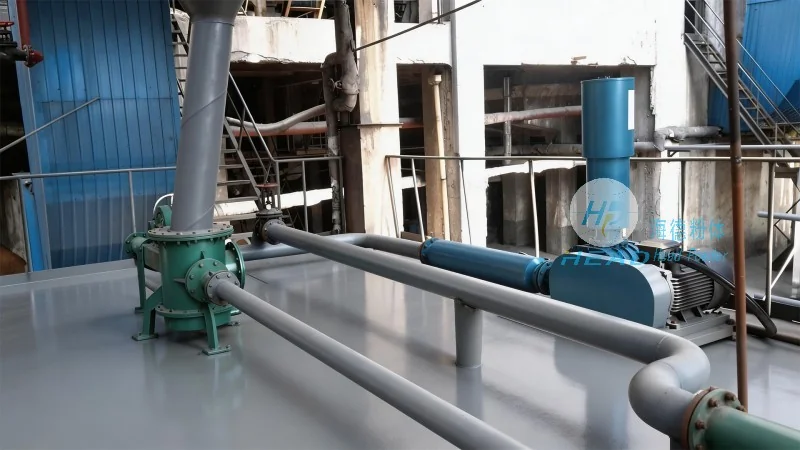
An air-pneumatic conveying system for anhydrous sodium sulfate typically consists of several key components, each playing a vital role in the overall operation. These components include the material hopper, feeder, conveying line, air compressor, and control system. The material hopper serves as the storage vessel, holding the anhydrous sodium sulfate until it is ready for transport. The feeder, often a rotary valve or screw feeder, regulates the flow of material into the conveying line, ensuring a consistent feed rate. The conveying line, usually made of stainless steel or other corrosion-resistant materials, transports the material through the system under pressure.
The operation of an air-pneumatic conveying system for anhydrous sodium sulfate involves a series of coordinated steps to ensure smooth material transport. The process begins with the loading of the material into the hopper. Once the hopper is filled, the feeder starts to discharge the material into the conveying line. Simultaneously, the air compressor generates a high-pressure air stream that is introduced into the conveying line. This air stream creates a negative pressure environment within the line, drawing the material particles along with it. The material is then transported from the hopper to the discharge point, where it is collected in a receiving hopper or directly into the processing equipment.
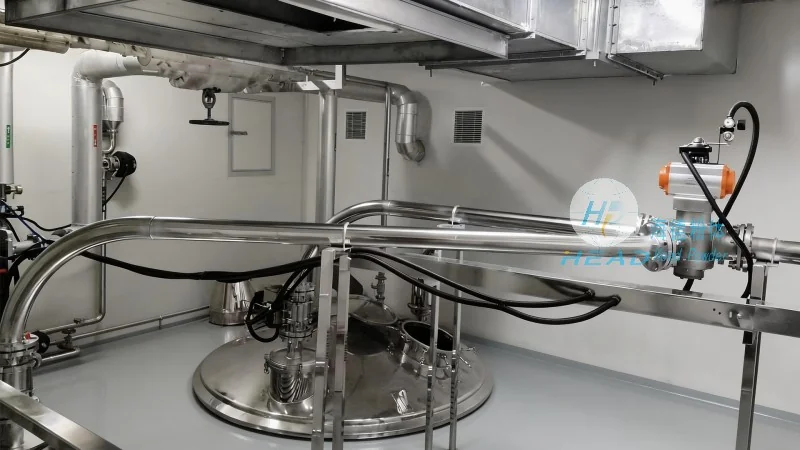
The working principle of an air-pneumatic conveying system relies on the interaction between air flow and material particles. The system operates on the principle of pneumatic transport, where the material is suspended and carried by the air stream. As the air flows through the conveying line, it creates a pressure differential that propels the material forward. The velocity of the air stream is carefully controlled to ensure that the material particles are fully entrained without causing excessive wear on the system components. This principle allows for efficient and continuous transport of anhydrous sodium sulfate, even over long distances.
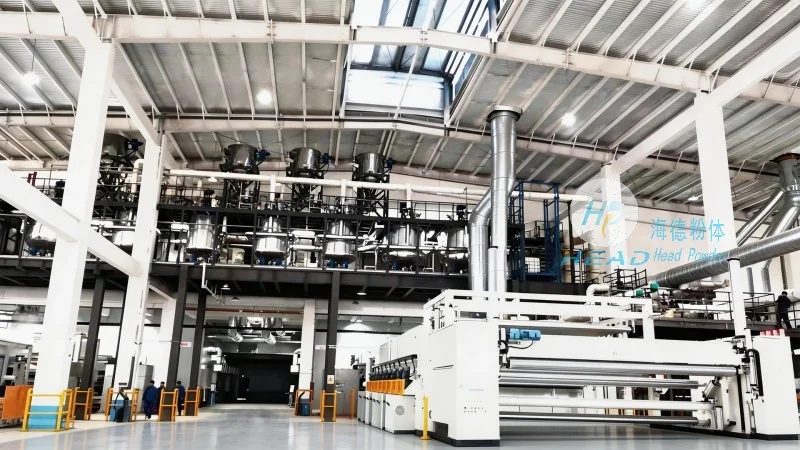
To ensure the longevity and efficiency of an air-pneumatic conveying system for anhydrous sodium sulfate, several factors must be considered. Regular maintenance is essential to prevent clogging and ensure consistent performance. The system should be designed to handle the specific characteristics of anhydrous sodium sulfate, such as its particle size and moisture content. Additionally, the air compressor and control system must be properly sized to meet the operational demands, avoiding overloading or underperformance. HeadPowder’s expertise in system design and maintenance ensures that clients receive reliable and long-lasting solutions tailored to their specific needs.
Air-pneumatic conveying systems offer significant advantages for the handling of anhydrous sodium sulfate, including reduced labor costs, improved safety, and enhanced product quality. By leveraging the expertise of companies like Shandong HeadPowder Engineering Co., Ltd., industries can implement efficient material transport solutions that meet their operational requirements. The combination of advanced technology and professional service ensures that anhydrous sodium sulfate is handled safely and effectively, contributing to overall operational efficiency and productivity.

 Shandong Headpowder Engineering Co., Ltd.
 156-6277-7102(Manager Zhang)
  0531-83386006
  Zhangqiu District, Jinan City, Shandong Province, China
telephone
WeChatconsult
top