

Principle and Working Scene Characteristics of Sawdust and Wood Flour Powder Pneumatic Conveying Equ
Shandong HeadPowder Engineering Co., Ltd. specializes in the design, manufacturing, and supply of pneumatic conveying equipment tailored for handling sawdust and wood flour powders. With operations based in Shandong, China, the company leverages advanced engineering solutions to address the unique challenges of transporting fine wood-based powders efficiently and reliably.
Principle of Pneumatic Conveying Systems for Sawdust and Wood Flour
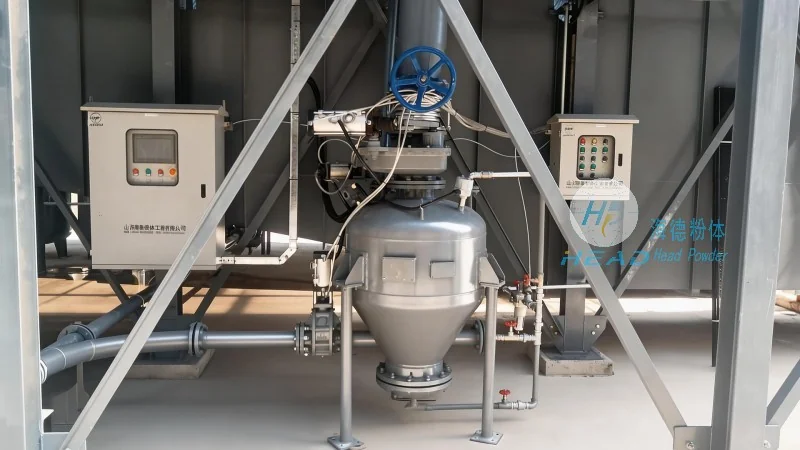
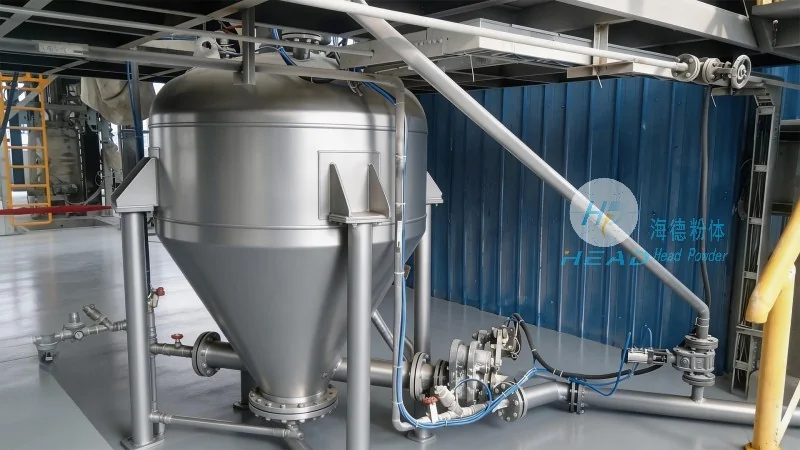
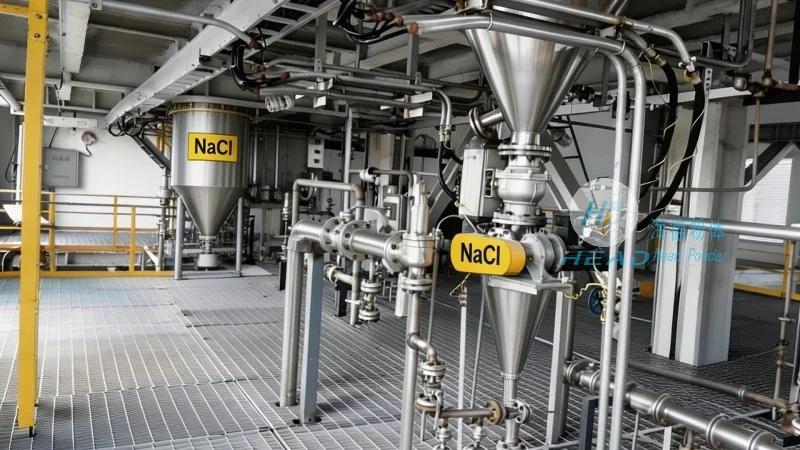
The core principle of the sawdust and wood flour powder pneumatic conveying equipment lies in the use of air as the conveying medium. This system typically operates under either positive pressure (pressure pneumatic conveying) or negative pressure (vacuum pneumatic conveying), depending on the specific application requirements. In a positive pressure system, a high-capacity blower or compressor generates pressurized air that propels the fine powder particles through a sealed pipeline network. The system components include a feed hopper equipped with a rotary valve or star feeder to regulate the material flow rate, ensuring consistent and controlled feeding. The pipeline system comprises straight sections and curved elbows designed to minimize pressure drop and maintain efficient air flow. At the receiving end, a cyclone separator or bag filter effectively separates the powder from the air stream, with the separated powder collected in a discharge bin and the air either recirculated back to the blower or filtered through a dust collector for safe release. This closed-loop or open-loop system design ensures minimal product loss, prevents dust contamination, and maintains a clean working environment, which is critical when handling sawdust and wood flour that are prone to dust generation and potential fire hazards.
Working Scene Characteristics and Application Advantages
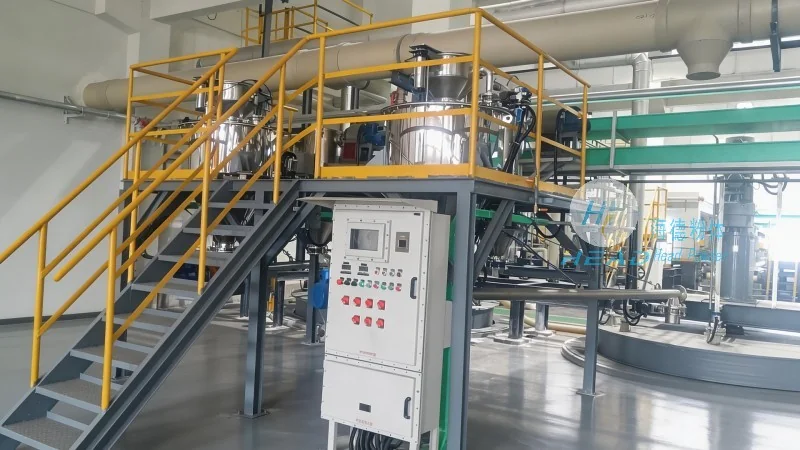
The sawdust and wood flour powder pneumatic conveying equipment is particularly suited for industrial environments such as sawmills, wood pellet production facilities, and furniture manufacturing plants. In these settings, the equipment offers several key advantages over traditional mechanical conveying methods. Firstly, it provides a dust-free and clean operation, which is crucial for maintaining a safe and healthy workplace, especially when dealing with fine powders that can cause respiratory issues or fire hazards. Secondly, the system enables long-distance and high-capacity material transport, reducing the need for multiple transfer points and manual handling, thereby increasing overall production efficiency. Additionally, the equipment is designed to handle varying particle sizes and moisture content of sawdust and wood flour, ensuring consistent performance even with fluctuating material properties. The modular design of the system allows for easy integration into existing production lines, with minimal downtime during installation and maintenance. This flexibility makes it an ideal solution for both new and retrofit projects in the wood processing industry. For instance, in a sawmill, the equipment can efficiently transport sawdust from the cutting area to a storage silo or pelletizing machine, while in a wood pellet plant, it can convey wood flour from a grinding unit to a drying or pelletizing section. The ability to handle high volumes of material with minimal human intervention not only improves productivity but also reduces labor costs and operational risks associated with manual handling of powders.