

Principle and Working Scene Characteristics of Quantitative Feeding Powder Pneumatic Conveying Syste
HeadPowder, a leading engineering company based in Shandong, China, specializes in the design and implementation of advanced quantitative feeding powder pneumatic conveying systems. These systems are engineered to efficiently transport bulk powders over varying distances with precise control over feed rates, ensuring consistent material handling in industrial applications.
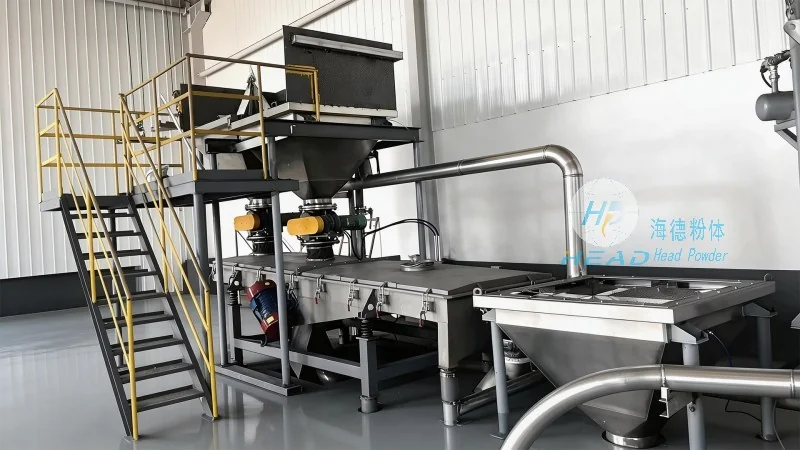
Overview of Quantitative Feeding Powder Pneumatic Conveying Systems
Quantitative feeding powder pneumatic conveying systems utilize a combination of mechanical and pneumatic technologies to achieve accurate and reliable powder transport. The core principle involves feeding bulk powders into a conveying pipeline using a controlled feeding mechanism, while compressed air or other gas is introduced to create a flow that propels the material through the system. This approach eliminates the need for traditional mechanical conveyors, such as screw or belt conveyors, which can suffer from issues like material buildup, blockages, and contamination.
Key Components and Operational Principles
The system typically consists of several critical components, each playing a vital role in the overall operation. The primary components include a quantitative feeder, which ensures a consistent and adjustable feed rate of the powder; a conveying pipeline network that transports the material from the source to the destination; a gas source, such as a blower or compressor, that provides the necessary air pressure to move the powder; and a control system that monitors and adjusts the feed rate and air pressure in real-time. The quantitative feeder may be a screw feeder, vibratory feeder, or other type of feeder designed to maintain a steady flow rate, which is crucial for applications requiring precise material dosing.
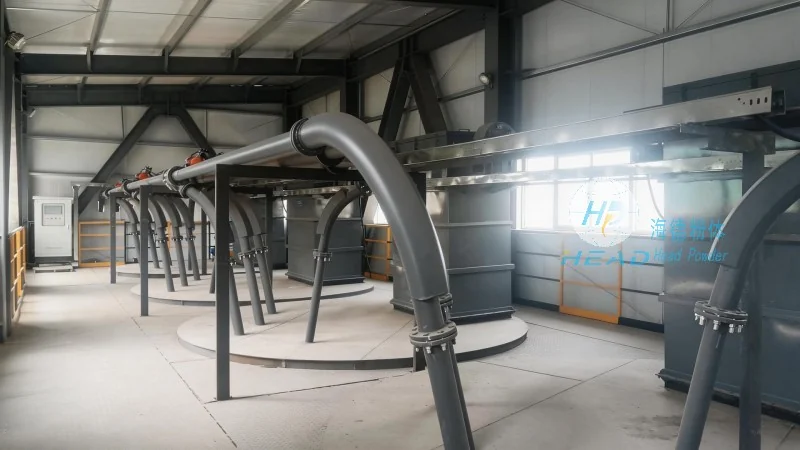
Working Scene Characteristics and Applications
The working scene characteristics of quantitative feeding powder pneumatic conveying systems are tailored to meet the diverse needs of various industrial sectors. These systems are commonly employed in industries such as chemical manufacturing, pharmaceutical production, food processing, and mining, where the transport of fine or bulk powders is essential. In chemical plants, for example, the system can handle reactive powders with high precision, minimizing the risk of contamination and ensuring compliance with safety regulations. In pharmaceutical facilities, the system's ability to maintain a sterile environment and prevent cross-contamination is critical, making it suitable for transporting active pharmaceutical ingredients (APIs) and other sensitive materials.
In food processing applications, the system is often used to transport ingredients like flour, sugar, and spices, where hygiene and product integrity are paramount. The pneumatic conveying method avoids direct contact with the material, reducing the risk of contamination from equipment surfaces. Additionally, the system can handle powders with varying properties, such as moisture content or particle size, by adjusting the air flow and feed rate to maintain optimal conveying conditions.
Advantages and Performance in Different Working Scenarios
One of the key advantages of quantitative feeding powder pneumatic conveying systems is their ability to operate in a wide range of working scenarios, from small-scale laboratory applications to large-scale industrial production lines. The system's flexibility allows it to be adapted to different distances, from short horizontal or vertical runs to long-distance horizontal or inclined transport. In high-dust environments, the system can be equipped with dust collection and filtration systems to ensure compliance with environmental regulations and maintain worker safety. The pneumatic conveying method also reduces the risk of material spillage and product degradation compared to mechanical conveyors, which can cause abrasion or heat buildup.
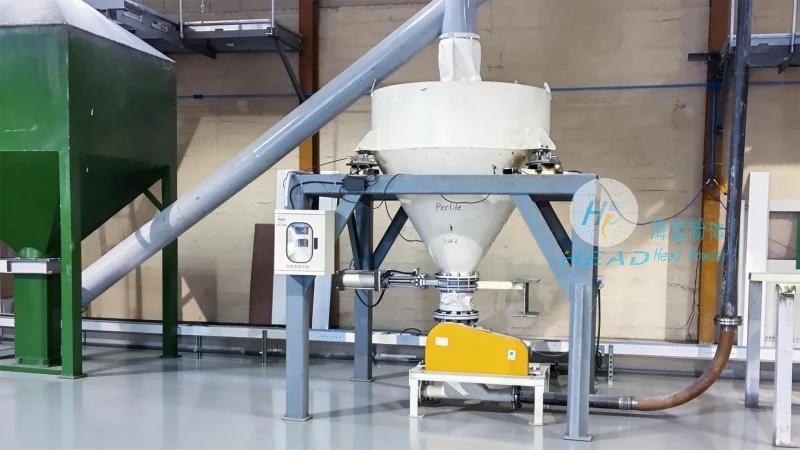
Furthermore, the system's quantitative feeding capability provides precise control over the material flow rate, which is essential for processes that require consistent dosing, such as mixing, blending, or packaging. This precision helps to improve product quality and reduce waste, as over or under-dosing can lead to product defects or inefficiencies. The control system, often integrated with sensors and automation technology, allows for real-time monitoring and adjustment of the feed rate, ensuring that the system operates at optimal performance levels under varying conditions.
Conclusion and Company Expertise
Quantitative feeding powder pneumatic conveying systems represent a sophisticated solution for efficient and reliable powder transport in diverse industrial applications. By combining precise feeding mechanisms with pneumatic conveying technology, these systems offer significant advantages over traditional methods, including improved safety, reduced maintenance, and enhanced product quality. HeadPowder Engineering Co., Ltd., with its headquarters in Shandong, China, has extensive experience in designing and implementing such systems, catering to the specific needs of various industries and ensuring optimal performance in different working scenarios.