

Principle and Working Scene Characteristics of Brown Sugar Material Conveying Lines
HeadPowder, a leading engineering company based in Shandong, China, specializes in the design and manufacturing of advanced material handling systems tailored for various industrial applications. This article delves into the fundamental principles of brown sugar material conveying lines and highlights the key characteristics of their working scenarios, providing a comprehensive overview for industry professionals seeking efficient and reliable solutions for sugar processing operations.
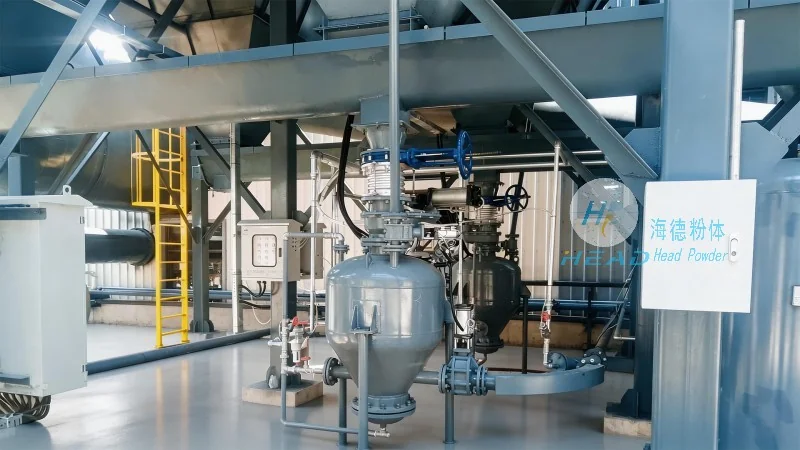
Understanding the Core Principles of Brown Sugar Material Conveying Lines
Brown sugar material conveying lines are engineered to transport bulk materials, such as raw sugar, molasses, and other sugar-related products, with precision and efficiency. The core principle revolves around the integration of mechanical components, including conveyor belts, rollers, and control systems, to ensure smooth material flow from the initial processing stage to the final packaging or storage. These systems are designed to handle the unique properties of brown sugar, which may include high moisture content, sticky textures, and varying particle sizes, requiring specialized equipment to prevent clogging and maintain consistent throughput.
The mechanical design of these conveying lines typically incorporates heavy-duty components capable of withstanding the abrasive nature of sugar materials. For instance, the conveyor belts are often made from food-grade materials, such as rubber or PVC, to ensure compliance with hygiene standards and prevent contamination. Additionally, the use of adjustable speed controls and variable tension mechanisms allows operators to optimize the conveying process based on the specific characteristics of the material being handled, enhancing operational flexibility and reducing downtime.
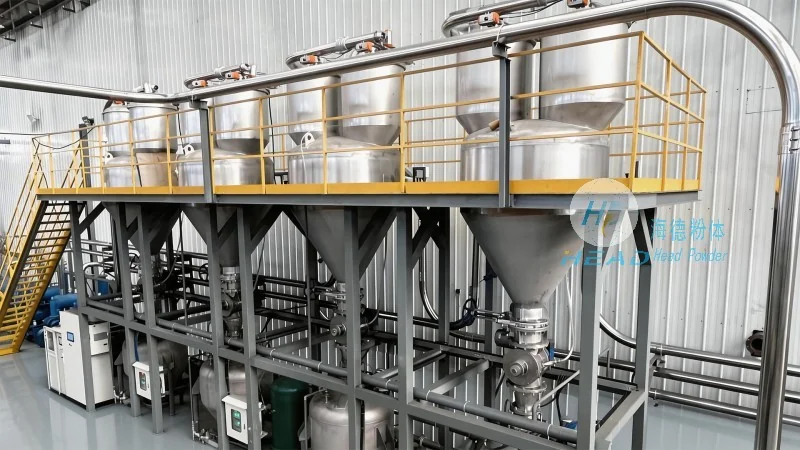
Key Working Scene Characteristics of Brown Sugar Material Conveying Lines
The working scenarios of brown sugar material conveying lines vary significantly depending on the stage of the sugar production process. In the initial stages, such as raw sugar reception and storage, the conveying systems are designed to handle large volumes of bulk material, often from trucks or storage silos, and transport it to processing units. This phase emphasizes durability and high capacity to accommodate the high volume of incoming raw materials.
During the intermediate processing stages, the conveying lines may be used to transport molasses, a viscous byproduct of sugar refining, from evaporators to storage tanks or further processing equipment. The design of these systems must address the high viscosity and potential for solidification, incorporating features like heated conveyor sections and anti-stick coatings to ensure unobstructed flow. This ensures that the molasses can be efficiently transferred without clogging or degradation of quality.
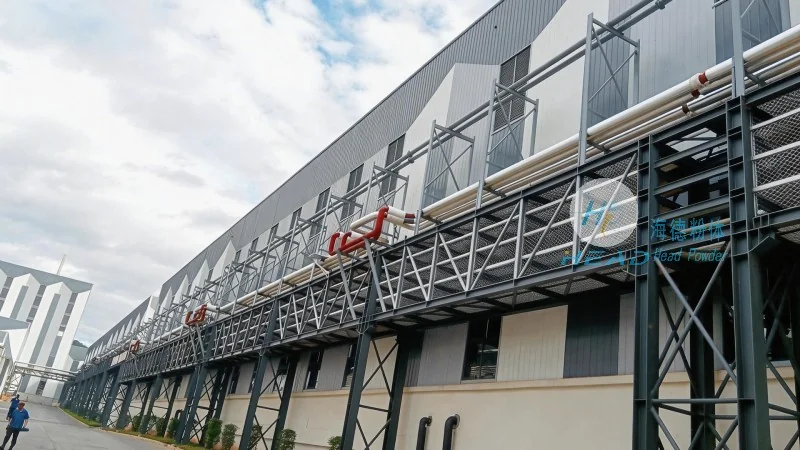
In the final stages, the conveying lines are crucial for transporting refined brown sugar or other finished products to packaging lines or storage facilities. The working characteristics in this phase focus on precision and cleanliness, as the final product must meet strict quality and hygiene standards. The systems are often equipped with dust control mechanisms and sanitary design features to maintain a clean environment, preventing contamination and ensuring product integrity.
Advantages and Practical Applications in Sugar Processing
The implementation of brown sugar material conveying lines by Shandong HeadPowder Engineering Co., Ltd. offers several advantages that enhance overall operational efficiency in sugar processing facilities. By automating the material handling process, these systems reduce the need for manual labor, minimizing human error and improving safety in the workplace. The consistent and reliable flow of materials also helps in maintaining steady production rates, which is critical for meeting market demands and optimizing resource utilization.
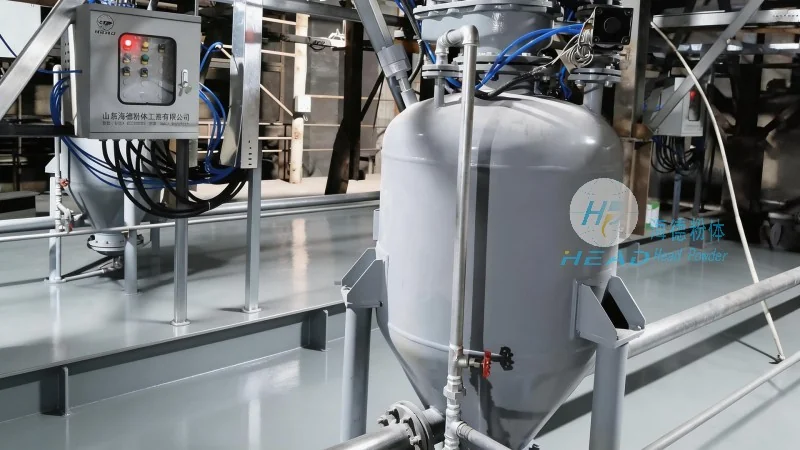
Furthermore, the modular design of these conveying lines allows for easy integration with existing production lines, enabling companies to upgrade their facilities without major disruptions. This flexibility is particularly beneficial for sugar processing plants that may need to adapt to changing production requirements or expand their operations. The use of advanced control systems also provides real-time monitoring and data analysis capabilities, allowing operators to identify potential issues early and implement corrective measures promptly.
HeadPowder's brown sugar material conveying lines are engineered to meet the specific needs of sugar manufacturers, ensuring that each system is tailored to the unique challenges of the application. Whether it's handling raw sugar in large-scale production or processing molasses in intermediate stages, these systems deliver consistent performance and reliability, contributing to the overall success of sugar processing operations. By leveraging the expertise of Shandong HeadPowder Engineering Co., Ltd., sugar processing facilities can enhance their operational efficiency, reduce costs, and maintain high standards of product quality.