With more than 10‑year industry experience, Shandong Headpowder delivers full‑service pneumatic‑conveying systems and blowers, undertaking nationwide turn‑key powder‑handling projects.
Automatic material feeding conveying lines represent a cornerstone of modern industrial automation, designed to streamline the process of transporting and delivering raw materials or components into production workflows. These systems are integral to manufacturing environments where efficiency, precision, and reliability are non-negotiable. By integrating advanced mechanical, electrical, and control technologies, these lines enable seamless material handling, reducing the need for manual intervention and minimizing operational disruptions. The primary objective of such systems is to ensure a continuous, controlled flow of materials from storage to the processing or assembly stage, thereby optimizing overall production throughput.
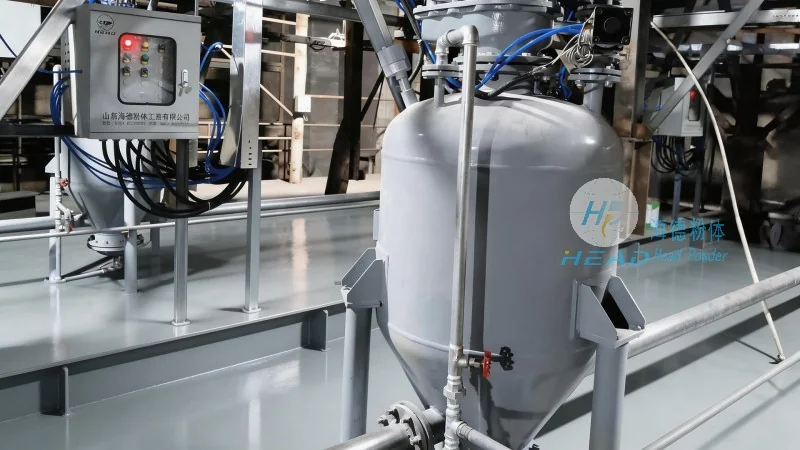
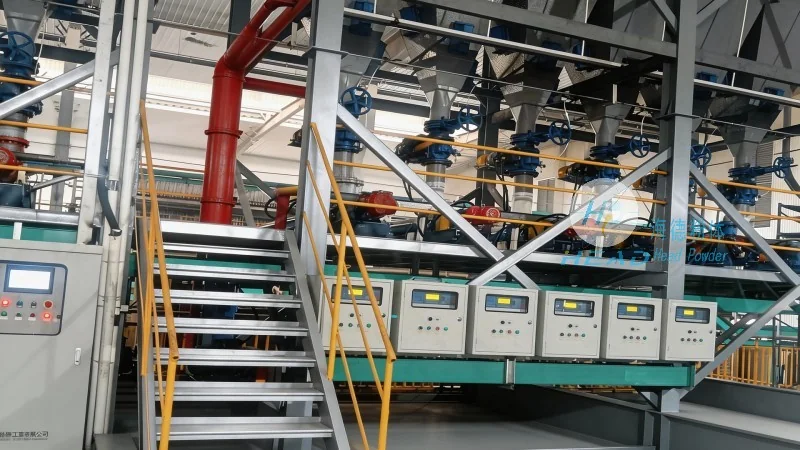
The operational principle of an automatic material feeding conveying line is rooted in a systematic approach to material handling, leveraging sensors, actuators, and control logic to achieve precise coordination. The system typically begins with a material hopper or storage container, which holds the raw material. A level sensor or weight indicator monitors the material level, triggering the feeding mechanism when the level drops below a predefined threshold. The feeding mechanism, which may be a vibratory feeder, screw conveyor, or belt feeder, then dispenses the material into the conveyor system. The conveyor, often a belt or chain-driven mechanism, transports the material to the downstream processing station. A programmable logic controller (PLC) or industrial computer serves as the central control unit, coordinating all functions—such as feeding speed, conveyor movement, and material flow—to ensure synchronization with the production line. This closed-loop control system allows for real-time adjustments based on production demands, such as scaling feed rates during peak production or pausing the conveyor when the downstream process is idle. The integration of these components ensures that the system operates with high accuracy and minimal downtime, making it suitable for high-volume manufacturing. Additionally, advanced features like position sensors and feedback loops enable the system to detect and correct deviations in material flow, further enhancing reliability and performance.
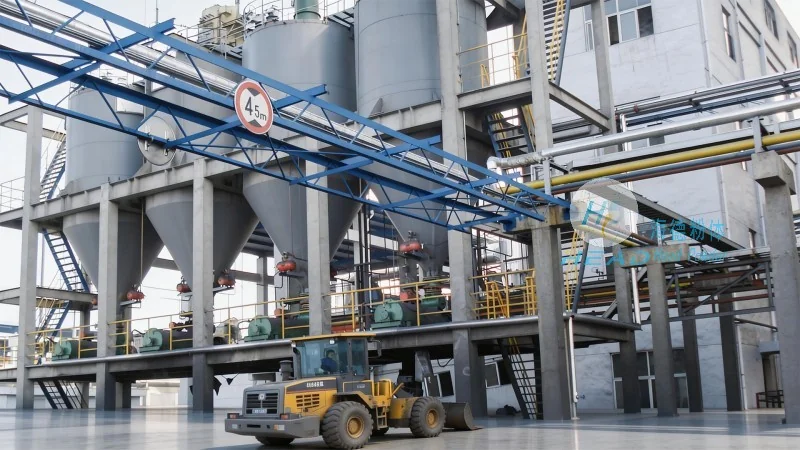
The working scene characteristics of automatic material feeding conveying lines are tailored to the specific requirements of diverse industrial applications, making them versatile solutions for various sectors. These systems are widely used in industries like pharmaceuticals, food processing, electronics manufacturing, and automotive assembly, where precision and consistency are critical. In pharmaceutical production, for instance, these lines are employed to feed raw powders or tablets into packaging machines with minimal contamination and precise dosing, adhering to stringent regulatory standards. The hygiene and safety features of these systems, such as sealed hoppers and stainless steel components, ensure compliance with industry guidelines. In food processing, they handle ingredients like grains, spices, or dried fruits, maintaining product quality and preventing cross-contamination. The flexibility of the feeding mechanisms allows adaptation to different material types—ranging from granules and powders to small mechanical parts—by adjusting parameters like feed rate and conveyor speed. Additionally, the ability to operate continuously for extended periods without significant maintenance makes these lines ideal for high-throughput production lines, where efficiency directly impacts operational costs and profitability.
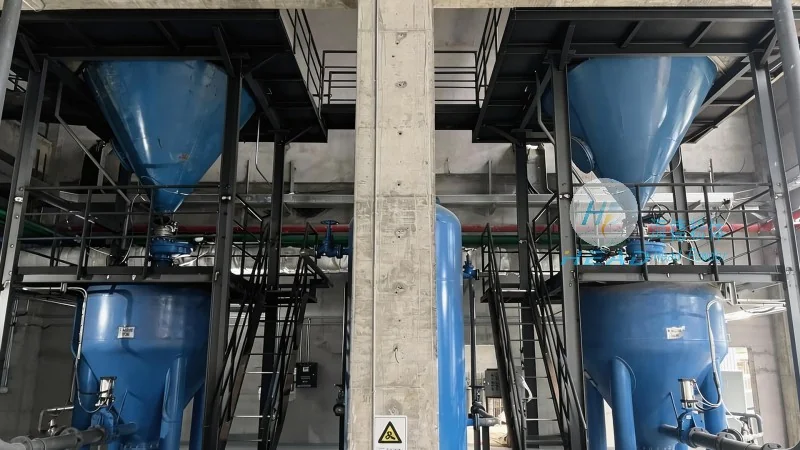
Implementing automatic material feeding conveying lines yields substantial benefits that enhance operational performance and reduce costs. One of the most significant advantages is the improvement in production efficiency, as these systems can operate 24/7 with minimal supervision, reducing labor costs and increasing output. The precision of material feeding minimizes waste, as the system dispenses only the required amount, preventing overfeeding or underfeeding that can lead to product defects or material loss. Furthermore, automation reduces human error, ensuring consistent product quality and compliance with industry regulations. In terms of applications, these lines are indispensable in industries where material handling is a critical bottleneck, such as in the assembly of electronic components, where small parts need to be fed into automated soldering or inspection machines. They also play a vital role in the packaging industry, where consistent feeding of products into packaging machines is essential for maintaining production line speed and product integrity. The adaptability of these systems to different production scales and material types makes them a valuable investment for manufacturers seeking to enhance their operational capabilities.

 Shandong Headpowder Engineering Co., Ltd.
 156-6277-7102(Manager Zhang)
  0531-83386006
  Zhangqiu District, Jinan City, Shandong Province, China
telephone
WeChatconsult
top