

Principles and Working Scene Characteristics of Grain Storage Material Handling Equipment
For agricultural and food processing enterprises, the efficient and reliable handling of bulk materials is a key factor in ensuring production continuity and operational efficiency. Grain storage facilities, as the core of grain circulation and processing, require specialized material handling equipment to transport grains, seeds, and other bulk materials from storage silos to processing lines or storage areas. This article will explore the principles of grain storage material handling equipment and the characteristics of its working scenes, providing a comprehensive understanding of the technology and application scenarios.
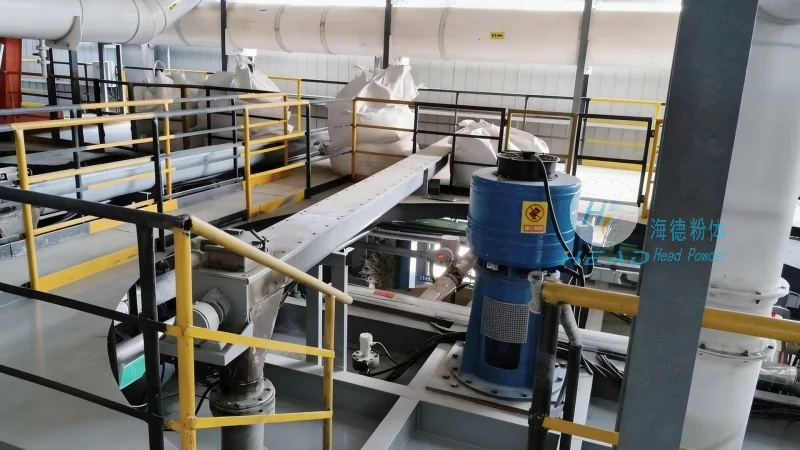
Overview of Grain Storage Material Handling Equipment
Grain storage material handling equipment is a specialized system designed to transport bulk materials such as grains, seeds, and feed within grain storage facilities. These systems are typically integrated with storage silos, conveying lines, and processing equipment, forming a complete material flow process. The main functions of this equipment include material intake from storage silos, conveying to processing areas, and returning empty containers or conveying lines. The equipment is designed to meet the high-volume, continuous operation requirements of grain storage and processing, ensuring smooth material flow and reducing manual handling costs.
Principles of Material Handling Equipment Operation
The operation principles of grain storage material handling equipment vary depending on the type of equipment used, but generally follow the principles of mechanical energy conversion and material movement. For example, bucket elevators use buckets to lift materials vertically and then discharge them at the top, while belt conveyors use friction to move materials horizontally or at an incline. Screw conveyors utilize the rotation of a screw to push materials forward, and pneumatic conveyors use air pressure to transport materials through pipelines. Each type of equipment has its own unique working principle, tailored to the specific characteristics of the material being handled, such as particle size, moisture content, and bulk density.
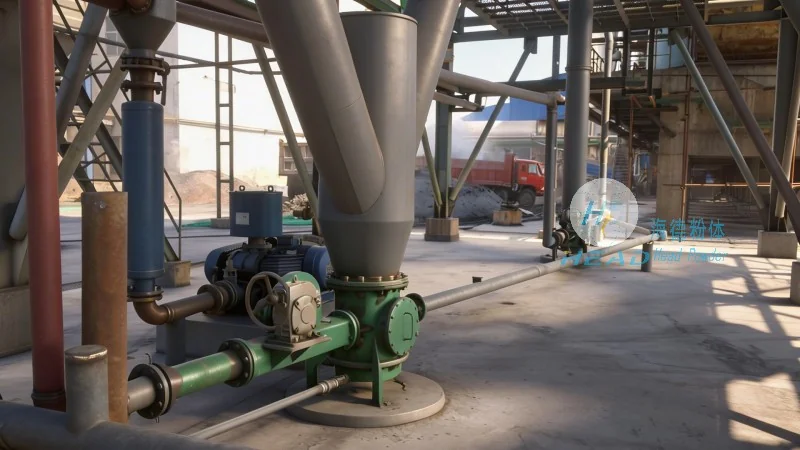
Key Components and Working Mechanisms
The core components of grain storage material handling equipment include the feeding system, conveying mechanism, driving system, and control system. The feeding system is responsible for uniformly feeding materials into the conveying equipment, while the conveying mechanism (such as buckets, belts, or screws) moves the materials along the designated path. The driving system provides the necessary power to drive the conveying mechanism, and the control system ensures the equipment operates safely and efficiently. For instance, in a bucket elevator, the motor drives the drive pulley, which rotates the buckets attached to the elevator chain, lifting the materials upward. The discharge mechanism at the top then releases the materials into the next processing stage. In a belt conveyor, the motor drives the drive pulley, which pulls the belt, moving the loaded belt and the attached materials forward. The tensioning system maintains the proper tension of the belt to prevent slippage and ensure stable material transport.
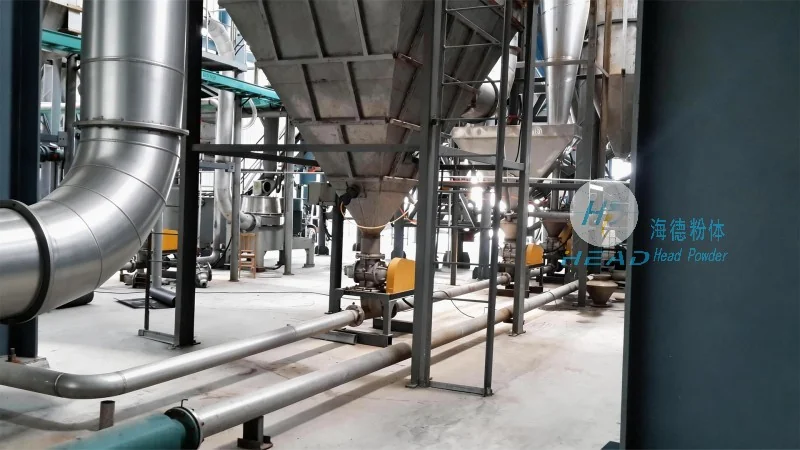
Working Scene Characteristics of Grain Storage Material Handling Equipment
The working scenes of grain storage material handling equipment are typically characterized by large-scale, continuous operation and the handling of bulk materials with specific physical properties. These scenes include grain storage silos, processing plants, and distribution centers, where the equipment operates under various environmental conditions, such as temperature fluctuations, dust, and moisture. The equipment must be designed to withstand the harsh conditions of the working environment and maintain high efficiency and reliability. For example, in a grain storage facility, the equipment may need to handle different types of grains, such as wheat, corn, and rice, each with different particle sizes and moisture contents. The equipment must be able to adjust its operation parameters (such as speed and tension) to accommodate these variations and ensure smooth material flow. Additionally, the equipment must be equipped with safety features, such as overload protection and emergency stop buttons, to prevent accidents and ensure the safety of operators.
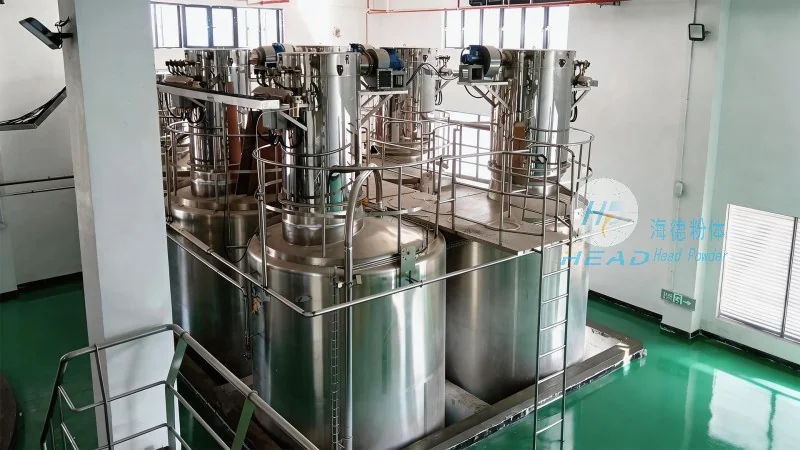
Application Scenarios and Industry Requirements
Grain storage material handling equipment is widely used in various industries, including agriculture, food processing, and feed manufacturing. The application scenarios vary depending on the specific needs of the industry. For example, in agricultural grain storage, the equipment is used to transport harvested grains from the field to storage silos and then to processing plants. In food processing, the equipment is used to transport raw materials to production lines and finished products to storage areas. In feed manufacturing, the equipment is used to transport various raw materials (such as grains, proteins, and vitamins) to the mixing and processing stages. The industry requirements for this equipment include high efficiency, low maintenance costs, and durability, as the equipment operates continuously for long periods. Additionally, the equipment must meet safety standards and be easy to operate and maintain.
Conclusion
Grain storage material handling equipment plays a crucial role in the efficient operation of grain storage and processing facilities. By understanding the principles of operation and the characteristics of working scenes, enterprises can select and use the appropriate equipment to meet their specific needs. The continuous development of technology has led to the improvement of equipment performance and efficiency, making it an essential component of modern grain storage and processing systems. As the demand for grain storage and processing continues to grow, the importance of reliable and efficient material handling equipment will only increase.