With more than 10‑year industry experience, Shandong Headpowder delivers full‑service pneumatic‑conveying systems and blowers, undertaking nationwide turn‑key powder‑handling projects.
Gravity dust removal powder conveying lines are essential equipment in industrial processes, particularly in sectors dealing with fine powders and dust. These systems are designed to efficiently transport and handle powders while simultaneously removing dust and particulate matter from the air. The core principle behind these lines is the utilization of gravity and air flow to separate dust from the powder stream, ensuring a cleaner and more controlled material handling process.

The fundamental principle of gravity dust removal powder conveying lines is based on the differential density and particle size of dust and the target powder. In these systems, a conveyor line is typically inclined at an angle, allowing the heavier powder particles to move under the influence of gravity while lighter dust particles are carried away by the air flow. This separation occurs as the material travels through the conveying line, with the powder collecting at the end or in a designated collection point, and the dust being filtered or directed to a separate collection system.
Key components of a gravity dust removal powder conveying line include the inlet hopper, the inclined conveying tube, and the dust collection mechanism. The inlet hopper feeds the powder into the system, where it enters the inclined tube. As the material moves down the tube due to gravity, the air flow within the system helps to lift and carry away fine dust particles. The design of the tube's angle and the air velocity is critical to achieving optimal separation efficiency. By carefully controlling these parameters, the system can effectively separate the powder from the dust, ensuring that the delivered material is clean and free from contaminants.
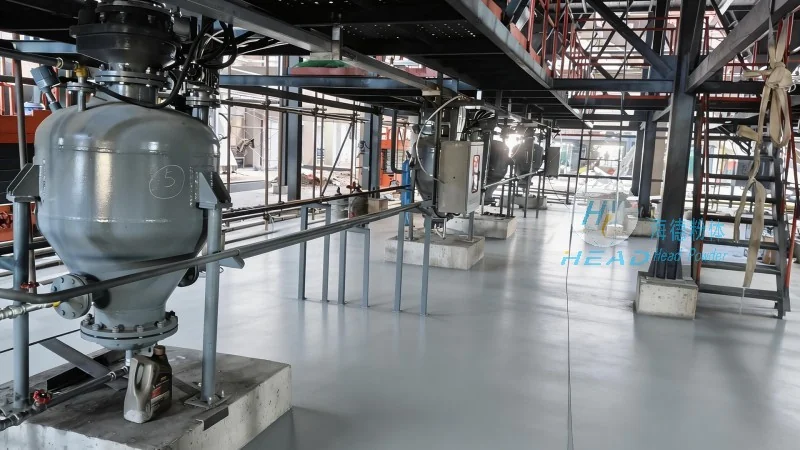
Gravity dust removal powder conveying lines are widely used in various industrial applications where the handling of fine powders is necessary. Common working scenes include power plants, cement production facilities, chemical processing plants, and mining operations. In these environments, the need to transport powders while maintaining air quality and preventing dust dispersion is paramount. The systems are particularly suitable for applications where the powder is abrasive or where dust control is a regulatory requirement.
In power plants, for example, these conveying lines are used to transport coal or ash powders from storage silos to boilers or other processing units. The gravity-based design helps to minimize the need for high-pressure air, reducing energy consumption and operational costs. In cement plants, the system is used to convey raw materials and finished cement products, with the dust removal feature helping to meet environmental regulations and maintain a safe working environment.
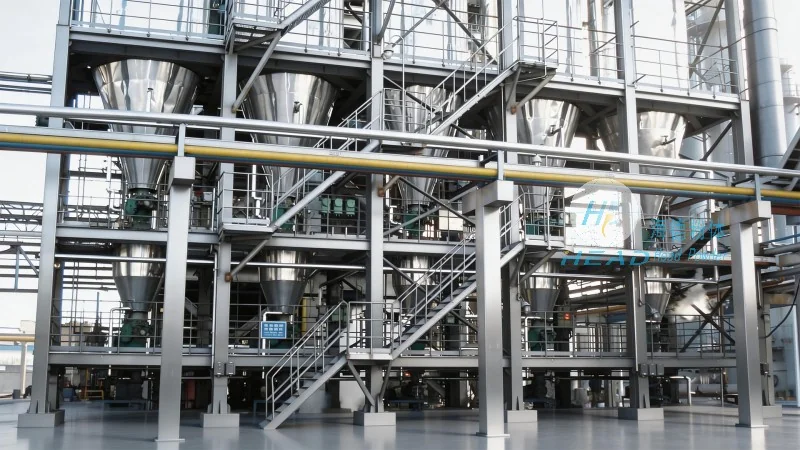
Chemical processing plants also benefit from gravity dust removal powder conveying lines when handling various chemical powders, such as fertilizers or pharmaceutical raw materials. The ability to separate dust from the powder stream ensures that the final product remains pure and meets quality standards. Additionally, in mining operations, these systems are used to transport ore powders from crushers to storage or processing areas, with the dust removal feature helping to control airborne particulates and protect worker health.
Implementing gravity dust removal powder conveying lines offers several advantages over traditional conveying methods. One of the primary benefits is the energy efficiency achieved through the use of gravity. Unlike pneumatic conveying systems that rely on high-pressure air to move materials, gravity-based systems use the natural force of gravity to transport the powder, significantly reducing energy consumption and operational costs. This makes them an attractive option for industries looking to lower their environmental impact and operational expenses.
Another advantage is the reduced maintenance requirements. Since gravity systems do not involve complex air compressors or high-pressure components, there are fewer parts that can wear out or require frequent replacement. This leads to lower maintenance costs and less downtime for the system. Additionally, the design of these systems is relatively simple, making them easier to install and integrate into existing industrial facilities.
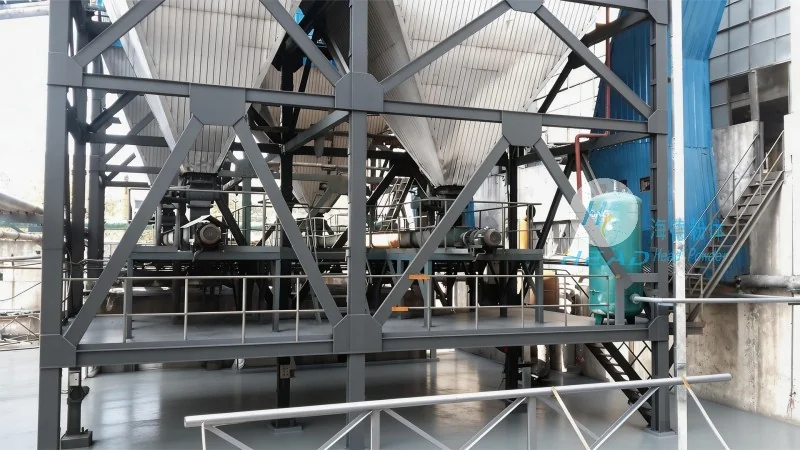
The dust removal feature is also a significant operational benefit. By effectively separating dust from the powder stream, these systems help to maintain a cleaner working environment, reducing the risk of respiratory issues for workers and minimizing the risk of dust explosions. This is particularly important in industries where dust is a known hazard, such as in the chemical and mining sectors. The ability to control dust dispersion also helps to meet environmental regulations and avoid fines or penalties.
Shandong HeadPowder Engineering Co., Ltd., a leading manufacturer of industrial powder handling equipment, specializes in the design and production of gravity dust removal powder conveying lines. The company is located in Shandong, China, and has a strong reputation for providing high-quality, reliable equipment to its clients. With years of experience in the industry, HeadPowder has developed advanced systems that meet the diverse needs of various industrial applications. The company's commitment to quality and innovation has made it a trusted partner for businesses looking to improve their powder handling processes.

 Shandong Headpowder Engineering Co., Ltd.
 156-6277-7102(Manager Zhang)
  0531-83386006
  Zhangqiu District, Jinan City, Shandong Province, China
telephone
WeChatconsult
top