With more than 10‑year industry experience, Shandong Headpowder delivers full‑service pneumatic‑conveying systems and blowers, undertaking nationwide turn‑key powder‑handling projects.
Alumina hydroxide, a critical raw material in industries such as chemical manufacturing, pharmaceuticals, and aluminum production, demands sophisticated powder handling solutions to maintain production efficiency and product quality. The alumina hydroxide powder conveying line is a specialized system engineered to transport this fine powder from storage silos to processing units with precision and minimal material loss. This article delves into the core principles governing such systems and examines the distinct operational characteristics of their application environments, with a focus on the expertise of Shandong HeadPowder Engineering Co., Ltd., a company based in Shandong, China.
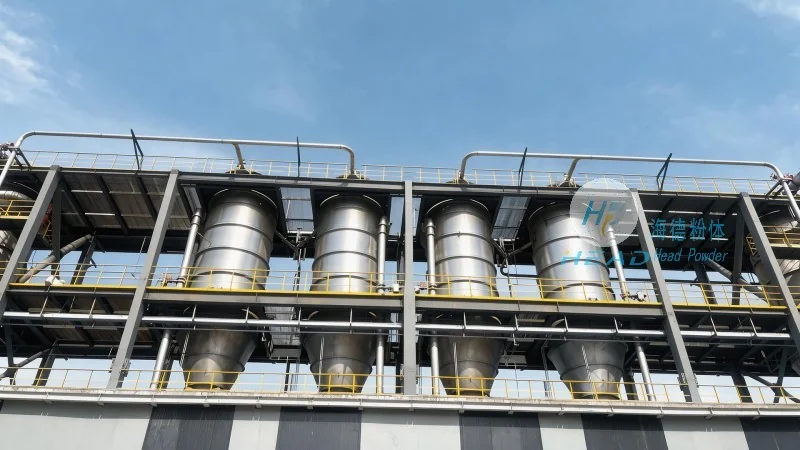
The operation of an alumina hydroxide powder conveying line is built upon several fundamental principles that ensure optimal performance. First, the system integrates mechanical and pneumatic components to move the fine powder efficiently. Common mechanisms include screw conveyors, pneumatic duct systems, and bucket elevators, each selected to accommodate the unique properties of alumina hydroxide, such as its fine particle size and tendency to generate static charge. The design emphasizes minimizing particle degradation and preserving product integrity throughout transport. Additionally, the system incorporates real-time controls for flow rate, pressure, and material level, allowing for dynamic adjustments to meet varying production demands. This integration of technology ensures both efficiency and safety, reducing risks of spillage or equipment damage.
At the heart of an alumina hydroxide powder conveying line are several critical components that work in concert to achieve seamless material transport. The process typically begins with a hopper or silo, which stores the powder and provides a controlled feed. A feeder device, like a rotary valve or vibratory feeder, regulates the flow into the conveying mechanism. The conveying itself may use a screw conveyor (rotating screws to push powder forward) or a pneumatic duct system (compressed air propelling powder through pipes), with some systems employing a combination for enhanced efficiency. The system also includes check valves and filters to prevent backflow and maintain air quality. Finally, the material is discharged into a processing unit or storage bin, completing the cycle. Each component is carefully selected to handle alumina hydroxide's potential for agglomeration and sensitivity to moisture, ensuring reliable operation.
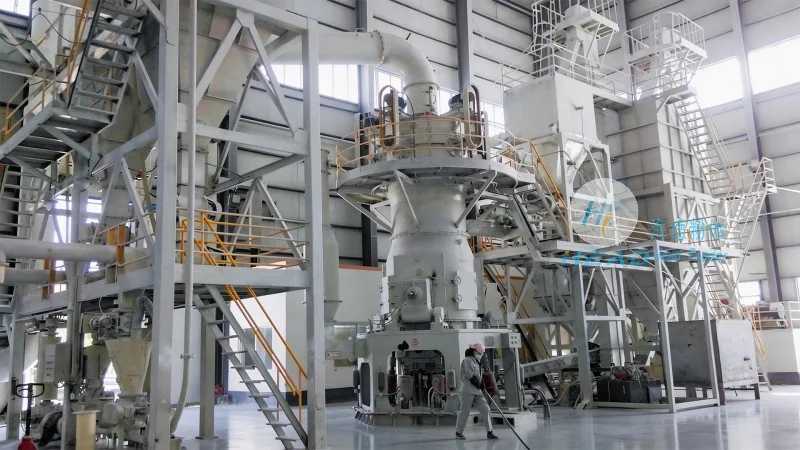
The operational environments of alumina hydroxide powder conveying lines vary significantly by industry and scale. In cleanroom facilities for pharmaceuticals or electronics, these systems are designed with sealed components and HEPA filters to prevent contamination, maintaining strict quality standards. In contrast, aluminum production plants may operate in more rugged settings, handling larger volumes and withstanding higher temperatures. The equipment in these scenarios emphasizes durability and corrosion resistance, as alumina hydroxide can be abrasive and reactive. Another key characteristic is adaptability to different production scales, from small laboratory operations to large industrial plants. This flexibility allows companies to scale production without major infrastructure changes. Additionally, automation controls enable remote monitoring and operation, boosting efficiency and reducing labor costs.
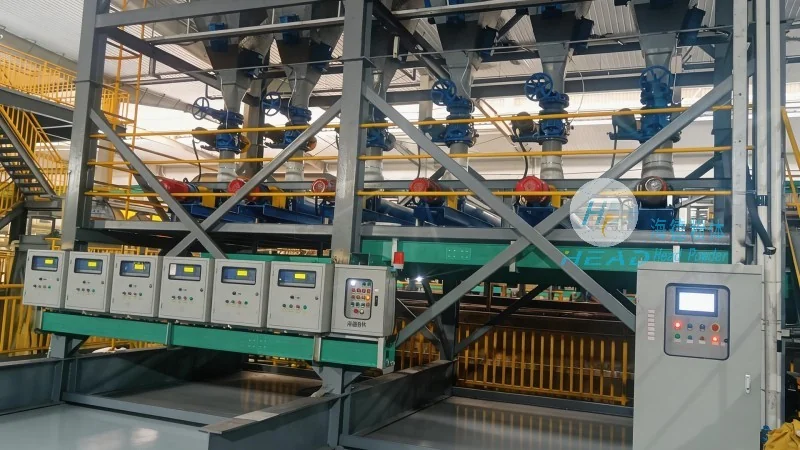
Implementing an alumina hydroxide powder conveying line offers several advantages, including reduced manual handling risks, consistent flow rates, and enclosed designs that prevent dust emissions and improve workplace safety. However, practical considerations include significant initial investment and maintenance costs, especially for large-scale operations. Regular maintenance is essential to avoid downtime and ensure long-term reliability. The system must also address alumina hydroxide's static charge tendency, requiring grounding and anti-static measures. Proper operator training is critical for safe and effective operation. Despite these considerations, the benefits of automated, efficient powder handling make these systems a vital asset for industries relying on alumina hydroxide.
In summary, the alumina hydroxide powder conveying line is a sophisticated system that combines advanced engineering with tailored solutions to meet the demanding needs of modern industrial applications. By understanding its core principles and operational characteristics, manufacturers can optimize production processes, enhance product quality, and ensure workplace safety. The integration of reliable components and adaptive controls makes this system indispensable for industries where alumina hydroxide is a key raw material. As technology advances, these systems will likely become even more efficient and versatile, further supporting the growth of sectors dependent on alumina hydroxide. Shandong HeadPowder Engineering Co., Ltd. exemplifies the expertise required to design and implement such systems, serving clients with solutions that balance performance, safety, and cost-effectiveness.

 Shandong Headpowder Engineering Co., Ltd.
 156-6277-7102(Manager Zhang)
  0531-83386006
  Zhangqiu District, Jinan City, Shandong Province, China
telephone
WeChatconsult
top