With more than 10‑year industry experience, Shandong Headpowder delivers full‑service pneumatic‑conveying systems and blowers, undertaking nationwide turn‑key powder‑handling projects.
Shandong HeadPowder Engineering Co., Ltd., a leading enterprise in the field of powder handling technology, specializes in the design, manufacturing, and application of advanced pneumatic conveying systems. The company, often referred to as HeadPowder, is headquartered in Shandong, China, and has established a strong reputation for delivering reliable and efficient solutions for handling PTA powder, a critical raw material in the production of polyester fibers. This article explores the fundamental principles behind PTA powder pneumatic conveying systems and highlights the key characteristics of their operational scenarios.
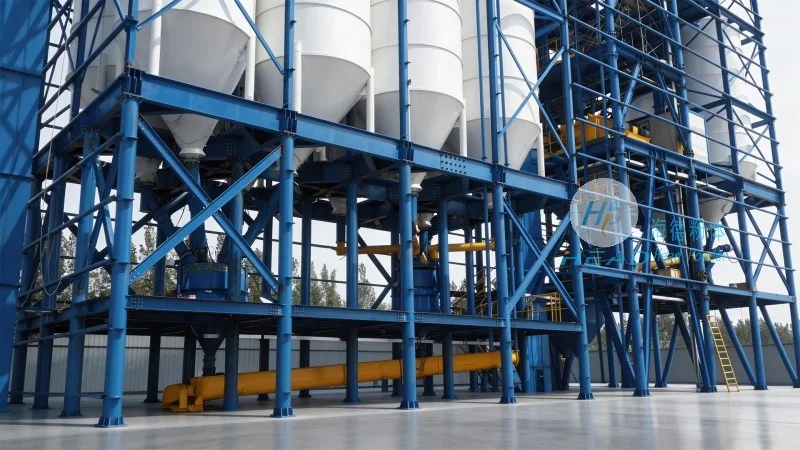
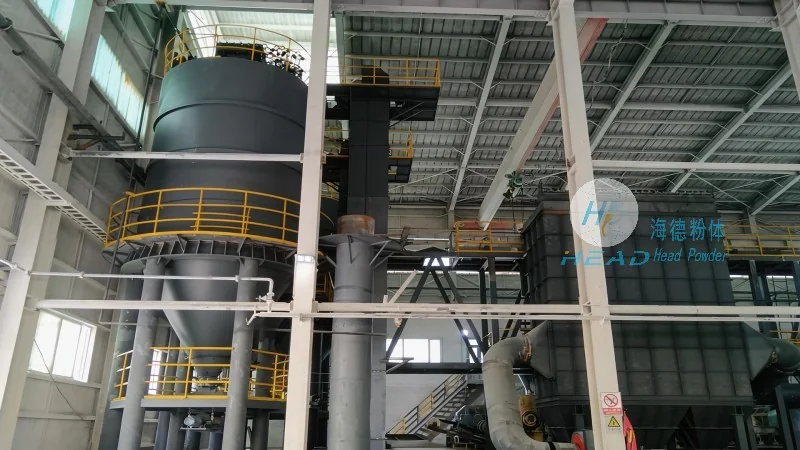
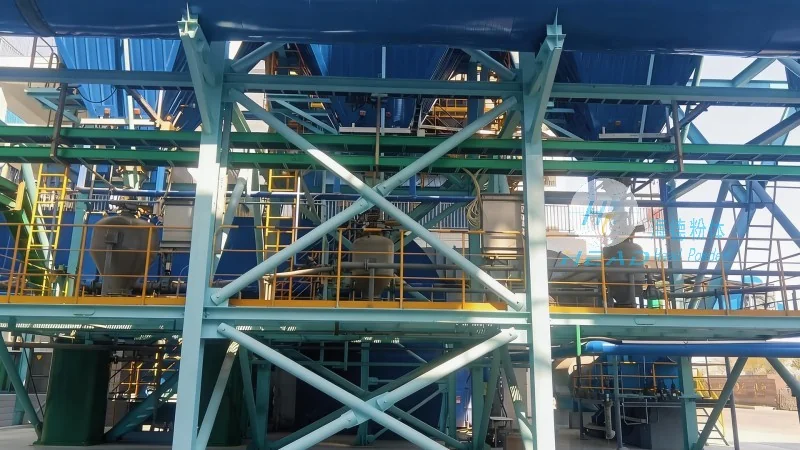
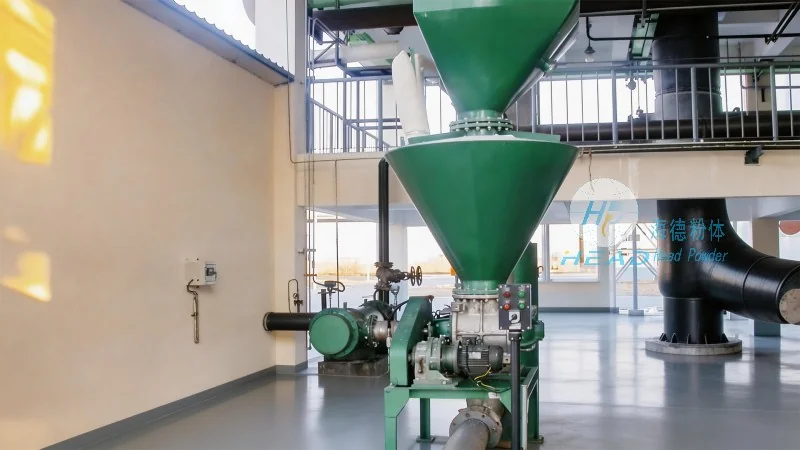
At the core of PTA powder pneumatic conveying systems is the use of compressed air or other gases to transport dry powder materials through a pipeline. The system operates by creating a pressure differential between the source and destination points, which propels the powder particles along the conveying line. There are primarily two types of pneumatic conveying systems: dilute-phase and dense-phase. Dilute-phase systems, often used for longer distances or lower material loads, rely on high-velocity air to suspend the powder particles, while dense-phase systems use lower air velocities and higher material concentrations to ensure more controlled and gentle material transport. For PTA powder, which is typically fine and abrasive, the choice of system type depends on factors such as the required conveying distance, material flow rate, and the need to minimize product degradation. The system components include a hopper for material storage, a feeder to control the flow rate, a compressor to generate the necessary air pressure, a pipeline network, and a receiver to collect the material at the destination. The feeder is particularly critical as it must handle the fine PTA powder without causing blockages or excessive pressure build-up, often employing rotary valves or screw feeders with specialized designs to ensure smooth operation. The compressor, usually an industrial-grade unit, provides the energy to move the powder, with the air pressure and flow rate carefully regulated to match the system's requirements. The pipeline network is constructed from materials resistant to PTA powder's corrosive properties, such as stainless steel or special coatings, to prevent material buildup and ensure long-term durability. The receiver, equipped with a dust collection system, collects the conveyed PTA powder and may include features like a filter or cyclone to separate any entrained air, maintaining the purity of the material. The overall principle is to convert the potential energy of the compressed air into kinetic energy to move the powder, with the system designed to balance efficiency, reliability, and material integrity.
The operational scenarios for PTA powder pneumatic conveying systems vary based on the specific application requirements, such as the distance between the source and destination, the volume of material to be transported, and the environmental conditions. For short-distance conveying, such as within a manufacturing plant, dilute-phase systems are commonly used due to their simplicity and lower energy consumption. These systems are ideal for transporting PTA powder from storage silos to processing equipment, ensuring a continuous and uninterrupted supply. The working environment in such scenarios is typically controlled, with temperature and humidity levels maintained to prevent PTA powder from caking or agglomerating, which could affect the conveying efficiency. The system design in short-distance applications focuses on minimizing pressure losses and ensuring consistent material flow, often incorporating features like in-line mixers or agitators to keep the powder in a fluidized state. For medium to long-distance conveying, dense-phase systems are preferred, as they can handle higher material loads and maintain better control over the material's velocity and pressure. These systems are suitable for transporting PTA powder from a central storage facility to multiple production sites, or for moving material between different stages of the manufacturing process. The working scenario in these cases may involve more complex pipeline configurations, including vertical lifts and horizontal runs, which require careful design to prevent material settling or blockages. The system must also account for the potential for pressure surges or vacuum conditions, which can impact the material's flow characteristics. In industrial settings, the operational scenario often involves continuous operation, with the system running 24/7 to meet production demands. This requires robust maintenance protocols and reliable components to ensure minimal downtime. The working environment may also include other industrial equipment, such as mixers, reactors, or extruders, which the pneumatic conveying system must integrate with seamlessly. The key characteristics of these working scenarios include the need for high material transfer rates, consistent flow control, and the ability to handle varying material conditions, such as changes in moisture content or particle size. The system's performance is evaluated based on factors like conveying efficiency, material degradation, and energy consumption, with adjustments made to the system parameters to optimize these metrics. Additionally, the working scenario may involve compliance with safety regulations, such as dust explosion prevention measures, which are critical in handling PTA powder due to its combustible nature. The system design incorporates features like explosion-proof components and dust collection systems to mitigate these risks, ensuring safe and reliable operation. Overall, the working scenarios for PTA powder pneumatic conveying systems are tailored to meet the specific needs of the application, balancing efficiency, reliability, and safety to deliver optimal performance.

 Shandong Headpowder Engineering Co., Ltd.
 156-6277-7102(Manager Zhang)
  0531-83386006
  Zhangqiu District, Jinan City, Shandong Province, China
telephone
WeChatconsult
top