With more than 10‑year industry experience, Shandong Headpowder delivers full‑service pneumatic‑conveying systems and blowers, undertaking nationwide turn‑key powder‑handling projects.
Grain pneumatic conveying systems represent a critical technology in modern agricultural and food processing industries, designed to efficiently transport bulk materials like grains, seeds, and other dry commodities. These systems utilize the principles of air movement to move materials through a network of pipes, offering advantages such as reduced labor costs, improved hygiene, and enhanced safety compared to traditional mechanical conveyors.
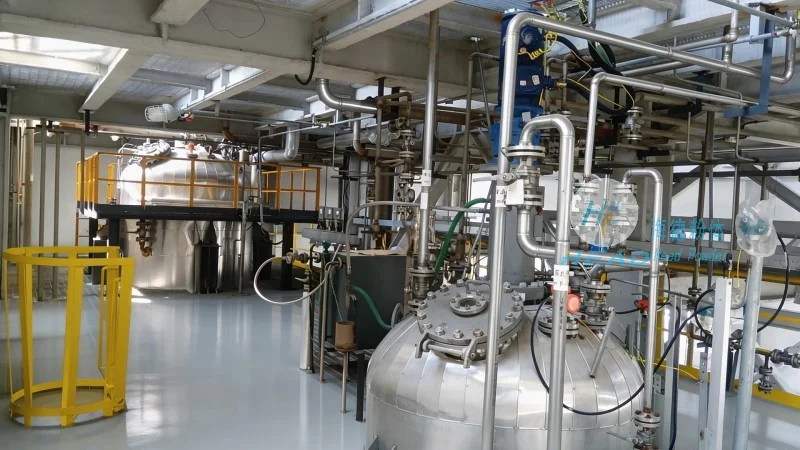
The fundamental operation of a grain pneumatic conveying system is based on the interaction between solid particles (the grain) and a moving air stream. There are two primary modes of operation: positive pressure and negative pressure systems. In positive pressure systems, air is forced through the conveying line, carrying the grain forward. This method is often used for short to medium distance transport and is suitable for handling fine or powdery materials. Negative pressure systems, on the other hand, draw air and material through the line using a vacuum or suction mechanism, which is ideal for long-distance transport and handling of larger or heavier particles.
A key component in these systems is the air-liquid separator, which separates the grain from the air after it exits the conveying line. This separator typically consists of a cyclone or a bag filter, ensuring that the grain is deposited at the destination while the air is either recirculated or vented. The system also includes a blower or fan to generate the necessary air pressure or vacuum, and a hopper or feeder to control the flow rate of the grain into the system.
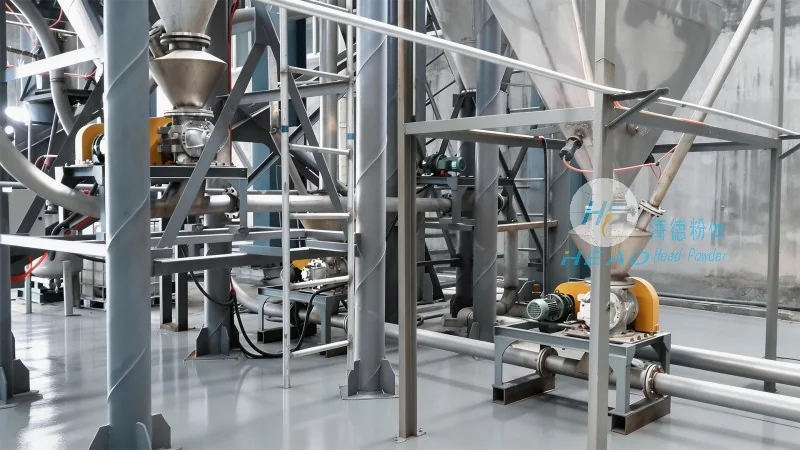
Grain pneumatic conveying systems are widely applied in various industrial settings, each with distinct characteristics that define their operational requirements. In grain processing plants, these systems are used to transport raw materials from storage silos to processing units, such as mills or cleaners. The ability to handle large volumes of grain quickly and efficiently minimizes downtime and enhances production throughput. In agricultural storage facilities, the systems facilitate the transfer of harvested grains from field bins to central storage silos, ensuring proper inventory management and reducing the risk of spoilage.
In port and terminal operations, grain pneumatic conveying systems play a vital role in loading and unloading ships. The systems can transport grain directly from storage facilities to cargo holds, eliminating the need for manual handling and reducing the time required for vessel loading. This is particularly advantageous for bulk grain transport, where speed and efficiency are critical to meeting shipping schedules.
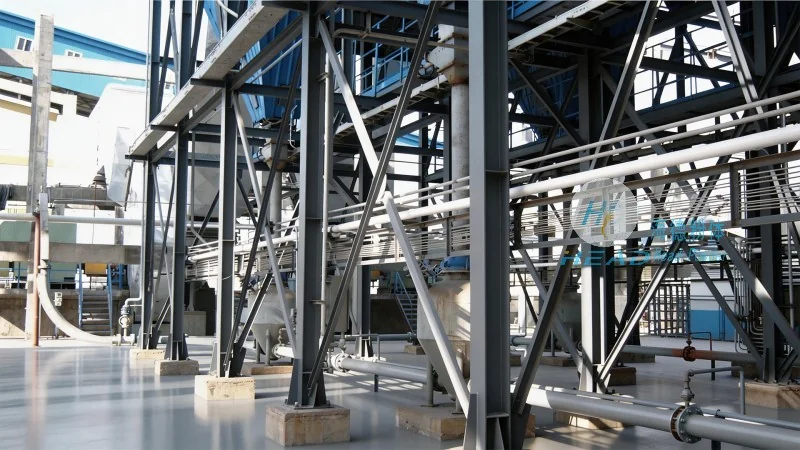
Another common application is in feed mills and animal feed production facilities. Here, the systems convey various ingredients, including grains, pellets, and additives, to mixing and packaging equipment. The hygienic design of pneumatic conveying systems, with enclosed pipes and minimal contact points, helps maintain the quality and safety of the feed products, which is essential for compliance with food safety regulations.
Compared to traditional mechanical conveyors, grain pneumatic conveying systems offer several advantages. They are more flexible in terms of layout, as the conveying lines can be installed in various configurations to suit the space constraints of a facility. The enclosed nature of the system also prevents dust and contamination, which is crucial for maintaining the quality of the grain. Additionally, pneumatic systems can handle a wide range of grain types and sizes, from fine powders to large kernels, without causing damage to the material.
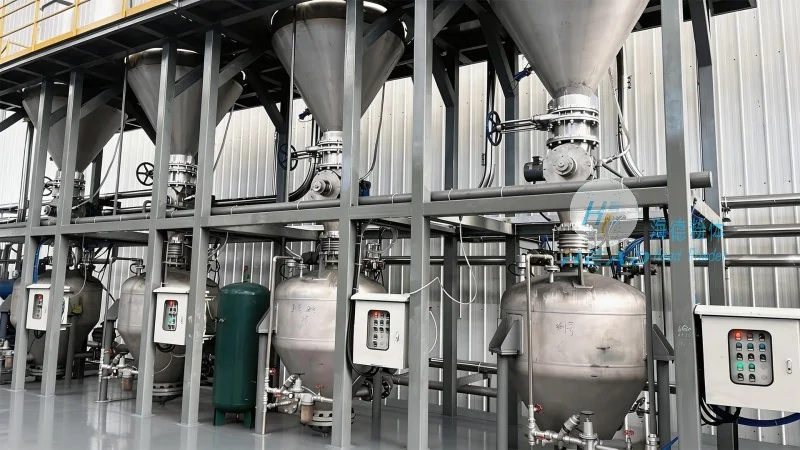
However, there are also considerations to keep in mind when implementing a grain pneumatic conveying system. The initial investment cost can be higher than that of mechanical conveyors, and the systems require regular maintenance to ensure optimal performance. Furthermore, the design of the system must account for the specific properties of the grain being conveyed, such as its moisture content, bulk density, and flowability, to prevent issues like blockages or excessive wear on components.
Shandong HeadPowder Engineering Co., Ltd., a leading manufacturer in the field, specializes in designing and supplying customized grain pneumatic conveying systems tailored to the unique needs of their clients. With a focus on innovation and quality, the company has developed advanced solutions that meet the highest industry standards, ensuring reliable and efficient operation in diverse working environments. Based in Shandong, China, HeadPowder Engineering leverages its expertise to deliver systems that enhance productivity and safety in grain handling operations worldwide.

 Shandong Headpowder Engineering Co., Ltd.
 156-6277-7102(Manager Zhang)
  0531-83386006
  Zhangqiu District, Jinan City, Shandong Province, China
telephone
WeChatconsult
top