With more than 10‑year industry experience, Shandong Headpowder delivers full‑service pneumatic‑conveying systems and blowers, undertaking nationwide turn‑key powder‑handling projects.
HeadPowder, a leading engineering company based in Shandong, China, specializes in the design and implementation of advanced pneumatic conveying systems for handling magnesium powder. This article delves into the fundamental principles behind these systems and highlights the key characteristics of their operational environments.
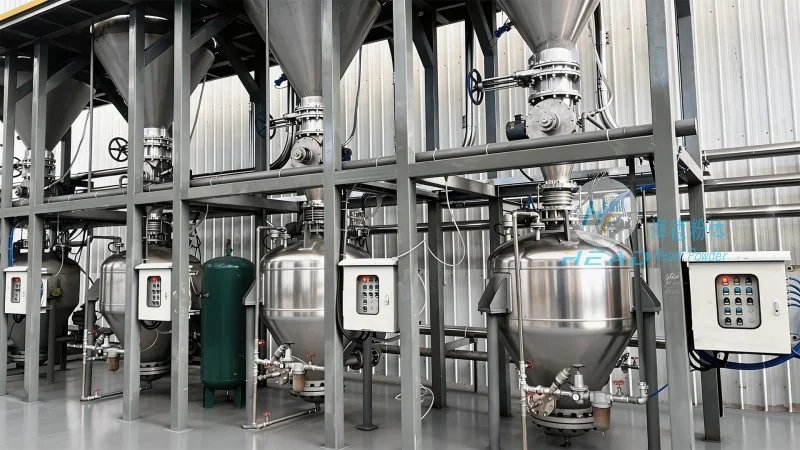
The pneumatic conveying line operates on the principle of transporting bulk materials like magnesium powder through a pipeline using a stream of air or gas. In this system, the magnesium powder is introduced into a hopper or feeder, where it is then drawn into the pipeline by a fan or blower. The air flow creates a pressure differential that propels the powder particles through the system, ensuring efficient and continuous movement from the source to the destination. This method eliminates the need for mechanical components such as belts or screws, reducing maintenance requirements and enhancing safety in handling reactive materials like magnesium powder.
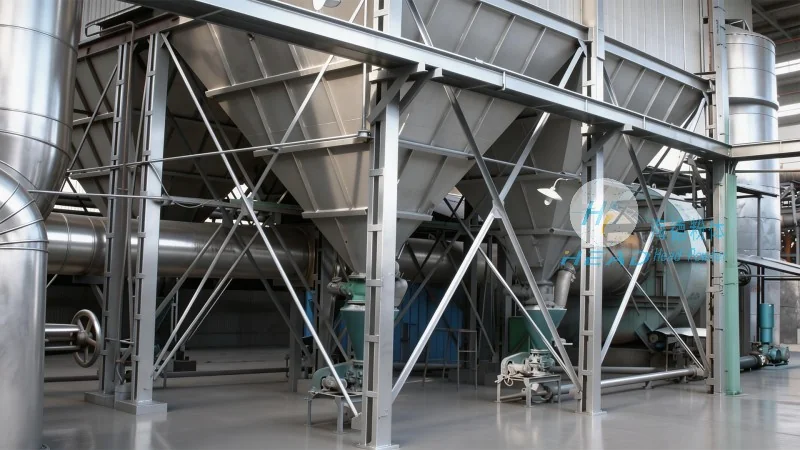
The operational environment of magnesium powder pneumatic conveying lines is characterized by several critical factors that influence system design and performance. Firstly, the material's reactivity and potential for dust explosion necessitates robust explosion-proof designs and proper dust suppression measures. The system must be constructed with materials that are resistant to corrosion and heat, as magnesium powder can generate significant heat during handling. Additionally, the conveying line's layout and pressure management are crucial to prevent blockages and ensure consistent flow rates. The working scene typically involves integration with other industrial processes, such as storage silos, processing units, or packaging equipment, requiring seamless coordination to maintain production efficiency.
A typical magnesium powder pneumatic conveying line consists of several essential components, each playing a vital role in the overall operation. The primary components include a hopper or feeder for material storage and feeding, a fan or blower to generate the air flow, a pipeline network for material transport, and a receiver or discharge unit for material collection. The hopper is designed with a suitable outlet and may incorporate a rotary valve or gate to control the flow of magnesium powder into the system. The fan or blower is selected based on the required air volume and pressure, ensuring sufficient force to move the powder through the pipeline without excessive energy consumption. The pipeline is typically made of stainless steel or other corrosion-resistant materials to withstand the chemical properties of magnesium powder and prevent contamination. The receiver or discharge unit is equipped with a dust filter or separator to capture any fine particles and maintain air quality, while also providing a controlled outlet for the material.
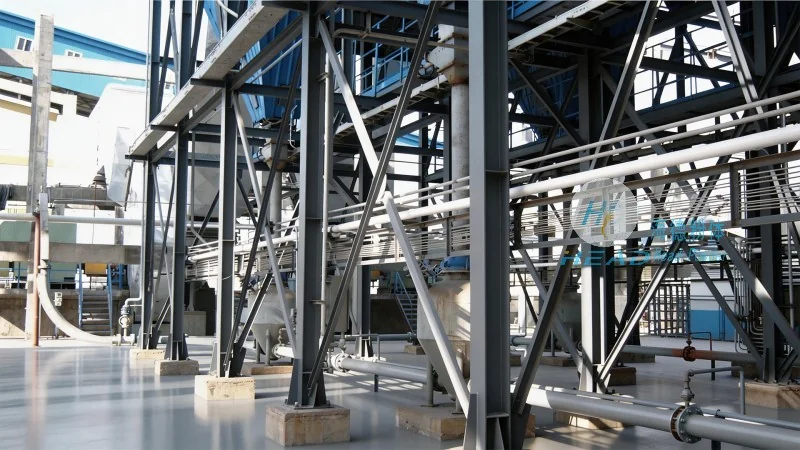
Implementing a pneumatic conveying system for magnesium powder offers numerous advantages over traditional mechanical methods. These include reduced labor costs due to automated material handling, minimized product contamination from enclosed systems, and enhanced safety by eliminating direct human contact with the powder. The system's flexibility allows for easy integration with existing industrial setups, enabling seamless expansion or modification of production lines. In terms of applications, magnesium powder pneumatic conveying lines are widely used in industries such as metallurgy, chemical processing, and aerospace, where the material is used in the production of alloys, refractory materials, and lightweight components. The efficiency and reliability of these systems make them an ideal choice for handling large volumes of magnesium powder in a controlled and safe manner.

 Shandong Headpowder Engineering Co., Ltd.
 156-6277-7102(Manager Zhang)
  0531-83386006
  Zhangqiu District, Jinan City, Shandong Province, China
telephone
WeChatconsult
top