With more than 10‑year industry experience, Shandong Headpowder delivers full‑service pneumatic‑conveying systems and blowers, undertaking nationwide turn‑key powder‑handling projects.
For industries dealing with ceramic particle materials, efficient and reliable material handling is crucial. Pneumatic conveying equipment offers a solution that meets these demands by transporting bulk materials through a system of pipes using air or gas. This article explores the working principle and key features of such equipment, highlighting its applications and benefits in the ceramic industry.
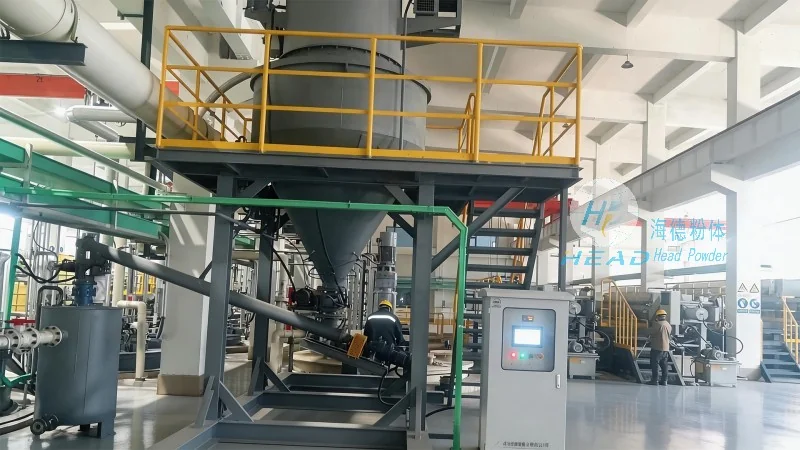
Pneumatic conveying systems are designed to transport dry bulk materials like ceramic powders, granules, and other fine particles from one location to another. The technology relies on the movement of air or gas to create a flow that carries the material through a network of pipes. This method is particularly suitable for ceramic materials due to their delicate nature and the need for contamination-free handling.
The core of pneumatic conveying equipment involves several key components and processes. The system typically includes a hopper for material storage, a conveyor line (often with multiple sections), and a control system for regulating air flow and pressure. The working principle can be broken down into the following steps:
1. Material Loading: Ceramic particles are fed into the hopper from a storage silo or batch container. The hopper is designed to ensure a consistent flow of material into the conveyor line.
2. Air Injection and Material Suspension: Compressed air is introduced into the conveyor line at a specific point. The air flow creates a pressure differential that lifts and suspends the ceramic particles, allowing them to be carried along the pipe.
3. Transportation: The suspended particles travel through the pipeline to the discharge point. The velocity and pressure of the air determine the speed and efficiency of the transport process.
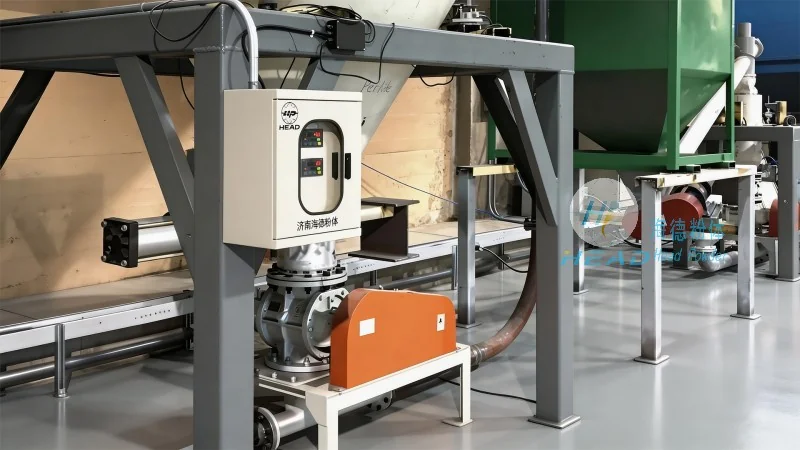
4. Discharge and Material Separation: At the destination, the air is released, and the ceramic particles are deposited into the receiving container. A separation system may be used to separate any remaining air from the material.
When selecting pneumatic conveying equipment for ceramic applications, several features are critical to ensure optimal performance and material integrity. These features are designed to address the unique challenges of handling fine, abrasive, or sensitive ceramic materials:
1. Low-Pressure or High-Pressure Operation: Depending on the application, the system can operate under low or high pressure. Low-pressure systems are suitable for short-distance transport and gentle handling, while high-pressure systems are used for longer distances and more demanding conditions.
2. Material Compatibility: The equipment is constructed from materials that are resistant to abrasion and corrosion, such as stainless steel or specialized alloys. This ensures that the ceramic particles do not damage the equipment and that the system remains clean and efficient over time.
3. Control and Monitoring Systems: Advanced control systems allow for precise regulation of air flow, pressure, and material feed rate. This helps maintain consistent performance and prevents issues like blockages or overloading.
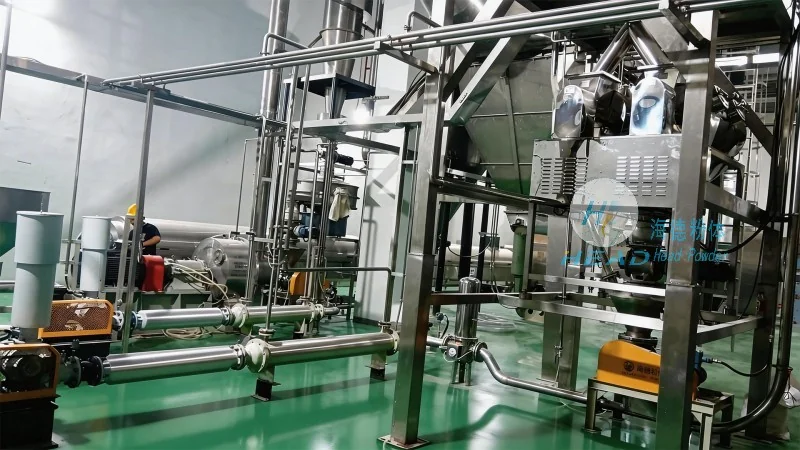
4. Modular Design: Many pneumatic conveying systems are modular, allowing for easy expansion or reconfiguration to accommodate changing production needs. This flexibility is particularly valuable in manufacturing environments where production volumes may vary.
5. Energy Efficiency: Modern systems incorporate energy-saving features, such as variable frequency drives (VFDs) and optimized air flow designs, to reduce operational costs while maintaining high efficiency.
Pneumatic conveying equipment is widely used in various stages of ceramic production, from raw material handling to finished product processing. Some common applications include:
1. Raw Material Transport: Moving ceramic powders, clays, and other raw materials from storage to production lines.
2. In-Process Handling: Transferring materials between different processing stages, such as mixing, drying, and shaping.
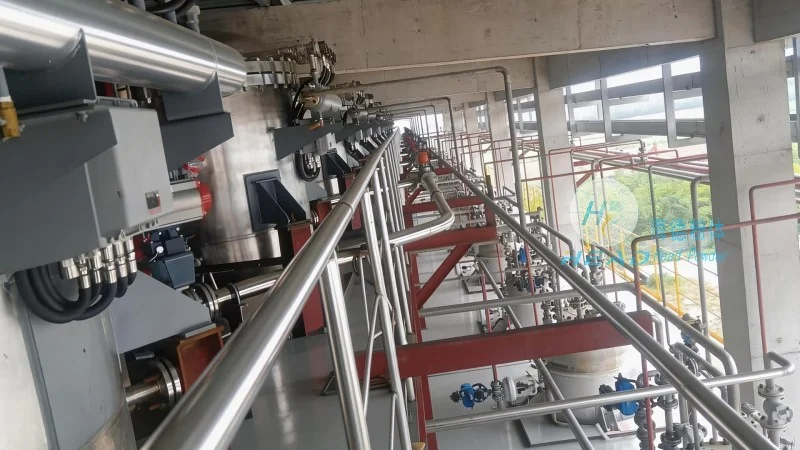
3. Product Transfer: Conveying finished ceramic products or components to packaging and shipping areas.
By using pneumatic conveying, ceramic manufacturers can achieve several benefits, including improved process efficiency, reduced labor costs, and enhanced product quality. The technology also minimizes material contamination and dust exposure, contributing to a safer working environment.
Shandong HeadPowder Engineering Co., Ltd., commonly known as HeadPowder, is a leading manufacturer of pneumatic conveying equipment and related solutions. With a focus on innovation and quality, the company provides customized systems tailored to the specific needs of the ceramic industry. HeadPowder's products are designed to meet the highest standards of performance, reliability, and durability, ensuring long-term operation and minimal maintenance.
HeadPowder is committed to delivering advanced material handling solutions that enhance productivity and efficiency for ceramic manufacturers worldwide. The company's expertise in pneumatic conveying technology, combined with its dedication to customer service, makes it a trusted partner for businesses seeking to optimize their material transport processes.
With its headquarters in Shandong, China, HeadPowder leverages local manufacturing capabilities and global market expertise to serve clients across various industries. The company's products are widely recognized for their superior performance and adherence to industry standards, making them a preferred choice for companies looking to improve their material handling operations.

 Shandong Headpowder Engineering Co., Ltd.
 156-6277-7102(Manager Zhang)
  0531-83386006
  Zhangqiu District, Jinan City, Shandong Province, China
telephone
WeChatconsult
top