With more than 10‑year industry experience, Shandong Headpowder delivers full‑service pneumatic‑conveying systems and blowers, undertaking nationwide turn‑key powder‑handling projects.
Ammonia fertilizer is a critical component in modern agricultural practices, and the efficient handling of such materials is essential for maintaining productivity and safety in industrial operations. Pneumatic conveying equipment has become a reliable solution for transporting ammonia fertilizer, offering a range of benefits that enhance operational efficiency and environmental compliance. This article explores the working principle and key features of ammonia fertilizer material pneumatic conveying equipment, highlighting how these systems contribute to seamless material handling in agricultural and industrial settings.
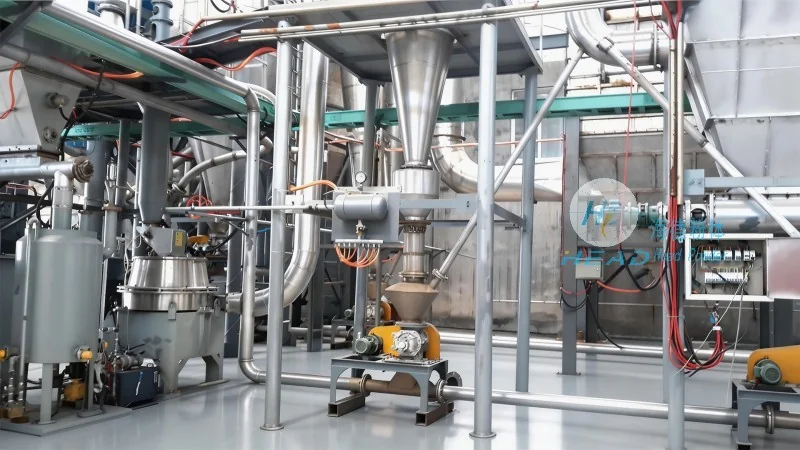
Ammonia fertilizer, typically in granular or powdery form, requires specialized handling due to its chemical properties and potential hazards. Pneumatic conveying systems utilize air to transport these materials, eliminating the need for mechanical components that might cause contamination or damage. The technology is widely adopted in fertilizer production, storage, and distribution, providing a flexible and cost-effective solution for moving bulk materials over short or long distances.
HeadPowder, a leading manufacturer based in Shandong, China, specializes in the design, manufacturing, and supply of advanced pneumatic conveying equipment. With years of experience in the industry, HeadPowder has developed a comprehensive range of solutions tailored to the unique demands of ammonia fertilizer handling. The company's commitment to quality, innovation, and customer satisfaction has established it as a trusted partner for businesses seeking reliable material handling solutions. HeadPowder's facilities in Shandong are equipped with state-of-the-art technology and skilled professionals who ensure that each product meets the highest standards of performance and durability.
Pneumatic conveying systems operate on the principle of using air pressure to move materials through a pipeline. There are two primary types of systems: positive pressure and negative pressure. Positive pressure systems use a blower to generate high-pressure air that pushes the material through the pipeline, while negative pressure systems create a vacuum that draws the material into the system. For ammonia fertilizer, positive pressure systems are often preferred due to their ability to handle abrasive and corrosive materials effectively.
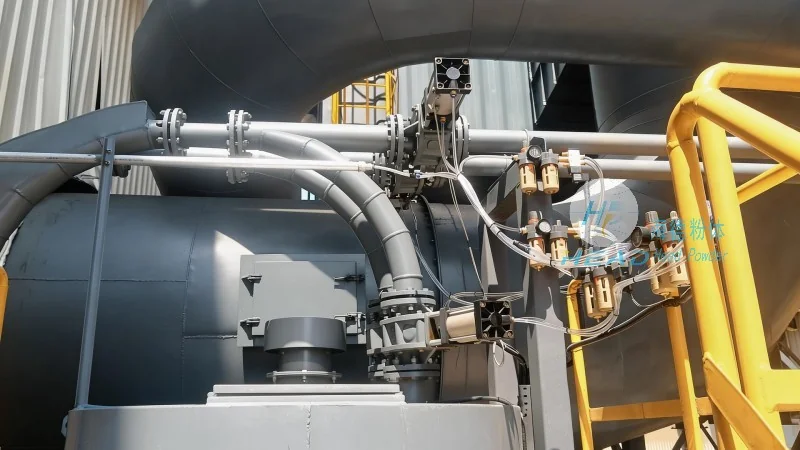
The process typically begins with the material being fed into a hopper or feeder, where it is then mixed with air in a venturi or a rotary airlock. The air and material mixture is then propelled through the pipeline to the discharge point. At the receiving end, the material is separated from the air using a cyclone or a filter, and the air is either recirculated or vented to the atmosphere. This continuous process ensures that ammonia fertilizer is transported efficiently and safely, minimizing the risk of spills or leaks.
Ammonia fertilizer pneumatic conveying equipment offers several distinct advantages that make it an ideal choice for industrial applications. One of the primary features is its high efficiency, as the system can transport large volumes of material with minimal energy consumption. The equipment is also highly flexible, allowing for changes in material flow rates and pipeline configurations without significant modifications. Additionally, pneumatic conveying systems are designed to be safe and environmentally friendly, as they eliminate the need for manual handling and reduce the risk of material exposure to personnel.
Another key feature is the equipment's durability and low maintenance requirements. HeadPowder's systems are constructed using high-quality materials that resist corrosion and wear, ensuring long-term performance. The design also incorporates easy access points for maintenance, reducing downtime and operational costs. Furthermore, the systems are equipped with advanced control mechanisms that allow for precise regulation of air pressure and material flow, enhancing overall operational control.
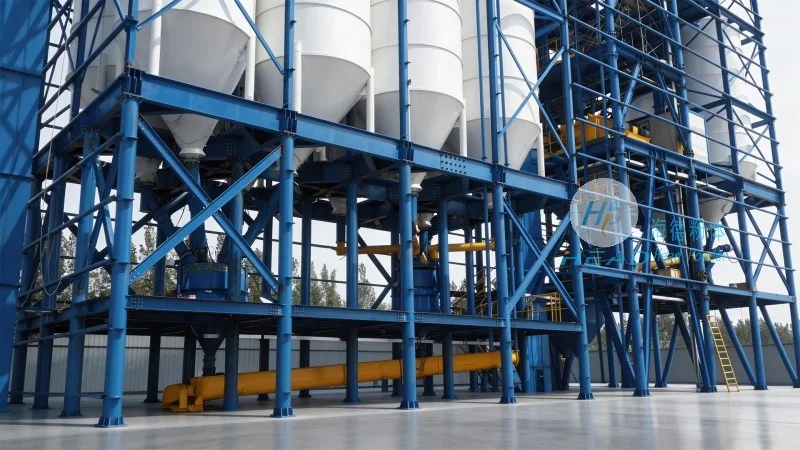
The effectiveness of ammonia fertilizer pneumatic conveying equipment is demonstrated in various industrial applications, including fertilizer production plants, storage facilities, and distribution centers. In these settings, the equipment is used to transport raw materials, process intermediates, and finished products, ensuring a smooth flow of operations. The systems are capable of handling different types of ammonia fertilizer, such as urea, ammonium nitrate, and ammonium sulfate, adapting to the specific characteristics of each material.
Performance metrics, such as material throughput and system efficiency, are critical in evaluating the effectiveness of pneumatic conveying systems. HeadPowder's equipment has been tested and proven to deliver consistent performance, with throughput rates that meet or exceed industry standards. The systems also contribute to improved safety in the workplace by reducing the need for manual handling of hazardous materials, thereby minimizing the risk of accidents and health issues.
Ammonia fertilizer material pneumatic conveying equipment, as developed by companies like HeadPowder, plays a vital role in modern agricultural and industrial operations. The working principle, which relies on air pressure to transport materials, combined with key features such as efficiency, safety, and durability, makes these systems indispensable for handling ammonia fertilizer. As technology advances, the industry is likely to see further innovations in pneumatic conveying systems, including more energy-efficient designs and advanced control systems. However, the core principles and benefits of these systems will remain relevant, ensuring their continued importance in the future of material handling.

 Shandong Headpowder Engineering Co., Ltd.
 156-6277-7102(Manager Zhang)
  0531-83386006
  Zhangqiu District, Jinan City, Shandong Province, China
telephone
WeChatconsult
top