With more than 10‑year industry experience, Shandong Headpowder delivers full‑service pneumatic‑conveying systems and blowers, undertaking nationwide turn‑key powder‑handling projects.
For industries dealing with spices and similar dry bulk materials, efficient and reliable material handling is crucial. Pneumatic conveying equipment has emerged as a key solution, offering a hygienic and flexible method to transport these products from one location to another. This article explores the working principle and key features of such equipment, with a focus on how it addresses the specific needs of spice processing and distribution, presented by Shandong HeadPowder Engineering Co., Ltd. (headpowder), a leading manufacturer based in China.
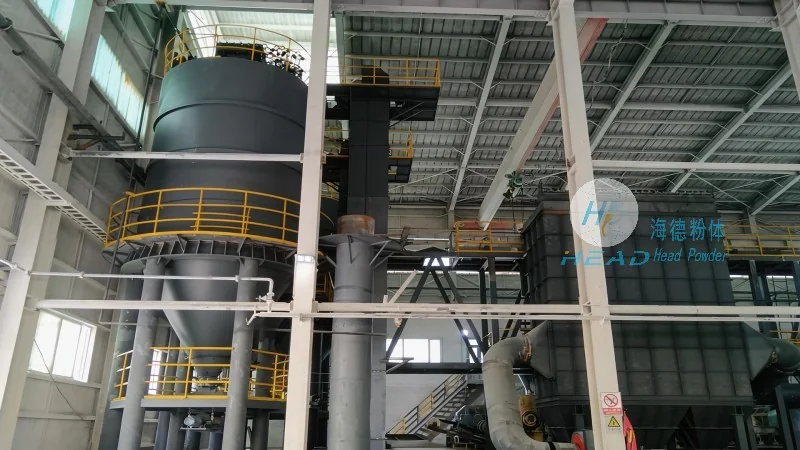
Pneumatic conveying systems operate by using air to move bulk materials through a pipeline. The fundamental principle involves creating a pressure differential or utilizing air flow to transport the material. There are two primary types of pneumatic conveying systems: aspiration (or vacuum) systems and pressure (or blow) systems. In aspiration systems, a vacuum is created at the material inlet to draw the product into the pipeline. This method is ideal for applications where the material needs to be transported over short distances or where the source is at a lower elevation than the destination. Conversely, pressure systems use compressed air to push the material through the pipeline, making them suitable for longer distances or when the material must be elevated to a higher level. The process typically involves a hopper or feeder that feeds the material into the conveying line, a filter to remove any fine particles from the air, and a discharge point where the material is released. The air, now mixed with the material, travels through the pipeline and is then separated from the product at the end of the system, often through a cyclone or a filter separator.
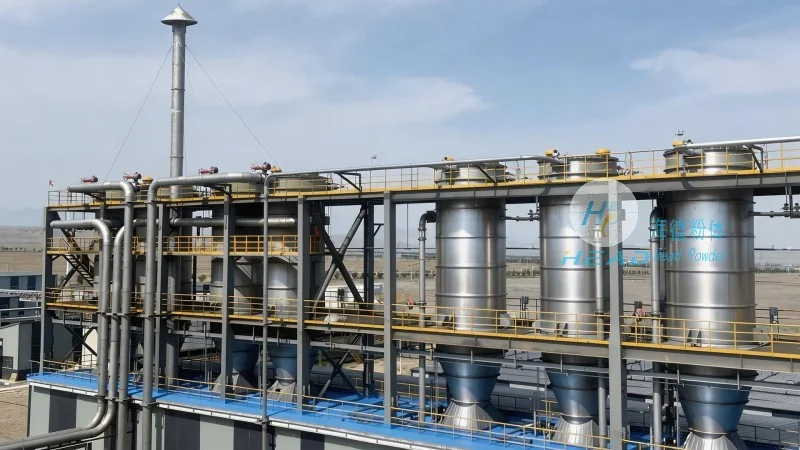
When applied to spices and other similar materials, pneumatic conveying equipment offers several distinct advantages that make it a preferred choice in the industry. First, it provides a hygienic and clean environment for handling food-grade products. Unlike mechanical systems that may involve direct contact with moving parts, pneumatic systems keep the material enclosed within the pipeline, minimizing the risk of contamination from external sources. This is particularly important for spices, which are sensitive to moisture, dust, and microbial growth. Second, the equipment is highly flexible and adaptable. It can be easily reconfigured to change the direction of material flow or to add additional conveying lines, allowing for dynamic adjustments in production processes. This flexibility is especially valuable in spice processing facilities where product lines may need to be modified or expanded over time. Third, pneumatic conveying offers high efficiency and low maintenance. The absence of moving parts in the conveying line reduces wear and tear, leading to lower maintenance costs and longer equipment lifespan. Additionally, the system can handle a wide range of material characteristics, including different particle sizes, densities, and flowability, without requiring significant modifications. For spices, which often vary in size and shape, this adaptability ensures consistent and reliable transport. Fourth, the equipment is energy-efficient compared to other bulk handling methods. By using air as the primary transport medium, it reduces the need for mechanical components that consume more energy. This not only lowers operational costs but also aligns with sustainability goals in the industry. Finally, pneumatic conveying systems are compact and space-saving. The pipeline design allows for the equipment to be installed in tight spaces, which is beneficial for facilities with limited floor area. This makes it an ideal solution for spice processing plants where space optimization is a priority.
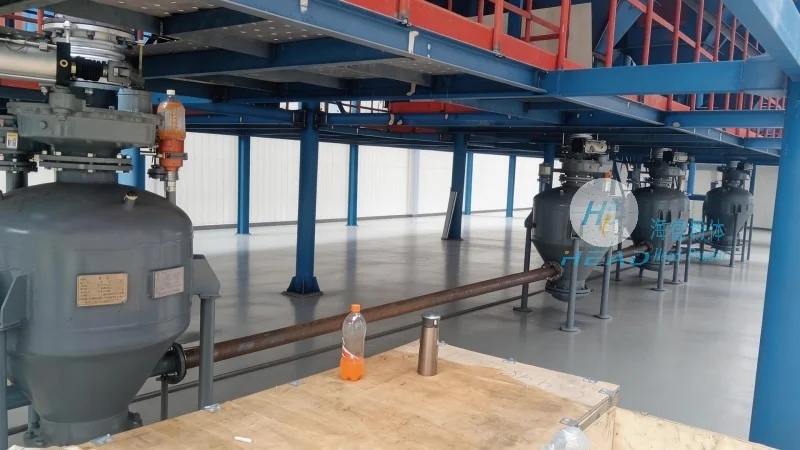
In the context of spice processing, pneumatic conveying equipment plays a vital role in streamlining the entire workflow. From raw material reception to packaging, the system ensures that spices are moved efficiently and safely. For instance, after the spices are received in bulk containers, they can be transferred directly into the conveying hopper using the equipment. This eliminates the need for manual handling, reducing labor costs and the risk of product damage. During the conveying process, the system can be integrated with other processing equipment, such as grinding or sorting machines, to create a seamless production line. The ability to transport spices over long distances without the need for intermediate storage points also improves inventory management, as materials can be moved directly from the storage area to the production line as needed. Furthermore, the hygienic design of the equipment helps maintain the quality and freshness of the spices, which is critical for meeting regulatory standards and consumer expectations. By integrating pneumatic conveying with other processing steps, spice manufacturers can achieve higher throughput and better product consistency, ultimately enhancing their competitiveness in the market.
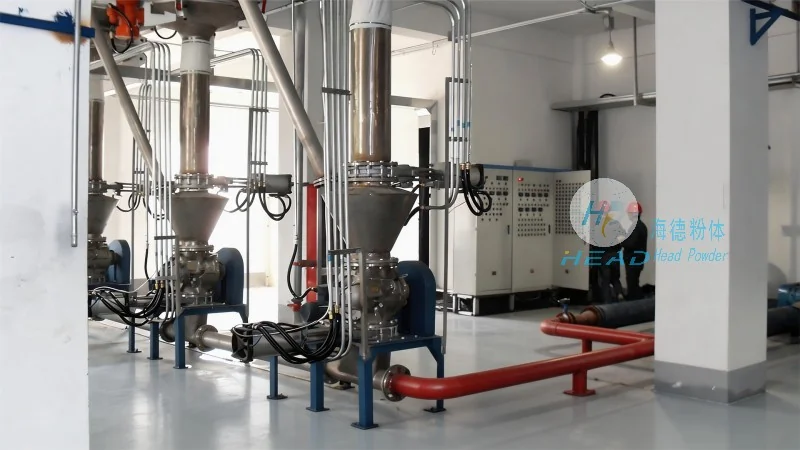
In conclusion, pneumatic conveying equipment is a sophisticated and versatile solution for handling spices and other dry bulk materials. Its working principle, based on air flow and pressure differentials, provides a reliable method for transporting products while maintaining their quality and integrity. The key features, including hygienic design, flexibility, efficiency, and energy savings, make it an attractive option for spice processing facilities. As the demand for high-quality spices continues to grow, the adoption of such equipment will likely increase, helping manufacturers meet the evolving needs of the industry. For businesses looking to enhance their material handling capabilities, pneumatic conveying systems offer a proven and effective solution that aligns with both operational and regulatory requirements.

 Shandong Headpowder Engineering Co., Ltd.
 156-6277-7102(Manager Zhang)
  0531-83386006
  Zhangqiu District, Jinan City, Shandong Province, China
telephone
WeChatconsult
top