With more than 10‑year industry experience, Shandong Headpowder delivers full‑service pneumatic‑conveying systems and blowers, undertaking nationwide turn‑key powder‑handling projects.
Yeast powder pneumatic conveying systems are advanced industrial equipment designed to transport dry powder materials, such as yeast, through a pressurized or vacuum air stream. These systems are widely used in the food and beverage industry, pharmaceuticals, and other sectors where handling fine powders requires precision and efficiency. The core of these systems lies in their ability to move powders without direct contact with mechanical components, which minimizes contamination and ensures product integrity.
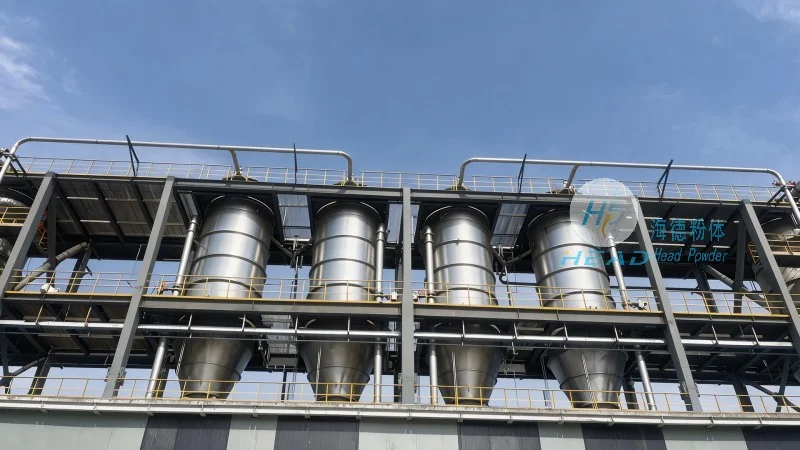
The operation of a yeast powder pneumatic conveying system typically involves several key components, including a material hopper, a conveying line, a blower or vacuum pump, and a receiver. The process begins when yeast powder is fed into the hopper from a storage silo or bulk container. A rotary valve or feeder then controls the flow of powder into the conveying line. Simultaneously, the blower generates a high-pressure air stream that travels through the pipeline, carrying the yeast particles along. The air-powder mixture is then directed to the receiver, where the air is separated from the powder, often using a cyclone separator or filter, and the yeast is collected in the receiver. The air is then either vented to the atmosphere or recycled back into the system, depending on the design and environmental requirements.
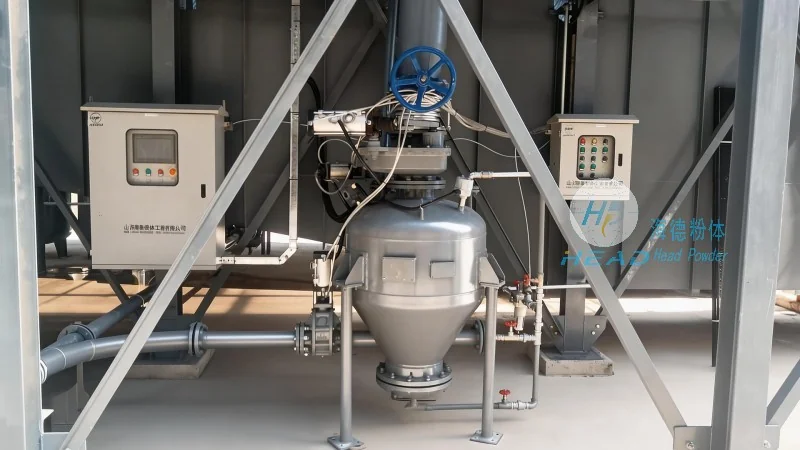
Yeast powder pneumatic conveying systems offer several advantages that make them ideal for handling sensitive and high-value materials like yeast. One of the primary features is the ability to transport powders in a closed system, which prevents dust contamination and protects the product from environmental factors. This is particularly important for yeast, which is used in fermentation processes and must remain free from contaminants to ensure consistent quality. Another significant feature is the gentle handling of the powder, as the air stream minimizes particle breakage and agglomeration, preserving the physical properties of the yeast. Additionally, these systems are highly flexible and can be configured for both short and long-distance transport, with options for horizontal, vertical, or combined horizontal-vertical conveying. The modular design allows for easy integration into existing production lines, and the systems can be scaled to accommodate varying production volumes. Furthermore, modern pneumatic conveying systems are equipped with advanced control systems that monitor pressure, flow, and material levels, ensuring optimal performance and preventing system failures.
When applied to yeast powder handling, pneumatic conveying systems provide unique benefits that enhance operational efficiency and product quality. For instance, the closed-loop design ensures that yeast remains in a controlled environment, reducing the risk of microbial contamination and maintaining its viability for fermentation. The gentle transport method also helps preserve the yeast's cell structure and enzymatic activity, which are critical for effective fermentation. In addition, the systems can be integrated with other processing equipment, such as mixers or reactors, to create a seamless production line. This integration reduces handling steps and minimizes the time yeast is exposed to air, further preserving its quality. The ability to handle both bulk and bagged yeast inputs also adds to the system's versatility, allowing for flexible material sourcing and processing. Overall, the use of pneumatic conveying systems for yeast powder transport contributes to higher product yields, lower waste, and improved process reliability.
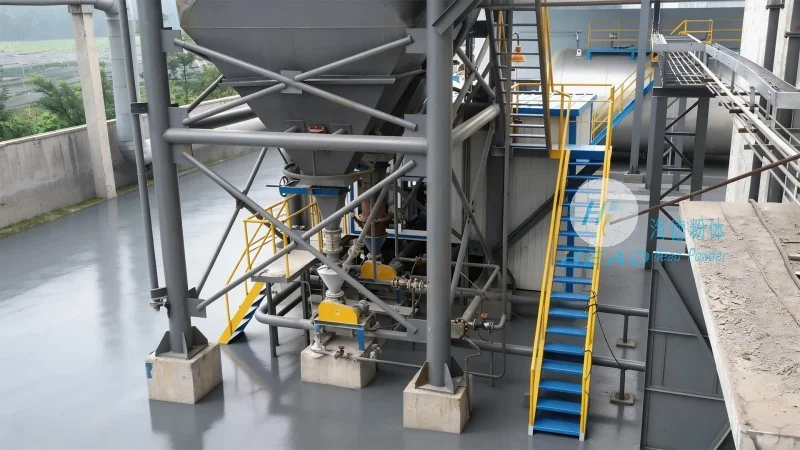
Implementing a yeast powder pneumatic conveying system requires careful consideration of several technical factors to ensure optimal performance and longevity. One of the most critical considerations is the selection of the appropriate conveying method, either pressure or vacuum, based on the distance and material characteristics. Pressure systems are typically used for longer distances and higher material flow rates, while vacuum systems are better suited for shorter distances or when the material needs to be drawn from a lower elevation. The choice of pipeline material is also important, as it must be resistant to corrosion and compatible with the yeast powder, often requiring stainless steel or food-grade plastics. Additionally, the system's air flow rate and pressure must be precisely controlled to maintain consistent conveying performance and prevent blockages or air leakage. Regular maintenance, including cleaning of the conveying line and filter, is essential to prevent clogging and ensure the system operates efficiently. By addressing these technical aspects, companies can maximize the efficiency and reliability of their yeast powder pneumatic conveying systems.

 Shandong Headpowder Engineering Co., Ltd.
 156-6277-7102(Manager Zhang)
  0531-83386006
  Zhangqiu District, Jinan City, Shandong Province, China
telephone
WeChatconsult
top