

Working Principle and Features of a Phosphate Sodium Powder Pneumatic Conveying System
Phosphate sodium powder pneumatic conveying systems are essential for efficient material handling in various industrial applications. These systems utilize air or gas to transport powders like phosphate sodium, offering a flexible and effective solution for moving bulk materials. The technology has evolved to meet the demands of modern manufacturing, providing reliable and efficient transport capabilities.
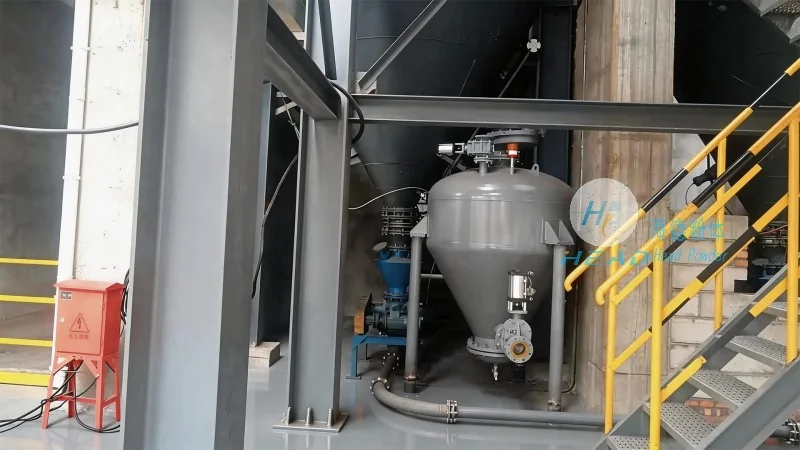
Overview of Phosphate Sodium Powder Pneumatic Conveying Systems
Phosphate sodium, a common industrial chemical, often requires specialized handling due to its properties. Pneumatic conveying systems are designed to address the challenges of transporting such powders, ensuring minimal dust generation, consistent flow, and efficient material transfer. The system typically consists of a hopper, a conveying line, and a receiver, all working in tandem to move the powder from the source to the destination.
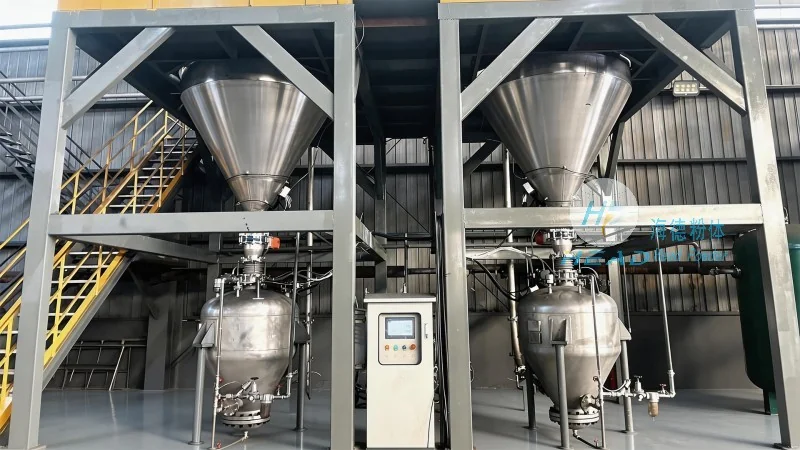
Working Principle of the Pneumatic Conveying System
The core mechanism of a phosphate sodium powder pneumatic conveying system involves the use of compressed air to create a flow that carries the powder particles. The process begins with the powder being fed into the hopper, where it is then drawn into the conveying line by the air flow. The air velocity is carefully controlled to ensure that the powder particles are entrained and transported without clogging or degradation. The system may use either positive pressure (where air is blown into the line) or negative pressure (where air is sucked out), depending on the application and distance of transport. The headpowder engineering team has optimized these systems to achieve high efficiency and reliability, ensuring that the phosphate sodium powder is transported safely and effectively.
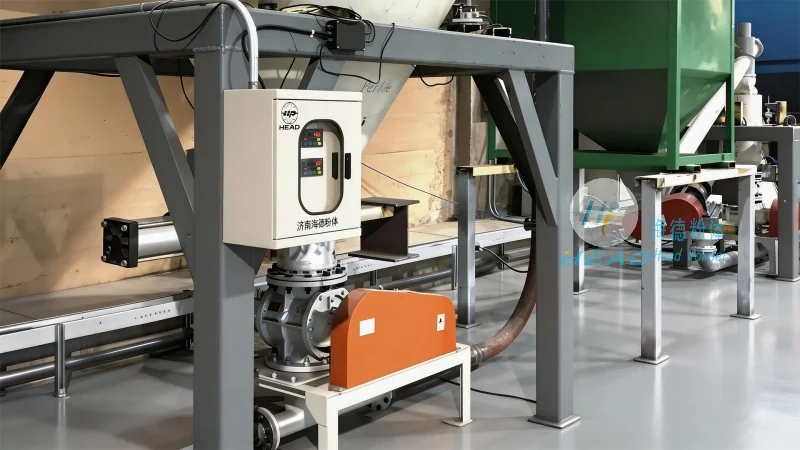
Key Features and Advantages
Phosphate sodium powder pneumatic conveying systems from Shandong HeadPowder Engineering Co., Ltd. offer several distinct features that enhance their performance and usability. One of the primary advantages is the ability to handle fine powders without significant dust generation, which is crucial for maintaining a clean and safe working environment. The systems are also designed for low maintenance, with components that are easy to access and replace, reducing downtime and operational costs. Additionally, the flexibility of pneumatic conveying allows for easy integration into existing production lines, adapting to different process requirements. The company's expertise in engineering ensures that each system is tailored to the specific needs of the client, providing customized solutions that maximize efficiency and minimize material loss.
Technical Specifications and Performance
Shandong HeadPowder Engineering Co., Ltd. provides pneumatic conveying systems with technical specifications tailored to the handling of phosphate sodium powder. The systems are engineered to handle various particle sizes and flow rates, ensuring consistent performance. The air pressure and flow rate are optimized to maintain the proper velocity for powder transport, preventing clogging and ensuring smooth operation. The company's systems are equipped with advanced control systems that monitor the conveying process, providing real-time data on flow rates and system performance. This allows for immediate adjustments to maintain optimal operation, enhancing the overall efficiency of the material handling process. The systems are also designed for durability, with high-quality materials and robust construction that can withstand the demands of continuous operation in industrial settings.
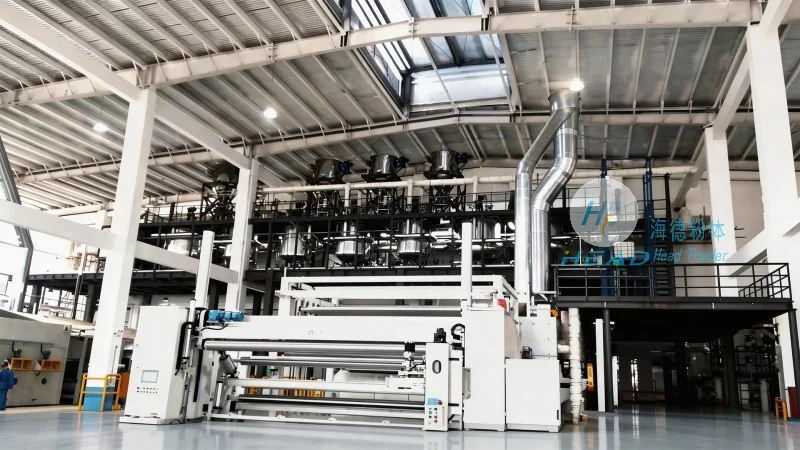
Application and Industry Use
Phosphate sodium powder pneumatic conveying systems are widely used in industries that require the handling of bulk powders, including chemical manufacturing, food processing, and pharmaceuticals. In chemical manufacturing, these systems are used to transport phosphate sodium for various production processes, ensuring that the material is delivered to reactors and processing units efficiently. In food processing, the systems help maintain hygiene and prevent contamination, as the enclosed design minimizes dust exposure. The systems are also used in pharmaceutical applications, where the precision and cleanliness of the conveying process are critical. The ability to handle fine powders without degradation makes these systems ideal for sensitive materials, ensuring that the quality of the product is maintained throughout the handling process.