With more than 10‑year industry experience, Shandong Headpowder delivers full‑service pneumatic‑conveying systems and blowers, undertaking nationwide turn‑key powder‑handling projects.
Sand transport is a critical operational component in numerous industries, ranging from construction and civil engineering to mining and port operations. The efficient movement of bulk materials like sand, gravel, and fine powders is essential for maintaining project timelines and ensuring operational continuity. However, handling these materials presents unique challenges, including abrasion, dust generation, and the need for continuous, reliable flow. As industries evolve towards more automated and environmentally conscious operations, the methods of transporting sand have shifted significantly. This article explores the various methods of sand transport, with a specific focus on the advanced pneumatic conveying technologies developed by Shandong Headpowder Engineering Co., Ltd., a leader in the field of bulk material handling.
Before modern pneumatic systems became prevalent, the industry relied heavily on traditional mechanical and hydraulic methods. Understanding these older techniques helps highlight the advantages of modern solutions.
1. Hydraulic Transportation: This method involves mixing sand with water and pumping the slurry through pipelines. While it is effective for moving large volumes over long distances, hydraulic transport has significant drawbacks. It requires substantial water resources, leading to high operational costs and environmental concerns regarding water discharge. Furthermore, the sand can settle in the pipes, causing blockages, and the abrasive nature of the slurry causes rapid wear and tear on pumping equipment.
2. Mechanical Conveying: This includes belt conveyors, screw conveyors, and bucket elevators. Belt conveyors are widely used for their simplicity and low maintenance requirements. However, they are susceptible to spillage, especially when handling fine sand, which can create dust clouds and safety hazards. Screw conveyors, while good for vertical or inclined transport, generate significant friction and heat, which can be problematic for certain types of sand. Both methods often require complex sealing mechanisms to prevent dust leakage, which adds to the complexity and cost of the system.
Given the limitations of traditional methods, the focus has shifted towards pneumatic conveying systems. These systems use pressurized air or vacuum to transport materials through enclosed pipelines. The primary benefits include complete sealing, which eliminates dust pollution, and the ability to transport materials over long distances with minimal equipment.
Shandong Headpowder Engineering Co., Ltd. has established itself as a premier provider of specialized **sand transport** and **sand pneumatic conveying** solutions. The company’s technology is designed to overcome the specific challenges associated with moving abrasive and non-abrasive bulk materials. Their systems are engineered for durability, efficiency, and environmental compliance.
Headpowder’s **sand pneumatic conveying** systems utilize a sophisticated blend of air and material to ensure a smooth flow. The process typically begins at the feeding station, where the material is introduced into a system of valves and hoppers. The system then uses a high-pressure blower or vacuum pump to create the necessary differential pressure to move the sand through the pipeline. This method is particularly effective for fine and granular materials, ensuring that the sand is transported without segregation or degradation.
One of the standout features of Headpowder’s engineering is the customization of the conveying loop. Whether the application requires a short-distance transfer within a factory or a long-distance haul across a construction site, the system can be tailored to the specific volume and pressure requirements. The company’s expertise ensures that the pipelines are optimized to prevent blockages, which are a common issue in pneumatic systems handling abrasive materials like sand.
While sand is a primary focus, the capabilities of Shandong Headpowder Engineering Co., Ltd. extend far beyond this single material. The company offers a broad spectrum of **material conveying** services. Their systems are versatile enough to handle powders, granules, and even small pellets.
The versatility of their **material conveying** systems lies in the adaptability of the components. From the type of valves used to the material of the pipelines, every aspect can be modified to suit the specific properties of the product being moved. For example, systems handling corrosive materials require different lining materials than those handling standard construction sand. Headpowder’s engineering team conducts thorough material analysis to design a system that maximizes throughput while minimizing energy consumption and wear.
Choosing the right partner for **sand transport** and **material conveying** is crucial for the long-term success of any project. Shandong Headpowder Engineering Co., Ltd. stands out due to its commitment to quality and innovation.
The company operates from its headquarters in Shandong, China, a region known for its robust manufacturing infrastructure and engineering talent. This strategic location allows Headpowder to maintain strict quality control over production and ensure timely delivery of projects worldwide. Their team of engineers possesses deep technical knowledge, allowing them to troubleshoot complex issues and provide ongoing support.
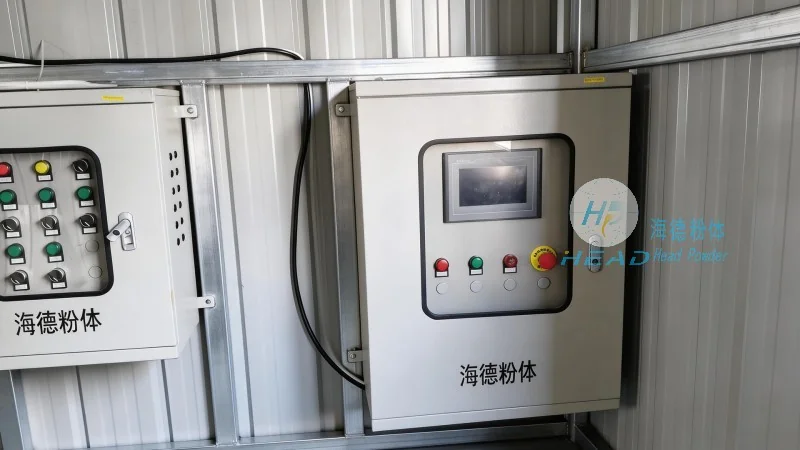
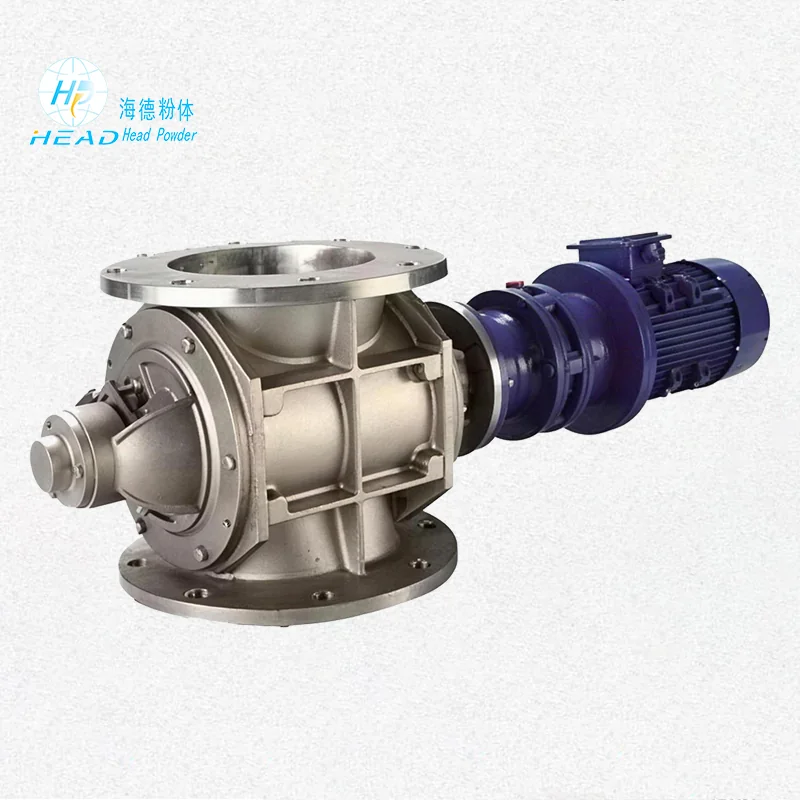
The **sand pneumatic conveying** systems offered by Headpowder are built with longevity in mind. The components, such as the feeding valves and separators, are constructed from high-grade materials that resist abrasion and corrosion. This reduces the frequency of maintenance and replacement, offering a lower total cost of ownership for the client. By integrating smart sensors and control systems, Headpowder also ensures that the conveying process is monitored in real-time, allowing for immediate adjustments to optimize performance.
In today’s regulatory environment, dust control is paramount. Traditional mechanical methods often struggle to contain fine particles, leading to environmental violations and health risks for workers. Headpowder’s pneumatic solutions provide a closed-loop system that captures dust at the source.
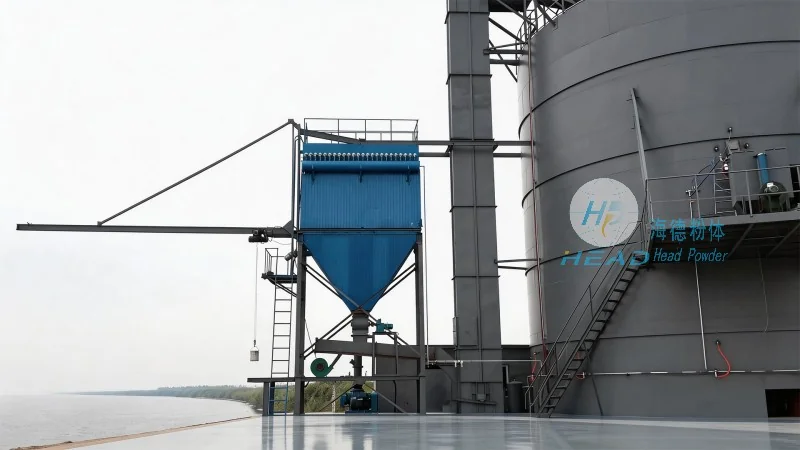
The **material conveying** process at Headpowder is designed to be energy-efficient. By optimizing the air-to-material ratio and using high-efficiency blowers, the systems consume less power while delivering superior performance. This efficiency not only reduces operational costs but also lowers the carbon footprint of the client’s operations. Whether it is a large-scale mining operation or a specialized construction site, Headpowder’s solutions align with global standards for environmental sustainability.
Shandong Headpowder Engineering Co., Ltd. believes that every project is unique. Therefore, they do not offer one-size-fits-all solutions. Their engineering team works closely with clients from the initial consultation phase through to installation and commissioning.
The process begins with a detailed site survey and material testing. This data is used to create a custom design that addresses the specific topography, capacity requirements, and material characteristics of the site. The design phase includes 3D modeling and simulation to predict potential bottlenecks or flow issues before the system is even built. This proactive approach minimizes risks and ensures a smooth transition to full-scale operation.
The evolution of **sand transport** and **material conveying** is driven by the need for efficiency, safety, and environmental responsibility. Shandong Headpowder Engineering Co., Ltd. has risen to meet these demands with state-of-the-art pneumatic conveying technologies. Their dedication to providing high-quality **sand pneumatic conveying** systems and comprehensive **material conveying** solutions makes them a trusted partner for industries worldwide. By leveraging their expertise and advanced engineering, clients can achieve seamless material handling that enhances productivity and meets rigorous industry standards.
If you are looking for a reliable and efficient solution for your bulk material handling needs, Shandong Headpowder Engineering Co., Ltd. is ready to assist you. Their team of experts is dedicated to providing tailored solutions that fit your specific operational requirements.
For more information regarding their **sand transport** and **sand pneumatic conveying** systems, or to discuss your specific **material conveying** project, please contact their management team. You can reach **Manager Zhang** directly for a consultation. To connect quickly via mobile messaging, please add **15662777102** on WeChat. Headpowder looks forward to helping you optimize your material handling processes.

 Shandong Headpowder Engineering Co., Ltd.
 156-6277-7102(Manager Zhang)
  0531-83386006
  Zhangqiu District, Jinan City, Shandong Province, China
telephone
WeChatconsult
top