

Working Principle and Features of Automatic Quantitative Pneumatic Conveying Equipment
Automatic quantitative pneumatic conveying equipment is a critical industrial device used for the efficient and precise transport of bulk materials across various sectors. This technology plays a pivotal role in modern manufacturing and processing, ensuring consistent material handling and enhanced operational efficiency. The following sections will explore the working principle and key characteristics of such equipment, offering a comprehensive overview of its functionality and benefits.
Company Information
HeadPowder, a leading manufacturer in the field, specializes in the design, development, and production of advanced pneumatic conveying systems. With a strong operational base in Shandong province, China, the company has established itself as a trusted provider of high-quality industrial solutions. The company's commitment to innovation and customer-centric service has enabled it to serve a wide array of industries, including food, pharmaceuticals, chemicals, and more.
Working Principle of Automatic Quantitative Pneumatic Conveying Equipment
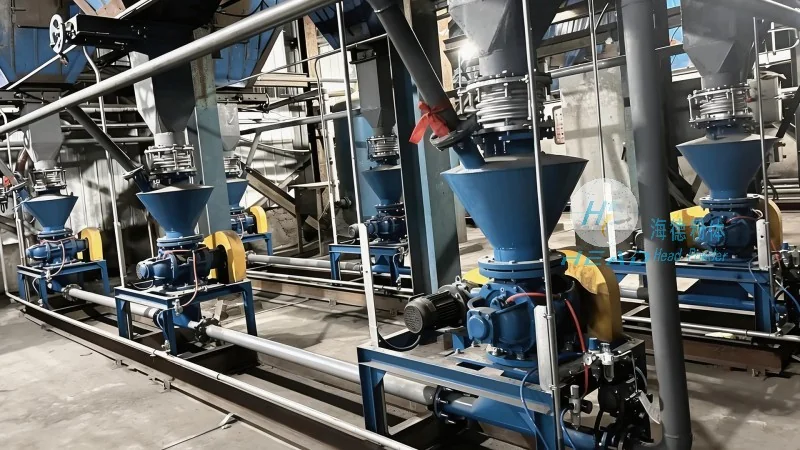
The core working principle of automatic quantitative pneumatic conveying equipment centers on the utilization of compressed air to transport bulk materials through a pipeline system. The process typically involves several interconnected components and steps that work in unison to achieve precise material handling. Initially, the material is fed into a hopper or feeder, where it is then metered and introduced into the conveying line. Compressed air, generated by a blower or compressor, is introduced into the pipeline, creating a flow that propels the material particles forward. The equipment is equipped with sensors and control mechanisms that regulate the air flow and material feed rate, ensuring that the conveying process is both efficient and accurate. This system allows for the continuous and controlled movement of materials from the source to the destination, minimizing downtime and maximizing productivity.
Key Features of Automatic Quantitative Pneumatic Conveying Equipment
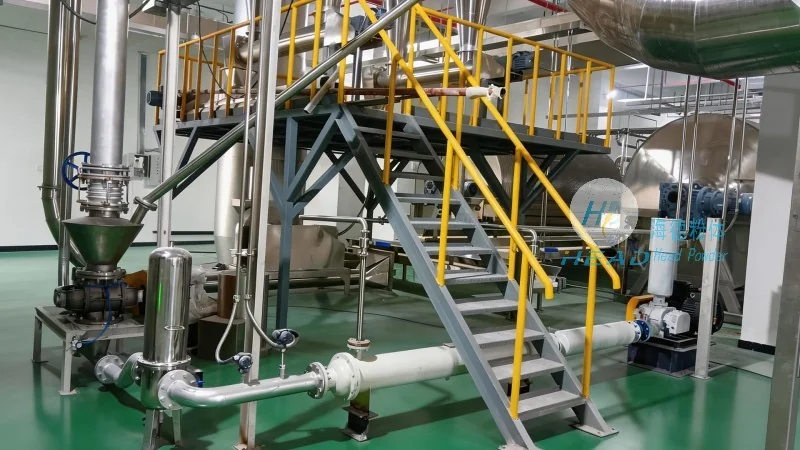
Automatic quantitative pneumatic conveying equipment offers several notable features that enhance its performance and usability in industrial applications. One of the primary features is its ability to handle a wide variety of bulk materials, including powders, granules, and fine particles. The equipment is designed to maintain the integrity of the material during transport, preventing degradation or contamination. Another key feature is the precise control over material flow, which is achieved through advanced metering and control systems. These systems ensure that the material is conveyed in consistent quantities, meeting the exact requirements of downstream processes. Additionally, the equipment is equipped with safety features and monitoring systems that provide real-time feedback on operational status, allowing for quick troubleshooting and maintenance. The compact design of the system also contributes to its space efficiency, making it suitable for installation in various industrial settings. Furthermore, the durability and reliability of the components, such as the blower, pipeline, and control valves, ensure long-term operation with minimal maintenance requirements.
Applications and Benefits
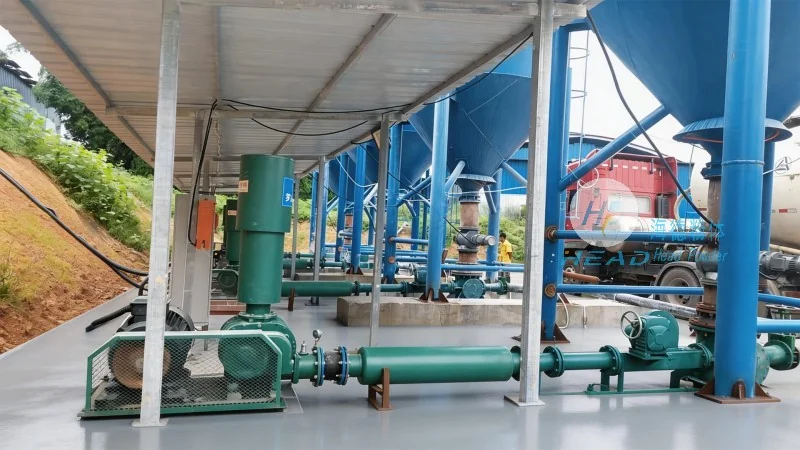
The automatic quantitative pneumatic conveying equipment developed by HeadPowder is widely utilized across various industries due to its versatility and efficiency. In the food industry, it is used for the transport of ingredients like flour, sugar, and spices, ensuring hygienic and accurate handling. In the pharmaceutical sector, the equipment is employed to convey active pharmaceutical ingredients (APIs) and other sensitive materials, maintaining strict quality and safety standards. The chemical industry also benefits from this technology, as it allows for the safe and controlled transport of powders and granules, reducing the risk of dust explosions and material contamination. The primary benefits of using this equipment include improved operational efficiency, reduced labor costs, enhanced product quality, and increased workplace safety. By automating the material handling process, companies can achieve higher throughput and better control over their production lines, leading to overall cost savings and improved competitiveness.
Conclusion
In conclusion, automatic quantitative pneumatic conveying equipment is a sophisticated and essential tool in modern industrial operations. The working principle, which relies on compressed air and precise control mechanisms, enables the efficient and accurate transport of bulk materials. The key features, including material versatility, precise flow control, and safety measures, make this equipment a reliable choice for various applications. HeadPowder, with its expertise and commitment to quality, provides high-performance solutions that meet the diverse needs of industries. By investing in such equipment, companies can enhance their operational efficiency, improve product quality, and ensure a safe working environment, ultimately contributing to their long-term success in the competitive market.